
Reviewed · SYRACUSE & ORTIGIA TOURS
Cooking class at a Cesarina’s home with tasting in Siracusa
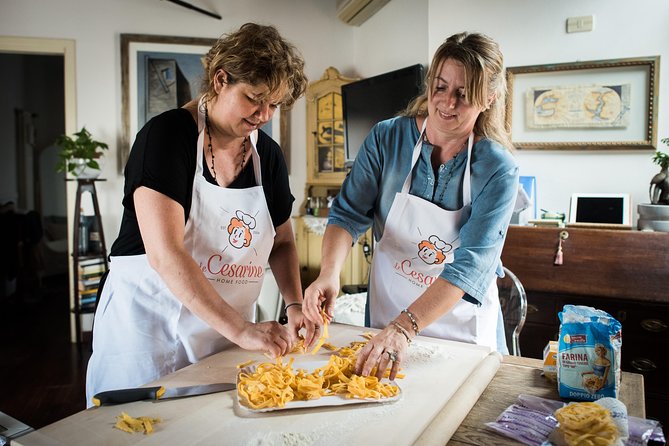
A Syracuse cooking class feels personal fast. You are in a Cesarina home learning Siracusa favorites, not in a crowded demo room. The payoff is simple, you cook, then you eat what you made with a glass of local wine.
I especially like the focus on three regional dishes using fresh, seasonal produce. I also like that it is truly private, so your host can slow down for you and keep an eye on how the dough, sauce, and timing are going.
One possible drawback is that the exact experience can vary by host. Since the class is in a real home kitchen, things like apartment layout, parking, and how hands-on each dish feels can be hit-or-miss.
Key things to know before you go
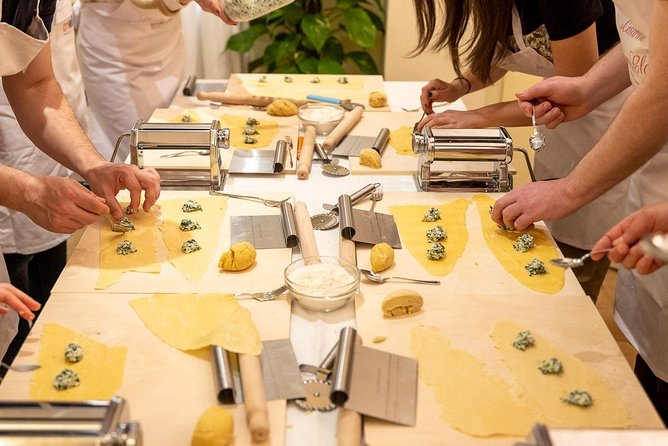
- Private class in a local home: only your group participates, so you get real attention instead of queueing for ingredients.
- Three dishes, not a snack tour: you learn a starter, a regional pasta, and a typical Sicilian dessert.
- Seasonal produce is part of the point: the menu is designed around what is fresh, so flavors tend to taste less “generic.”
- Wine tasting happens while you relax: you finish with a glass of local wine paired with your meal.
- English instruction is included: the class is offered in English, with communication handled by your host and tools if needed.
- Sanitary rules are built in: your host provides essentials like sanitizing gel and paper towels, plus distance guidance.
A Cesarina kitchen in Syracuse, where the lesson happens at home
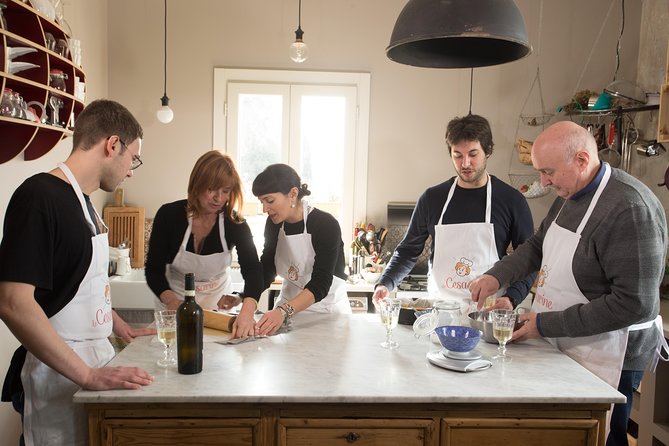
This is a private cooking class in Syracuse with a Cesarina, meaning you cook with a local woman in her own home. That difference matters. A home kitchen has real constraints, real rhythms, and less performance pressure than a studio. It also feels more like you are being welcomed into daily life.
You start in central Syracuse, and the activity ends back at the meeting point. That makes the timing easier to plug into a day of ruins, beaches, and gelato stops. It is also near public transportation, so you are not forced into a taxi plan.
The best part is the human scale. Several hosts in this style of experience lean into warm, family energy, like welcoming you into a kitchen where people actually cook and talk while they work. In one class setup, the host used Google Translate to bridge language gaps, and the cooking still moved smoothly. In another, the host was supported by family members who helped with explanation and timing.
You can also read our reviews of more food & drink experiences in Syracuse


What you cook: seasonal starter, Siracusan pasta, and an almond-style dessert
Your class is built around learning three dishes tied to Syracuse and wider Sicilian tastes. The sample menu is straightforward:
- Starter: seasonal starter
- Main: pasta in the Syracuse style, such as Pasta alla Siracusana or Pasta alla Carrittera (or a similar regional pasta)
- Dessert: typical dessert, often almond paste style (or something similar)
Here is how that helps you as a traveler. You are not just making one item you can fake at home. You learn how a Sicilian meal is structured: something fresh to start, pasta as the main event, then a sweet finish that fits the region.
In the pasta portion, the big skill is technique. Even if you think pasta is intimidating, most hosts guide the dough and rolling steps in a way that makes the process feel reachable. Many cooking-class highlights in this area come from learning to roll, cut, and shape pasta with your own hands, then taste the results right away.
For the dessert, expect something comforting and distinctly Sicilian in spirit, with almond paste often showing up as the base. Almond and citrus flavors are a common Sicilian sweet logic, and that is exactly the kind of flavor map you want when you are traveling.
Quick practical note: your exact ingredients and sauce details can vary by host and by what is fresh. That is normal for a home-based class. If you care a lot about a specific ingredient being 100 percent homemade, ask your host what is made on-site versus prepared ahead.
The 3-hour flow: welcome bites, cooking time, and wine tasting
The class runs about 3 hours. That is long enough to actually work through dough and sauce, and short enough to keep your afternoon from turning into a full travel day washout.
Most classes of this type follow a similar cadence:
1) You arrive and get settled, often with an initial welcome snack or antipasti spread.
2) You move into cooking instruction, typically starting with the pasta and then connecting it to the meal components.
3) You taste what you made, usually with wine set alongside the meal.
The wine part is not just a line in the description. It changes the vibe. You can expect a slower, more social table moment once your cooking is done. That is when you get the real value of the experience, because you are eating the meal you understand.
Also, because it is private, you can ask “why” questions. If you wonder about texture, timing, or flavor balance, this format gives you more room than a restaurant meal where the only instruction is fork placement.
Why the host matters, and what that attention looks like
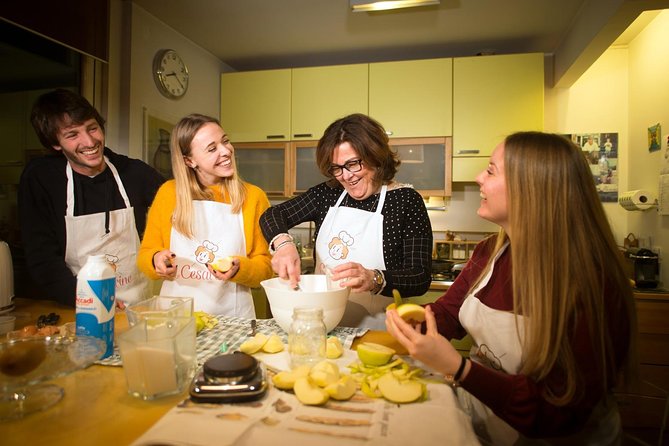
In a good cooking class, the food is important. In a great one, the host makes the food make sense. This is where the praise for Cesarina-style classes is strongest.
You will likely get a lot of undivided attention from your host throughout. That shows up in small ways: they correct your dough thickness, adjust your technique, and explain what to watch for in texture and heat. In one experience, the host taught several pasta varieties and expanded the plan when guests were enthusiastic. In another, the host kept the pacing friendly and used tools like Google Translate to make steps clear even with an English level that was still forming.
Some hosts also bring the meal context, like herbs from a garden, or family stories that connect the dish to Sicilian daily life. Even when the conversation is partly in broken English and Italian, the kitchen becomes the shared language. You end up learning without feeling like you are studying.
One thing to keep expectations realistic: English instruction is offered, but kitchen cooking relies on demonstration. If you prefer a strict classroom style, this home approach might feel a bit more relaxed and conversational. That is often part of the charm, but it is worth knowing up front.
Price and value at $174.69 per person: what you are truly paying for
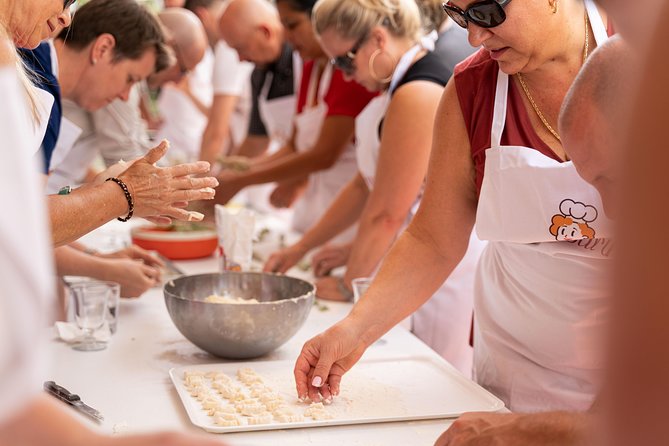
At $174.69 per person, this class costs like a nicer dinner plus a lesson. The big question is whether it feels worth it to you.
Here is where the value math usually works:
- You get a private class, not a shared group where your time is split.
- You learn technique that is hard to pick up from a single restaurant visit.
- You leave with a full meal, plus wine.
If you are the type who remembers trips through food you can recreate, the price can make sense. You are buying more than ingredients. You are buying step-by-step guidance in a specific regional style. Even the “simple” skill of making pasta dough and handling it correctly tends to stick when you practice it in a real kitchen with immediate feedback.
That said, you should consider what you want out of the experience. One guest felt the class was too expensive for the level of hands-on cooking and detail they expected, including disappointment with something they believed was not prepared from scratch. Another issue raised was difficulty with parking near the apartment, plus recipe delivery that did not work as promised. These are not reasons to avoid the class, but they are good reminders that home-based experiences can vary by setup and host workflow.
My practical advice: before you book, decide what matters most. If you want maximum hands-on cooking and deep explanation, consider choosing a time when you can arrive relaxed and be fully present. If you want a restaurant-style meal with no teaching intensity, this probably will not match your goal.
You can also read our reviews of more cooking classes in Syracuse
Logistics in Syracuse: meeting point, transport, and the real-home factor
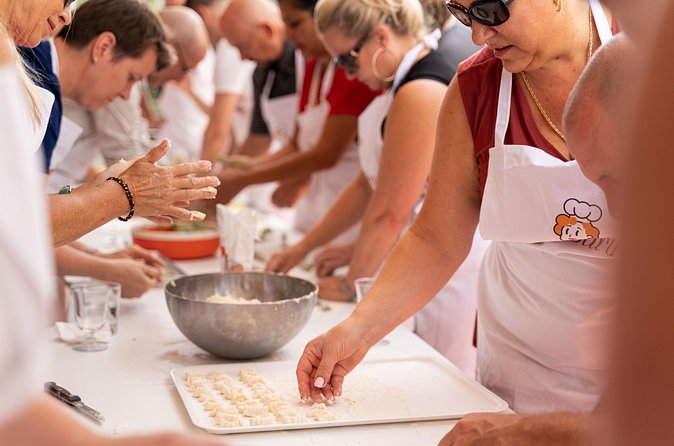
You meet in Syracuse, and the experience ends back at the meeting point. The tour is near public transportation, which is a relief in a city where parking can be annoying.
In practice, some home locations can mean tight streets or limited nearby parking. If you drive, plan for a short buffer to find parking, and do not assume the closest spot will be available. If you are using transit, you are in better shape since the start area is near public transportation.
Clothing is worth thinking about. You are rolling dough, shaping pasta, and handling hot items. Wear something comfortable, and consider something with sleeves you do not mind getting flour on. A small bag for essentials also helps, since you are eating right after cooking and you want your phone, wallet, and water bottle handled without chaos.
Finally, arrive a few minutes early if you can. In one case, an early arrival still got accommodated with refreshments, and that kind of flexibility is common when hosts are managing flow gently.
Sanitary care and the 1-meter rule in a home kitchen
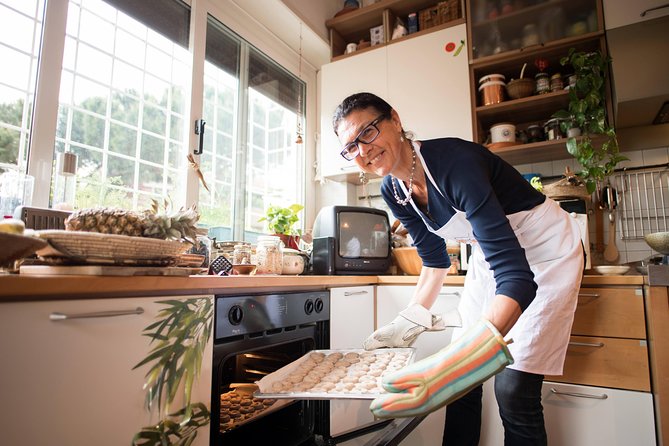
Because this takes place in a home, you should expect basic sanitary care and space guidelines. Your host provides the essentials like paper towels for washing hands and hand sanitizing gel. The guidance includes maintaining 1 meter distance when possible, and wearing masks and gloves if distance cannot be maintained.
This is not just paperwork. It also affects how your kitchen space feels. Small homes mean less room to stretch out, so your host may adjust where you stand and how you move through prep areas.
If you are sensitive about hygiene, you will probably appreciate that the materials are provided. And if you are flexible, you will likely find the whole thing runs smoothly because the rules are built into the home rhythm.
Who this is best for in Syracuse
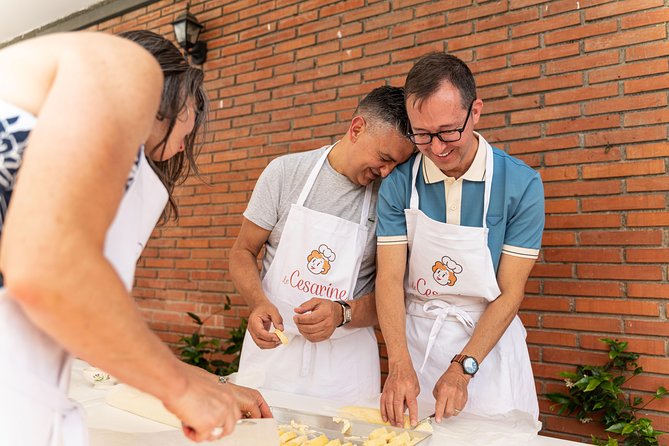
This class works well for:
- Couples or small friend groups who want a shared activity with a real endpoint, dinner.
- Food lovers who prefer hands-on technique over sitting and watching.
- People who can be nervous about cooking. Step-by-step guidance tends to make it feel doable, even if you are not confident in the kitchen.
It is also great for travelers who want something more authentic than a standard restaurant meal. The home setting creates natural conversation, and you get to see how Sicilians actually cook at home, not how a show kitchen stages cooking.
If you are visiting Syracuse for history and want one day that tastes like Sicily instead of just seeing it, this fits that mood perfectly. You might even be able to plan your ruins time and this class back-to-back, since the class is in Syracuse and ends where you started.
Should you book this Cesarina cooking class in Syracuse?
Book it if you want a private, local-home cooking experience focused on three Sicilian dishes, with instruction in English and a real meal plus wine at the end. If you care about learning technique you can repeat, this is exactly the type of activity that turns travel memories into skills.
Hold off or ask more questions if your main goal is a very structured classroom lesson where every component is guaranteed to be cooked and explained in exactly the same way. Because it is host-dependent, the level of hands-on cooking and the way ingredients are prepared can vary.
For most people, though, the deal-breaker is whether you like being in the kitchen, not whether you enjoy restaurants. If you do, you will likely find this a standout Syracuse experience, the kind where the table feels like part of the lesson, not the finish line.
FAQ
How long is the cooking class in Syracuse?
The cooking class lasts about 3 hours.
Is this cooking class private?
Yes. It is a private tour or activity, so only your group participates.
What language is the class taught in?
The class is offered in English.
What dishes are included?
You will learn three regional dishes using fresh, seasonal produce. The sample menu includes a seasonal starter, a regional pasta (like Pasta alla Siracusana or Pasta alla Carrittera or similar), and a typical dessert (like almond paste or similar).
Where do we meet, and does it return to the same place?
The experience starts in Syracuse and ends back at the meeting point.
Is there free cancellation?
Yes. You can cancel for a full refund up to 24 hours in advance. Cancellation is free if you cancel at least 24 hours before the experience’s start time.
More Cooking Classes in Syracuse
More Food & Drink Experiences in Syracuse

More Tour Reviews in Syracuse






Not for you? Here's more nearby things to do in Syracuse we have reviewed










Syracuse & Ortigia Tours, compared.
 ★ 4.7Syracuse: Boat Trip of Ortigia Island and Sea CavesFrom $23937 reviews
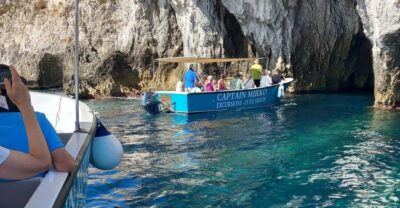 ★ 4.7Syracuse: Boat Tour with Captain Mirko, Snorkeling & CavesFrom $35746 reviews
 ★ 5.0Tour of the island of Ortigia and exploration of sea caves with baths.From $24668 reviews
 ★ 4.7Siracusa: Ortigia Boat Tour with Marine GrottoFrom $45617 reviews
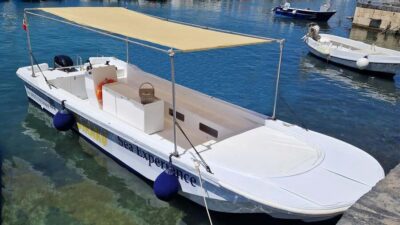 ★ 4.9Siracusa: Ortigia & Sea Caves Speedboat Tour with Swim StopFrom $34499 reviews
 ★ 5.0Boat tour of Ortigia Island and sea cavesFrom $24407 reviews
 ★ 4.6Catania: Syracuse, Ortigia, and Noto Tour with BrunchFrom $112404 reviews
 ★ 4.7Syracuse: Neapolis Archaeological Park Small Group TourFrom $26350 reviews
Browse the lists this tour appears in