
Etna feels close enough to touch. This guided trek takes you over black lava deserts, past summit craters, and toward jaw-dropping viewpoints, with a naturalist guide doing the explaining as you walk. You start from Catania and work your way up toward higher volcanic ground, around 2,000 m and beyond.
I especially like two things. First, you get real guidance from the field, with a guide such as Alessandro (noted for being friendly, passionate, and easy to follow in English) who adjusts to the group’s pace. Second, you get to run downhill on black lava sand, which turns a serious volcano day into something a lot more fun than it sounds. That lava footing is also what makes the experience feel so immediate.
One consideration: this is a physical hike. You’ll cover about 6 km on steep volcanic terrain, and you climb from roughly 1,800 m up to around 2,400 m, so it is not a casual outing. Altitude plus steep ground matters, and the tour is not for everyone.
Key highlights at a glance
- Small group (up to 10 people) keeps the pace human and the guide talk clearer
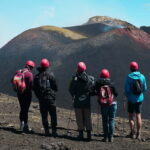
- Gear included: jackets, hiking shoes, and hiking poles (no last-minute shopping)
- About 3.5 hours of guided hiking from roughly 1,800 m to around 2,400 m
- Lunch at 2,400 m in the middle of volcanic silence
- Lava tunnel visit when conditions allow, with route changes for safety
- Silvestri Craters and Valle del Bove views plus distant sights toward Calabria and the Ionian Coast
How the Catania pickup sets you up for Etna
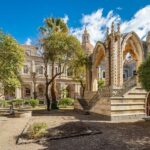
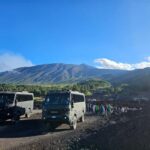
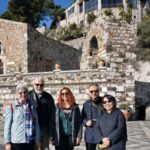
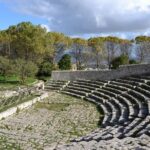
This is built as a proper day trip from Catania, and that matters because Etna logistics can eat up your time. Your day begins with pickup from one of two meeting points, then you head out together before you start hiking. Depending on the option you choose, your start can be at Anfiteatro Romano di Catania or at Bar Ristorante Crateri Silvestri, which makes it easier to match your plans in town.
The tour is designed to be “leave the thinking to the guide.” That means fewer moving parts for you, and more time for the actual volcano experience. You also get a true turnaround, since the tour ends back at your original meeting point.
You’re not just being transported. You’re being positioned. Getting to Etna with a guide and a plan helps you avoid the common problem of showing up at the mountain and spending an hour figuring out where to go and how to get set up.
You can also read our reviews of more guided tours in Catania

Your volcano day: gear, timing, and group size
The total day runs about 7 hours, but the hiking effort is shorter and focused. Expect around 3.5 hours of guided hiking time, plus breaks and lunch. In practice, that balance works well: you get meaningful time on the volcanic terrain without burning out before you even reach the best crater views.
Small group size, limited to 10 participants, is one of the reasons I’d take this approach over a bigger group. With a guide keeping an eye on spacing and footing, you spend less time waiting and more time moving. It also tends to make it easier to ask questions while you’re standing on something that looks like another planet.
The included gear is a big part of the value. You don’t need to show up with the right footwear and extra layers figured out. Jackets, hiking shoes, and hiking poles are provided, and that removes two headaches:
- Renting boots on the fly
- Trying to guess what temperatures will feel like at elevation
Also, you’ll want to bring your own socks and personal comfort items, since socks are not included. And please note what is not allowed: sandals or flip-flops, luggage or large bags, and baby strollers.
From 1,800 m to 2,400 m, the 6 km volcanic loop
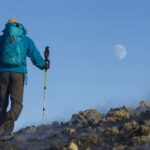
Here’s the hiking reality, straight and useful. You walk on volcanic material for about 6 kilometers along a steep loop with a roughly 500-meter ascent or steep gain. It is not flat walking. The footing is black lava sand and rocks, and that means you’ll feel it in your calves and ankles, especially on the steeper bits.
Your climb generally goes from around 1,800 m up to about 2,400 m. The day is paced so you get higher gradually, which matters for breathing and comfort at elevation. At the top, you take a lunch break at about 2,400 m, in an environment that feels strangely quiet, with the sounds of the volcano itself part of the day’s background.
You also get the “kid again” moment. After you’ve earned the views, you’ll run downhill on the black lava sands. That’s not just a thrill. It helps you understand the terrain: lava sand moves differently than normal dirt, and it makes the landscape feel alive under your feet.
Practical takeaway: wear shoes that you trust and use the trekking poles. Even with included poles, the technique is yours. Short steps, steady cadence, and eyes on your footing will make this easier fast.
If winter weather adds snowfall, the hiking itinerary may shift. That’s common on Etna and it’s better than pretending conditions won’t affect routes.
Lava tunnels and what you learn from a naturalist guide
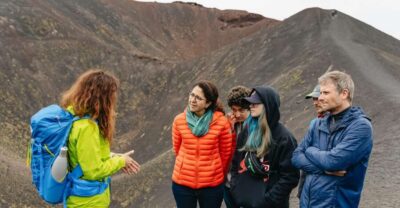
This tour is guided in the best sense: you learn because you’re seeing the evidence. The guide talks about the fauna, flora, and geology around Mount Etna as you move through the lava fields and crater areas. You’re not just being shown views, you’re being taught how to read what you’re standing on.
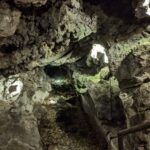
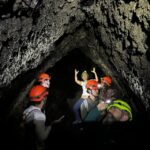
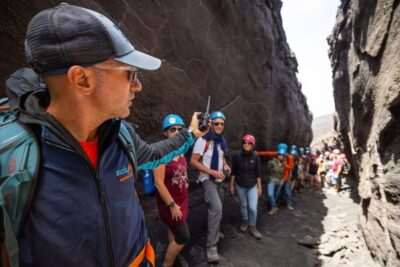
A key moment is the visit to a small lava cave or lava tunnel. You walk in the middle of black lava rocks and craters, which makes the volcano feel physical, not abstract. The tour also comes with built-in safety flexibility: if there are strong tremors and eruptions, it will not be possible to visit the lava cave, even if the eruption has ended. That is the sort of rule that keeps you safe and keeps the day from turning into a risky scramble.
Why I like the cave-and-tunnel angle: it explains the volcano as a system. Lava doesn’t just explode. It flows, cools, and leaves behind cavities and pathways. When your guide points out how these formations form, the hike becomes more than scenery. It turns into a living geology lesson with your boots on the diagrams.
And if you get Alessandro as your guide, you’re likely to appreciate how he’s described: friendly, passionate, and able to explain things clearly in English even with an average level of English. The guide also adapts to the level of the group, which is important when some people are more comfortable on steep ground than others.
Silvestri Craters, Valle del Bove, and big views
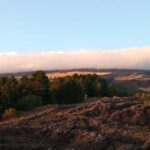
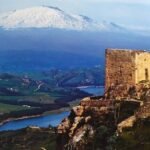
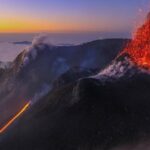
The best part of Etna is not one single photo spot. It’s how the views open up as you rise and as the terrain changes. On this trek, you’re aiming for views of Silvestri Craters, Valle del Bove, and wider horizons that can stretch toward Calabria and the Ionian Coast.
Silvestri Craters bring color and shape to the day. The contrast between black lava and lighter crater areas makes it easier to see how the mountain’s surfaces have been rebuilt by different volcanic events. Valle del Bove has that large cauldron-like look, and from the right angle it helps you visualize the scale of volcanic collapse and reformation.
One more thing you should expect: a sense of silence. Lunch at 2,400 m puts you high enough that the usual noise of travel drops away. That quiet, mixed with the sounds related to the volcano, is part of the emotional impact of this hike.
Also, remember: this is a walking day. If you’re expecting a long cable car view, that is not how the tour is built. A cable car ride is not included, so you should plan on earning elevation with your own legs.
You can also read our reviews of more hiking tours in Catania

Fitness, safety, and who should avoid this trek
This is the section that helps you decide quickly. The tour asks for a basic level of physical fitness, and it is not suitable for:
- Children under 10
- Pregnant women
- People with heart problems
- People with vertigo
- People with respiratory issues
- People with altitude sickness
- People over 70
If any of those apply, skip this one. Not because it’s too hard emotionally, but because the terrain, the elevation, and the safety rules around caves and volcanic activity are not built for those risk factors.
Even if you’re generally fit, be honest about your legs. The steep loop and 6 km on lava terrain are the real test. You’ll likely want to arrive with energy, not after a sleepless night or a heavy day of touring in Catania.
And if you have vertigo, the combination of altitude, crater viewpoints, and rocky footing is exactly what you do not want. Use caution with heights even if you think you are fine. On Etna, footing uncertainty is part of the mental load.
What it costs, what you get, and what to pack
At about $62.63 per person, the pricing makes sense because the tour includes more than a guide. You’re also getting pickup and drop-off, plus the hiking kit that usually costs time and money to arrange yourself. Jackets, hiking shoes, and hiking poles remove two big barriers to entry.
What you pay for is also what you actually use during the day. The guide provides route leadership, geology explanations, and help managing pace in a steep environment. Lunch is built into the schedule at around 2,400 m, even though food and drinks are not included. You’ll want a plan for meals and water.
Before the hike, sandwiches are available for sale. You should also bring your own food and drinks if you prefer your own choices. Either way, bring a daypack. Sunscreen, sunglasses, and a sun hat are not optional on black lava. It can feel hotter than you expect because of how the terrain absorbs and holds heat.
What to pack, based on what the day requires:
- Comfortable clothes for warm conditions and layers for cooler high ground
- Sunglasses and sunscreen
- A sun hat
- Food and drinks
- A daypack
And a reminder for footwear rules: no sandals or flip-flops.
One last note: socks are not included. Plan to wear your own socks with the provided shoes so your feet stay comfortable.
Should you book this Mount Etna panoramic hike?
I think you should book if you want Etna in a way that is active but not chaotic. This tour gives you a small-group experience, included gear, a guided geology story, and time at higher elevation for views toward Silvestri Craters and Valle del Bove. The included jackets, hiking shoes, and poles alone make it easier to travel light and focus on the hike.
I’d skip it if you hate steep ground, have vertigo or altitude concerns, or you’re dealing with heart, respiratory, or similar health issues. Also skip if you want a purely scenic, low-effort experience. This is a 6 km volcanic loop with real elevation and volcanic footing.
If you’re ready for a hands-on volcano day, this is a solid bet. You end up with more than photos. You leave with an understanding of the mountain, and with legs that still remember the black lava sand.
FAQ
What is the duration of the Mount Etna guided panoramic trek?
The total duration is listed as 7 hours, with about 3.5 hours of guided hiking on Mount Etna.
How long is the walk on volcanic material?
The walk on volcanic material is about 6 kilometers along a steep loop hike with roughly 500 meters of steepness.
Are jackets, hiking shoes, and hiking poles included?
Yes. Jackets, hiking shoes, and hiking poles are included with the tour.
Is food included in the price?
Food and drinks are not included. Sandwiches may be available for sale before the hike, and lunch is scheduled around 2,400 meters.
Where do I get picked up and dropped off?
Pickup and drop-off locations can vary by option, including Anfiteatro Romano di Catania and Bar Ristorante Crateri Silvestri.
Can I get a refund if my plans change?
Free cancellation is available up to 24 hours in advance for a full refund.
More Hiking & Trekking Tours in Catania
More Guided Tours in Catania

More Tour Reviews in Catania

Not for you? Here's more nearby things to do in Catania we have reviewed
Mount Etna Volcano Tours, compared.
 ★ 4.8Catania: Mount Etna Morning or Sunset Day Trip with TastingFrom $704,028 reviews
 ★ 4.7Mount Etna: Guided Volcano Summit Hiking Tour with Cable CarFrom $1243,784 reviews
 ★ 4.8Catania: Sunset Jeep Tour of Mount Etna and Lava Flow CavesFrom $712,113 reviews
 ★ 4.7Mount Etna: Trek to 3000m with cable car and jeepFrom $621,978 reviews
 ★ 4.8Mount Etna: Summit Crater Trek with Cable CarFrom $771,875 reviews
 ★ 4.8Etna and Alcantara Gorges Full-Day Tour with LunchFrom $1051,766 reviews
 ★ 4.3Mount Etna: Roundtrip Cable Car and 4×4 Bus TicketFrom $971,602 reviews
 ★ 4.7Etna Volcano: South Side Guided Summit HikeFrom $671,545 reviews
Browse the lists this tour appears in