
Reviewed · HIKING & TREKKING
Hike near the summit craters up to the maximum safe altitude currently foreseen
Etna craters, hiked to the safe limit. This guided hike takes you up near the summit, then keeps you on the approved side of the mountain rules, with regulated views of Etna’s most active cone.
I love the authorized vulcanological guide and the way the science actually comes out on the trail. Guides like Filippo, a PhD geologist, and Vincenzo, who brings clear explanations, help you connect what you see to what Etna is doing beneath your feet. I also love that the route is kept at safe summit altitudes above 2,500 m, so you spend your energy walking, not wondering where access is open.
The main consideration is altitude. At 3,000 m, the air feels thinner and it can turn cold fast, and walking along crater rims can make sensitive people dizzy. If you wear contact lenses, plan to skip them, since volcanic gases and ash can irritate your eyes.
Key things to know before you lace up on Etna
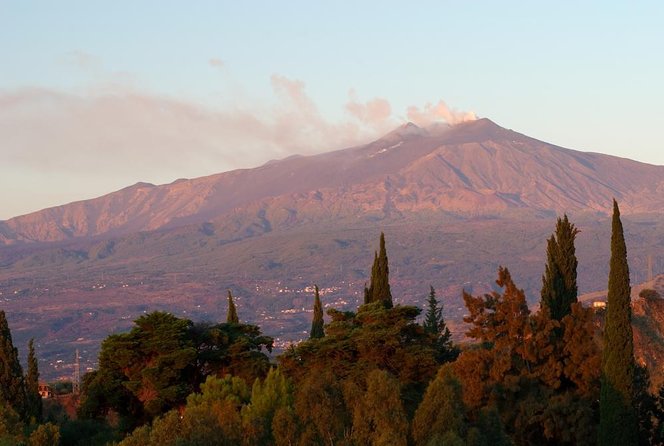
- Maximum safe height on current summit rules: you reach up to 3,000 m, not an “anything goes” peak chase.
- Cable car timing, then a 6.5 km hike: you go up to 2,500 m by cable car, then walk about 6.5 km with ~500 m gain.
- Volcanic terrain with safety gear included: helmets, warm jacket, extra socks, trekking poles, and shoes are part of the experience.
- Guides who teach as they hike: you get real geology context from guides such as Filippo (PhD geologist), Daniele, Podlo, and Vincenzo.
- South-East Crater cone access is restricted: you observe from a safe distance, because heat, instability, and potential collapses are real risks.
Why this Etna hike reaches the summit rules’ maximum
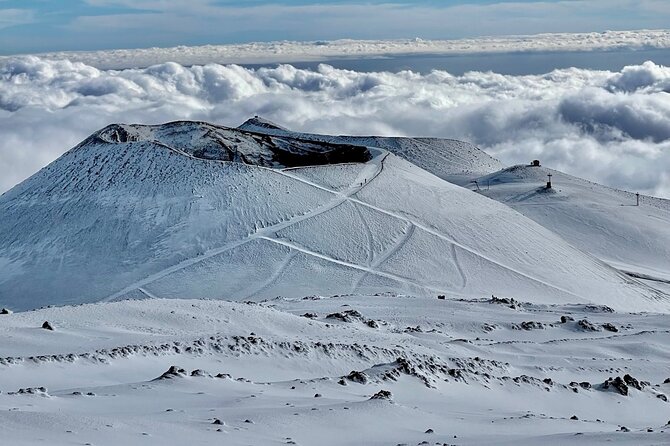
This is the kind of volcano hike that feels both thrilling and tightly managed. You are not aiming for an unofficial high point. You are going to the maximum safe altitude currently allowed by summit ordinances, which is a big deal on an active mountain like Etna.
At the start, you check in around 1,900 m. Then you climb higher in a controlled way, first by cable car up to 2,500 m, then on foot toward 3,000 m. The route keeps you above 2,500 m for the main walking, which is what helps you get those “near the action” views without leaving the safe zone.
You can also read our reviews of more hiking tours in Sicily
From Nicolosi to 2,500 m: the cable-car launch
Your morning starts at Esagonal Piazzale Funivia Etna Sud in Nicolosi (CT), with an 8:30 am start. The cable car is how you gain the altitude quickly and efficiently, and it also changes what your hike feels like. Instead of spending the whole day just climbing out of the base area, you’re already high enough that the volcanic terrain is the story.
Once you reach 2,500 m, that’s where the trek begins. From here, expect a gain of about 500 m overall, with the total hike time around 5 hours. The difficulty is listed as E for hikers used to high altitude, which tells you two things: the hike is not a long suffering grind, but you do need altitude comfort and steady legs.
A practical tip: there’s a place to grab breakfast or sandwiches near the meeting area, so you can top up before you head into cooler, thinner air. That matters because you’ll likely want your energy for the crater-rim walking.
The main climb across lava fields, craters, and hot fumaroles
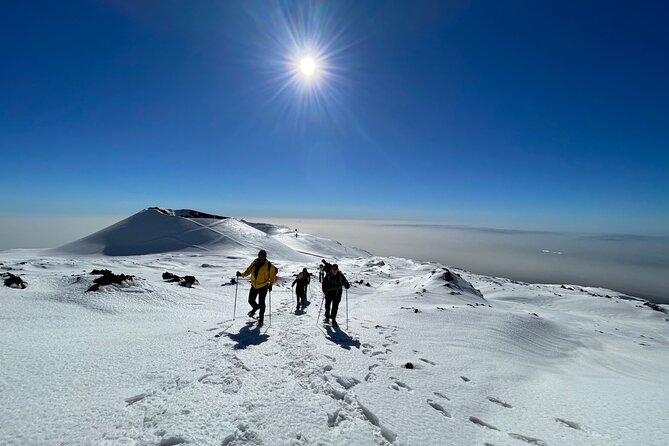
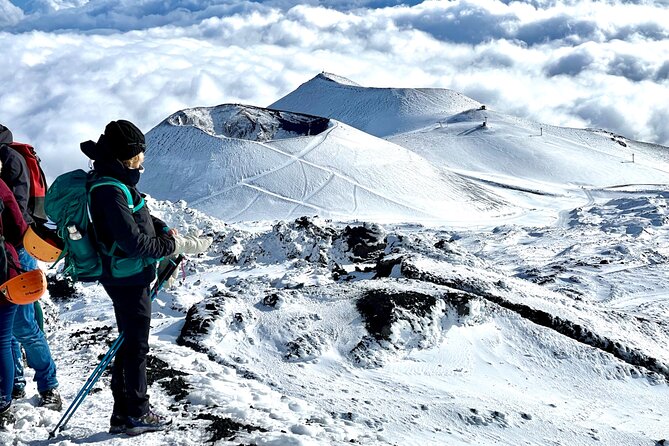
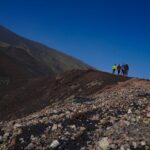
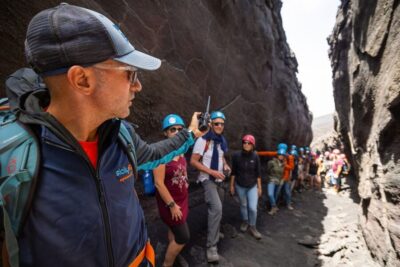
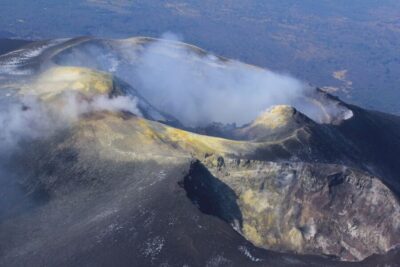
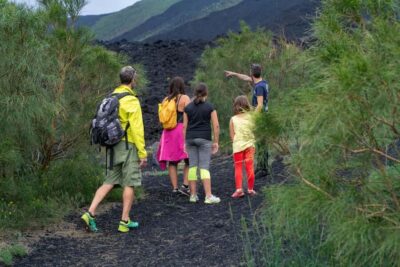
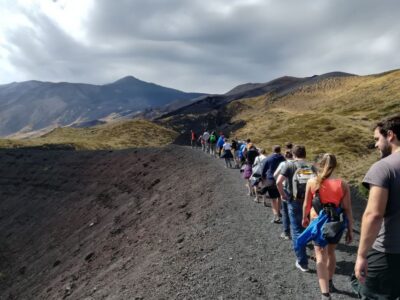
The climb itself is where the hike becomes more than a scenic walk. You gain roughly 500 m on volcanic ground that can be uneven and unstable. The route crosses lava fields, crater areas, lava channels, and hot fumaroles.
Here’s what that means for you in real terms:
- Your footing matters more than your pace. Trekking poles help a lot on rocky, uneven ground.
- You’ll likely want to move slowly, breathing steadily, because thin air at altitude turns “normal hiking effort” into bigger effort.
- You’ll feel the environment. Even if you don’t notice dramatic heat, volcanic zones can smell different and can shift in comfort quickly.
The upside is that you’re walking through the parts of Etna that are constantly being reshaped. You’re not just looking at a mountain in the distance. You’re walking across the mountain’s recent and older volcanic surface.
South-East Crater views, and why you do not go onto the cone
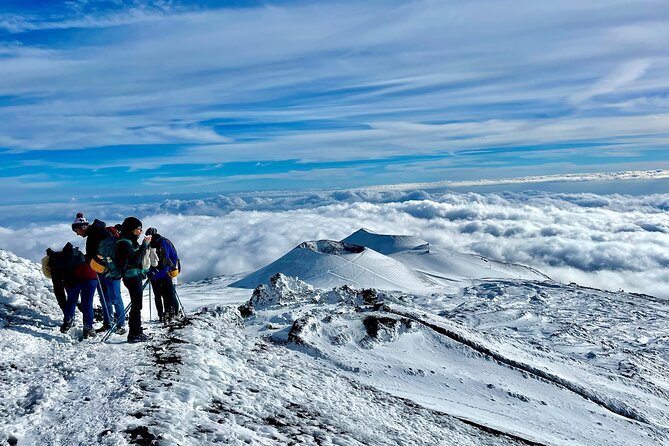
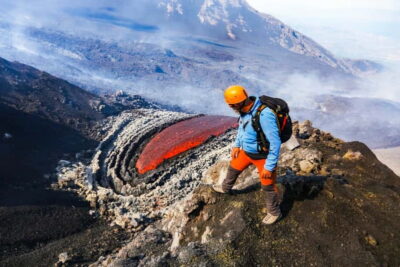
Etna’s South-East Crater is the star of this hike. From your walking position, you admire it from a safe, regulated distance. This is also where you see the logic of the limits.
Access to the cone can be closed by Zafferana and Civil Protection when conditions get too extreme. The reasons are practical: extreme heat, instability, and potential collapses when magma is shallow. That’s why the route focuses on safe crater viewing and regulated rim walking rather than pushing into the most dangerous zones.
So for you, the value is this: you still get the drama and the geology, but without pretending that every crater rim is a safe souvenir photo moment. On an active volcano, the best experience is often the one that respects the rules.
Crater rims can make you dizzy, and cold is not optional
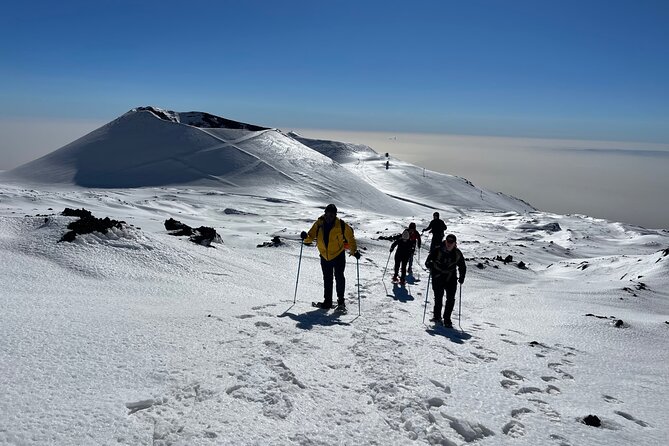
This hike includes ascending and walking along crater rims. If you’re sensitive to heights or dizziness, take it seriously. It’s not a guarantee that you will feel dizzy, but it’s a known factor for this route.
Also, high altitude changes the day fast. Even in good weather, it can feel colder on the upper slopes than you expect. The tour provides a warm jacket and helmets, plus extra socks. That helps, but you should still plan for warmth at the top.
What I’d bring if you want a smoother day:
- Gloves and a hat (those are not included)
- Sunglasses for glare
- Layers you can adjust, since you’ll work hard on the ascent and cool down during breaks
- Water, and a calm hiking rhythm
One more eye detail that’s easy to miss: contact lenses are not recommended because volcanic gases and ash can irritate eyes. If you wear contacts anyway, the advice is to pair them with sunglasses. Personally, I’d rather plan ahead and use glasses if you can.
Descent from 3,000 m: the hike down is part of the show
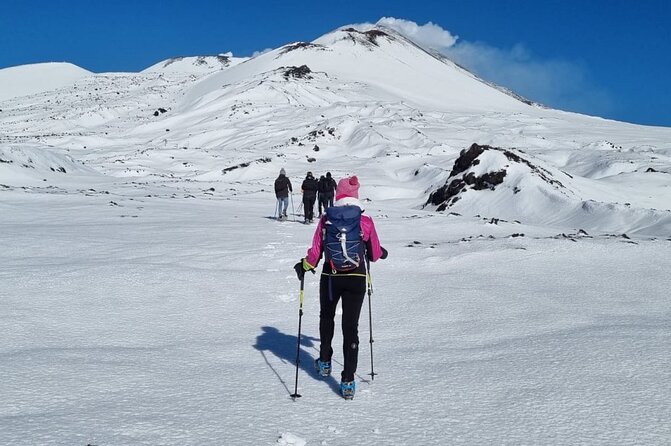
After reaching the maximum safe altitude at the base of the South-East Crater, you turn back. The descent is on foot from 3,000 m down to the cable-car station, and then you ride the cable car back to the start point.
This matters because descending is not automatic. On volcanic terrain, going down can be as demanding as going up, especially when ground is loose or uneven. Trekking poles are one of the best “value per dollar” items for this kind of descent, and they’re included here.
The descent is also when the guide’s explanations often land best. You have a bit more time to observe details you might have rushed past on the climb. Many people feel the return walk is as interesting as the ascent because Etna doesn’t look the same from every angle.
There’s also a reminder that your exact route can shift. The day may be adjusted at the guide’s discretion or even suspended if environmental, weather, or volcanic conditions change. One past experience even included a highlight like an old lava tunnel and a walk around the 2002 crater when cable access was affected by maintenance. That’s not a promise, but it shows what flexibility looks like on Etna.
Guides and gear: why this tour feels well run
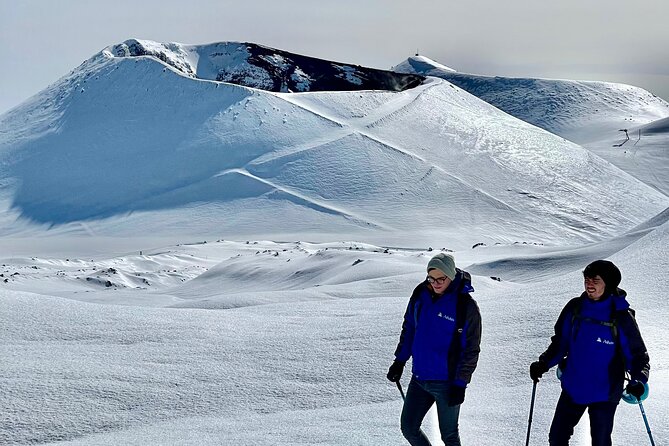
The experience is led by an authorized vulcanological guide. You’re not just paying for movement, you’re paying for interpretation. That’s where this tour earns its high rating.
I really like that the guide team often brings true depth to the explanation. Filippo is described as a PhD geologist, and guides like Vincenzo and Daniele are repeatedly praised for being friendly, professional, and strong at making the volcano understandable without turning it into a lecture.
Gear is included in a way that reduces stress. You get:
- Trekking poles
- Trekking shoes
- Helmets
- Warm jacket
- Extra socks
- Extra backpack
- Accident insurance
- Entry/admission to Mount Etna
If you arrive without proper footwear, the included shoes and trekking setup can save your day. One review even highlighted that jackets, sticks, and hiking boots can be borrowed if you don’t have your own, which matches the idea that this tour is designed to help you show up ready.
Group size is capped at 15, and you’ll go in English. That smaller size helps with pacing on a crater route, where one person taking too long or moving too fast can affect everyone.
Price and value: what $66.38 covers, and what you pay on site
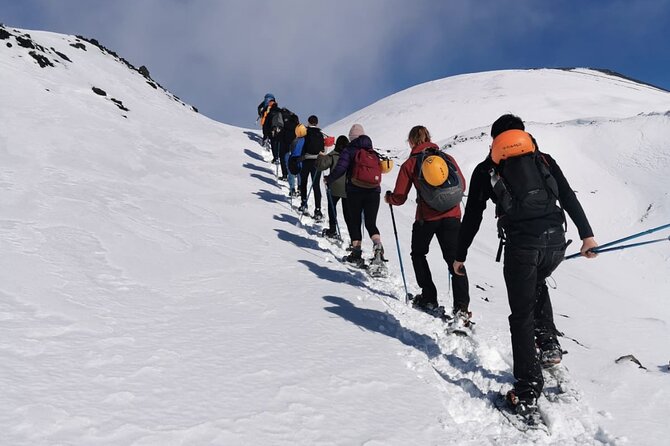
The price is listed at $66.38 per person, and the tour includes admission and the guide service, plus the full safety and warm-weather gear package. That’s strong value compared to many volcano tours where you end up renting everything after you arrive.
But there is one big extra cost to plan for: cableway tickets are not included. You pay 52€ per person on site for the round trip cable car.
So what does that mean for you?
- Your base ticket is not the full day cost, because the cableway is a separate line item.
- Still, you are not doing a low-cost hike and then getting hit with surprise gear rentals. The included helmets, warm layers, socks, poles, and shoes keep your overall risk and hassle down.
I’d also budget for being ready at 8:30 am. Early starts can feel harder if you’re staying outside Nicolosi, but the meeting point is clear and the morning timing is consistent.
Who should book this maximum-altitude Etna hike
This tour is best for people with moderate physical fitness and comfort hiking at altitude. It’s not recommended if you do little physical activity. You also should think carefully if you have cardiovascular issues, respiratory issues, or hypertension, since the tour is considered suitable only for people in good physical health without those specific medical concerns.
It can work for families, with the condition that children are over 7 and accustomed to walking. Still, the crater-rim walking and altitude should make you treat this as a real hike, not a casual stroll.
If you want a guided volcano experience with both safety boundaries and honest geology talk, this is a good fit. If you want a short, flat viewpoint walk, you might find it too demanding.
Should you book this Etna crater hike?
Book it if you want the real Etna experience in a structured way. The biggest reasons are practical: you reach the maximum safe altitude under summit ordinances, you’re guided by an authorized vulcanologist, and you get the gear you need for volcanic conditions without hunting rentals last minute.
Skip it or choose a different option if altitude makes you nervous, if heights trigger dizziness, or if you know you struggle with uneven terrain. Also, if you rely on contact lenses, know that volcanic ash and gases are part of this environment, and the guidance is to avoid contacts.
If you do book, plan your layers, bring gloves and a hat, and pace yourself on the crater rims. Do that, and you’ll come away with the kind of volcano day that feels both adventurous and grounded in safety.
FAQ
How high does the hike go on Mount Etna?
You climb from 1,900 m to a maximum safe altitude of 3,000 m, which is the maximum allowed by current summit ordinances. The main trek stays above 2,500 m.
How long is the tour and how far do we walk?
The duration is about 5 hours. The hike covers about 6.5 km with around 500 m of ascent (which can vary a bit).
What does the $66.38 price include, and what costs extra?
The price includes the authorized vulcanological guide, trekking poles, trekking shoes, helmets, warm jacket, extra socks, extra backpack, accident insurance, and entry/admission to Mount Etna. The cable car tickets are not included, and you pay 52€ per person on site for the round trip.
Do I need to bring my own hiking gear?
Gear is provided for the hike, including shoes, poles, a helmet, and a warm jacket, plus extra socks. Hat and gloves are not included, so it’s smart to bring them.
Are there crater rim sections, and can they cause dizziness?
Yes, the route includes ascending and walking along crater rims. This may cause dizziness for sensitive individuals.
Can I wear contact lenses?
Contact lenses are not recommended due to volcanic gases and ash that can irritate your eyes. If you do wear them, it’s advisable to use them with sunglasses.
What if weather or volcanic conditions change?
The guide may adjust the route at their discretion or suspend the excursion if environmental, weather, or volcanic conditions change and pose a risk. The experience requires good weather, and if it is canceled due to poor weather, you will be offered a different date or a full refund.
More Hiking & Trekking Tours in Sicily
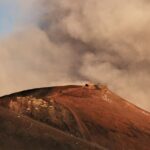
More Tour Reviews in Sicily
Not for you? Here's more nearby things to do in Sicily we have reviewed






Hiking & Trekking, compared.
 ★ 4.7Mount Etna: Guided Volcano Summit Hiking Tour with Cable CarFrom $1243,784 reviews
 ★ 4.7Mount Etna: Trek to 3000m with cable car and jeepFrom $621,978 reviews
 ★ 4.8Mount Etna: Summit Crater Trek with Cable CarFrom $771,875 reviews
 ★ 4.7Etna Volcano: South Side Guided Summit HikeFrom $671,545 reviews
 ★ 4.6Stromboli: Sunset Trekking at Sciara del FuocoFrom $351,372 reviews
 ★ 4.9Catania: Mount Etna Trekking Trip off the Tourist PathFrom $781,351 reviews
 ★ 4.7From Taormina: Etna Tour with Hiking, Cave Visit, & TastingsFrom $83518 reviews
 ★ 4.9From Taormina: Half-Day Mount Etna Morning TrekFrom $106504 reviews
Browse the lists this tour appears in