
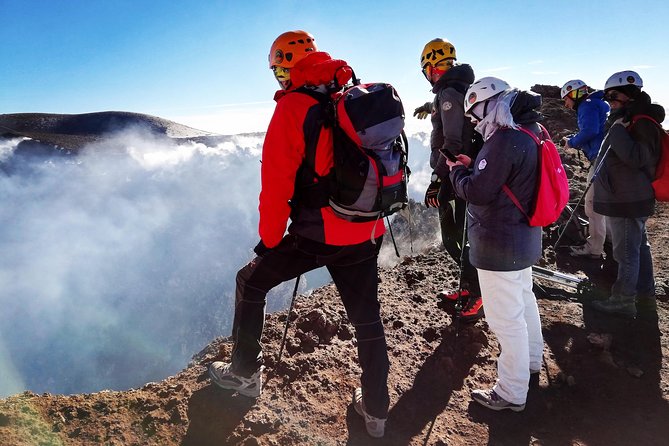
Reviewed · MOUNT ETNA VOLCANO TOURS
Etna – Trekking to the summit craters (only guide service) experienced hikers
Mount Etna on the north side is a different planet.
What makes this outing tick is the combination of small groups and a proper volcanologist-led hike up toward the summit craters. You start at Piano Provenzana, then ride by authorized 4×4 across lava and fractured ground before you set off on a guided trek to active crater areas.
I love that the guides handle both the planning and the practical details, from safety checks to giving you trekking poles, helmets, warm layers, and extra socks. I also like the human pace, with route choices that follow daily conditions, not a fixed script. One consideration: this is a demanding altitude walk with big downhill on the way back, so you need strong knees and good boots.
Key reasons this Etna Nord summit hike is worth your time
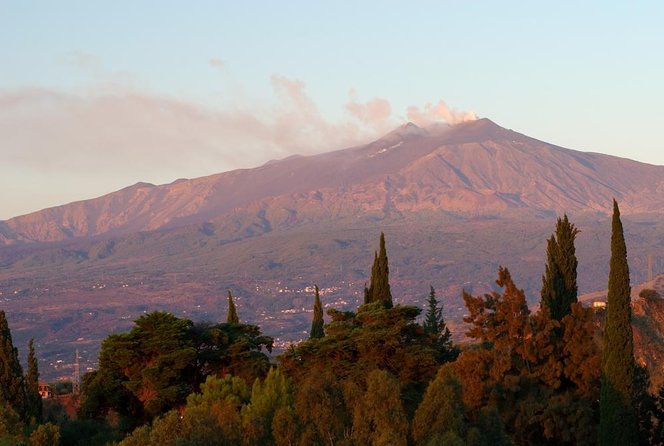
- North-side Etna feels less crowded, yet you still get summit-crater access when conditions allow
- Guides manage daily route safety, adjusting toward the most active and secure crater area
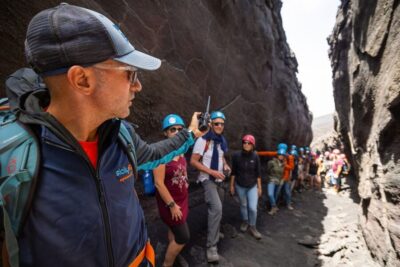
- All the heavy lifting is guided, including equipment, crater-edge walking, and pacing
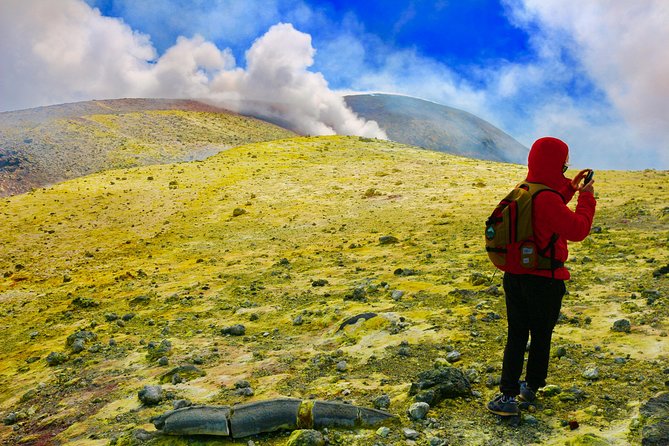
- The scenery is a fast-changing mix of forests, fresh lava, scoria gullies, and high-altitude desert
- Small group size up to 12 people helps keep explanations clear and questions answered
- You return with real mileage and real altitude work, not a short photo walk
Piano Provenzana start: where the north side shows its scars
You’ll meet near the Chiosco Bar Mare Neve di Ferraro at Etna Nord, Piano Provenzana, with a 7:45 am start. Plan to arrive early, because the day runs on a tight rhythm. Once you get there, you can use the restrooms, grab coffee or tea, and eat a pastry or quick breakfast before your briefing.
Piano Provenzana is a practical base and a scenic one. It’s on Etna’s north side, and it’s generally less crowded than the south, which matters once you’re trying to feel the volcano instead of just watching it. The area was destroyed by the October 27, 2002 eruption, so you’re stepping into a place shaped by history and still defined by volcanic ground.
A detail I appreciate: the access road is drivable, so you can reach the starting zone by private or rental car. If you go in winter, bring the reality of cold weather with you. In colder months, snow chains or winter tires can be needed to get to the area safely.
You can also read our reviews of more guided tours in Sicily
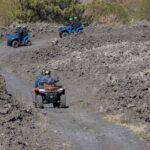
The authorized 4×4 climb: lava fields, fractures, and big sea views
From the meeting base, you ride up in authorized 4×4 vehicles with your guides. This is not just a transfer. It’s part of the tour, because it gets you high enough to start the summit trek without wasting half your day on lower, slower hiking.
On the route, you’ll cross lava fields and lateral craters, and the drive climbs up to about 2,960 m before your walking begins. The north slope is wilder and less touristy, and the track you follow is unpaved, which adds a little “real expedition” feel.
As you gain elevation, the views can open dramatically. On clear days, the outlook includes northern Sicily, the Aeolian Islands, the Strait of Messina, and stretches of the Ionian and Tyrrhenian Seas. In rare visibility, you might even see the Madonie range and areas like Catania and Syracuse along the coast. This is the kind of geography that makes geology make sense quickly.
One practical point: the schedule expects an early departure, typically 8:00 to 8:15 am for the morning slot. There’s also an afternoon option starting around 1:00 pm from May to October, so you can pick the day style you prefer.
The crater hike itself: 4 main craters, and route changes that make sense
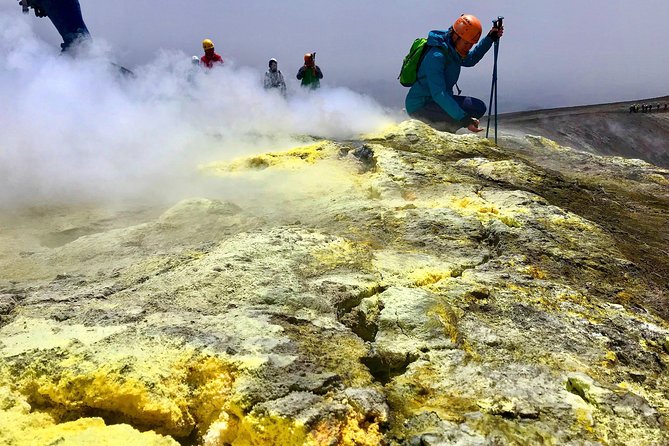
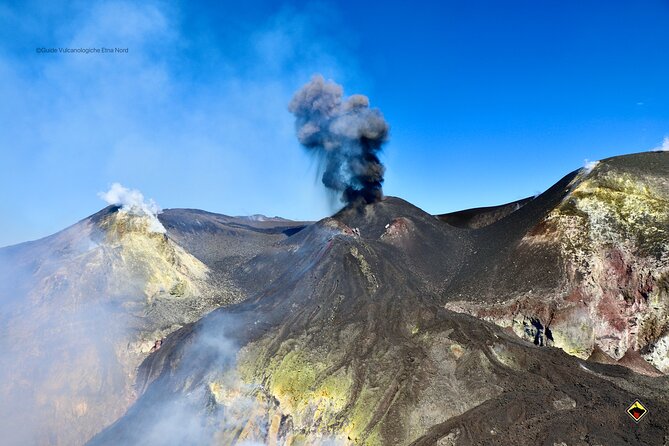
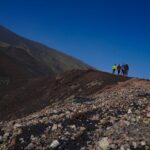
At roughly 2,960 m, the guided summit hike starts. You’re climbing for about 5 km with around 550 m of ascent toward the crater area, aiming for the summit region’s main craters: North-East, Voragine, Bocca Nuova, and South-East.
Here’s what you’re really paying for: you’re not walking into a rigid checklist. Since Etna changes day to day, your guides choose the safest route toward the most active yet secure crater area. Gas, heat, and fractures can change the plan, so the walk adapts.
Altitude matters. You’ll move through roughly 2,960 to 3,323 m depending on the route and conditions, and mild altitude effects are possible. I’d treat that as a serious note, even if you’re fit. If you tend to get winded easily, start slower than you think you need to and let your breathing settle.
Also, crater-edge walking can trigger dizziness for susceptible people. That’s not a moral failure. It’s just how altitude plus exposure works, and it’s exactly why the guides keep the group moving and explain what to expect.
The return is the real workout: long descent with scoria and knee risk
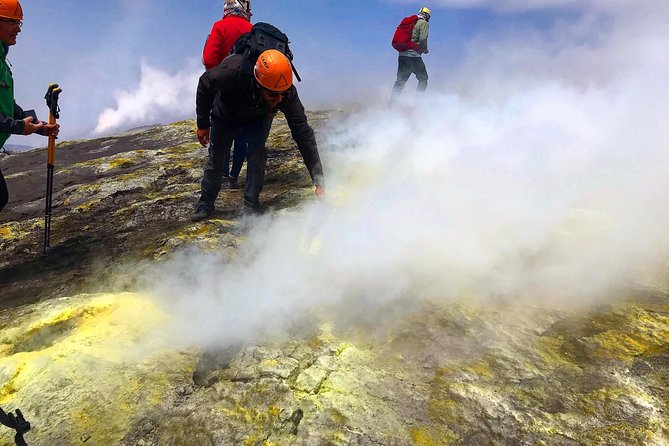
The climb is only half the story. The return is a long descent on foot, roughly from about 3,300 m back down toward 1,800 m. Expect around 7 km with about 1,500 m of negative gain. That ratio is why experienced hikers still feel the hardest part in their legs on the way down.
The path runs over soft scoria and sandy gullies through fresh lava terrain. Later, it follows the Piano delle Concalze, then crosses about 2.5 km of ski slopes with rougher, stony ground. That mix is why good footwear is non-negotiable.
If you’re the kind of hiker who thinks, I can handle the uphill, you still need to plan for the downhill. Think knee support, slow steps, and trekking pole use.
Duration wise, the listing calls it about 5 hours 30 minutes. In real life, expect it can stretch closer to 6+ hours depending on route choices and pace.
Gear included, plus the small things that can ruin your day
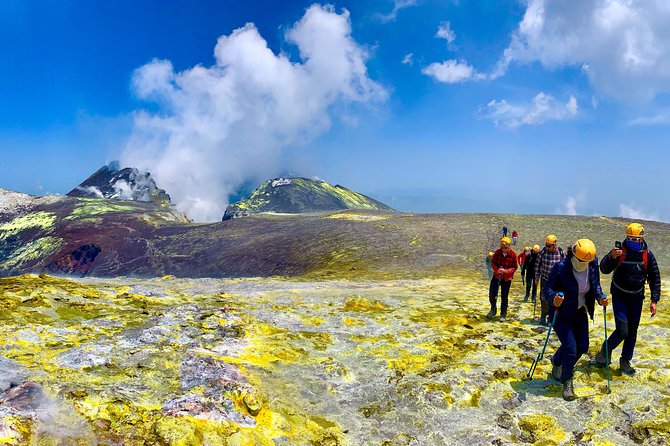
This tour includes a lot of what usually costs you time and stress on summit hikes: a licensed volcano guide, trekking poles, trekking shoes, helmets, a warm jacket, extra socks, and an extra backpack. There’s also insurance in case of accidents and entry/admission to Mount Etna.
What’s not included is where you need to stay alert:
- Hat and gloves may be on you depending on season
- Parking fees apply if you drive in
- If you want a specific off-road ride segment (described as an off road vehicle one-way from around 1800 m up to 2825 m), there’s an extra €50 per person paid on the spot
- If you choose the bus return option from around 2,850 m down to 1,800 m, the cost is €70 instead of €50
There are also sensible extras you should bring because volcanic hikes can punish the smallest shortcuts. I’d add:
- Long pants that cover your ankle area to limit sand and stone problems
- Long socks (so loose grit doesn’t work its way into your shoes)
- Sunscreen even when it’s cold, because high altitude sun is real
- A wind layer. Wind is a constant theme on high Etna days
Some hikers also report that footwear or jacket rentals may be available for a small fee if you forget something. Still, don’t count on it. Use the included kit if you can and bring the basics anyway.
You can also read our reviews of more hiking tours in Sicily
Price and value: why €139-ish can be a bargain here
At $139.13 per person, the headline price looks simple. The real value shows up when you compare what this includes for an active volcano hike.
You get:
- A licensed volcanologist guide for both driving and walking
- Guided crater-edge hiking with route changes based on activity
- Equipment that is usually the difference between a great day and a painful one
- Insurance coverage for accidents
- Admission to Mount Etna
Now the balanced part: you may still have add-ons depending on how you travel and what return option you choose. Parking fees apply if you drive yourself. If you need the extra off-road segment or want the bus return later in the descent, that’s extra. None of that is hidden, but it does mean your final cost can move.
Even with likely add-ons, this feels like one of those Sicily experiences where the guide value is doing a lot of the work. And when you only have a short window on the island, paying for a guided, high-success-rate crater experience can be money well spent.
The guides: small-group attention that keeps you confident
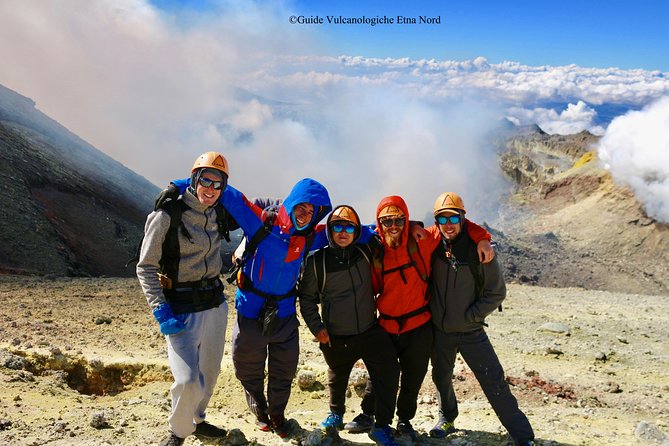
Names that come up include Paolo, Nikos, Raphael, Poldo, Daniele, and Vincenzo. Different personality, same theme: guides who take the volcano seriously and still keep the day human.
What I like in how this is run:
- You get a briefing before departure so you know what to expect
- The guides explain the geology and what you’re seeing as you climb
- The pace includes breaks when the group needs them
- They keep the group together and prioritize safety, especially near exposure points
On summit hikes, confidence is a practical thing. It helps you slow down, breathe, and not waste energy panicking about the height or the terrain.
Safety rules on an active volcano: expect adjustments, not disappointments
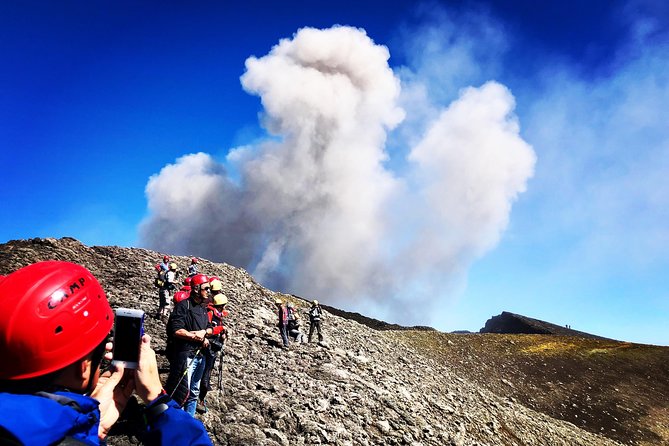
Etna is active and rules change. Your guides follow the limits required by authorities for volcanic explosions and safety boundaries. That can mean adjusting the route or, in some conditions, reaching a lower limit than the absolute summit area. The key is that the plan can change to keep the whole group safe.
The tour can also be interrupted if environmental or climatic conditions make it unsafe to continue. That’s not a loophole. It’s how active volcano guiding works.
Your personal safety also depends on what you bring and what you do:
- This is not suitable for children under 12
- Pregnant women after the third month are not allowed
- People with breathing problems or hypertension should avoid this
- Contact lenses are not recommended because of volcanic gases and ash
If you get dizzy around crater edges, tell the guide. They can guide your pace and where you place yourself in the group.
Who this Etna Nord summit hike suits best
This is built for experienced hikers who want the real Etna, not a viewing platform. The physical ask is clear: altitude, scoria footing, and a significant downhill.
This is a great fit if you:
- Enjoy geology and want a guided explanation in context
- Want a less crowded part of Etna while still reaching near summit crater areas
- Are comfortable hiking for several hours with real elevation gain and loss
It’s a poor fit if you:
- Have knee issues that can’t handle steep downhill
- Have breathing limitations that don’t do well with altitude and cold wind
- Prefer short, easy walking experiences
What to pack for Etna’s summit craters (so you don’t suffer)
Even with included gear, you should prepare like this is cold, windy, and gritty.
Bring:
- Warm layers suited to wind, even in warmer months
- Hat and gloves for autumn, winter, and spring
- Long pants that cover your ankle area
- Sturdy hiking boots with grip for loose sand and scoria
- Sunglasses and sunscreen
- Optional, but useful: a small personal water bottle and snacks if allowed by your plan
In the field, the most common discomfort is the return descent. Sand and small stones can get into shoes, so long socks and good ankle coverage pay off. Also, consider packing light so you’re not fighting extra weight at altitude.
Should you book this Etna Nord summit hike?
Book it if you want a true, crater-focused Etna day with small groups and a licensed volcanologist, and you’re ready for a real hike at altitude with a tough downhill. This is the kind of experience where the guide’s judgment about crater access matters, and the included gear helps you show up prepared instead of improvising.
Skip it or choose a gentler Etna option if you’re unsure about altitude, you struggle on descents, or you need an easy day. Etna does not do “casual hiking” once you’re near the summit zone.
If you can handle strong fitness demands, this is one of the best ways to experience Etna’s north side, with crater views and volcanic terrain that feel earned.
FAQ
What time does the Etna Nord summit hike start?
The meeting time is 7:45 am, and the tour typically departs 8:00 to 8:15 am.
Is the hike offered in English?
Yes. This experience is offered in English.
How long is the tour?
The duration is about 5 hours 30 minutes (approx.), though actual time can vary with conditions and route choices.
Are admission tickets included?
Yes. Entry or admission to Mount Etna is included.
What is included in the price besides the guide?
You get a licensed volcano guide, trekking poles, trekking shoes, helmets, warm jacket, extra socks, extra backpack, and insurance in case of accidents.
What extra costs should I expect?
You may need to pay for parking, possible off road vehicle costs (one way from about 1800 m to 2825 m), and a bus return option from about 2,850 m to 1,800 m if you choose it.
Is this hike suitable for kids and pregnant travelers?
Children under 12 are not suitable. Pregnant women who have passed the third month are not allowed to take part.
More Hiking & Trekking Tours in Sicily
More Guided Tours in Sicily
More Tour Reviews in Sicily
Not for you? Here's more nearby things to do in Sicily we have reviewed






Mount Etna Volcano Tours, compared.
 ★ 4.8Catania: Mount Etna Morning or Sunset Day Trip with TastingFrom $704,028 reviews
 ★ 4.7Mount Etna: Guided Volcano Summit Hiking Tour with Cable CarFrom $1243,784 reviews
 ★ 4.8Catania: Sunset Jeep Tour of Mount Etna and Lava Flow CavesFrom $712,113 reviews
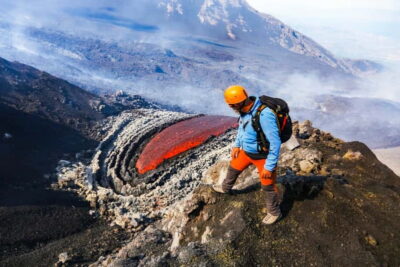 ★ 4.7Mount Etna: Trek to 3000m with cable car and jeepFrom $621,978 reviews
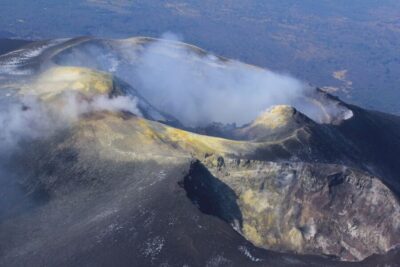 ★ 4.8Mount Etna: Summit Crater Trek with Cable CarFrom $771,875 reviews
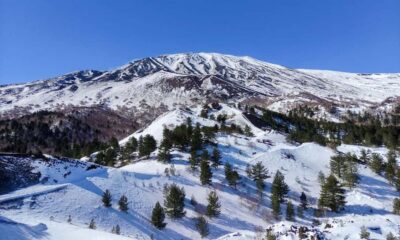 ★ 4.8Etna and Alcantara Gorges Full-Day Tour with LunchFrom $1051,766 reviews
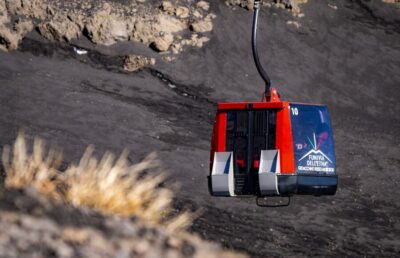 ★ 4.3Mount Etna: Roundtrip Cable Car and 4×4 Bus TicketFrom $971,602 reviews
 ★ 4.7Etna Volcano: South Side Guided Summit HikeFrom $671,545 reviews
Browse the lists this tour appears in