
Reviewed · CATANIA CITY & FISH MARKET TOURS
WalkingTour CATANIA – discovering the city of lava with a licensed guide
Catania is a city built on fire stories. This walk ties together lava, baroque streets, and everyday local life in just 2 to 3 hours, with an official licensed guide and an easy, mostly central route. I especially like the way the tour starts at the big signature landmarks, then slows down at the daily fish market so you feel how locals actually eat and shop. One thing to consider: it is a walking tour in an exposed historic center, so bring water and expect heat, with a few older, rougher sidewalk sections.
The itinerary is simple and smart. You meet at the GS (GuidingSicily) infopoint in Piazza del Duomo, then move from the Duomo square to the town hall, A’ Piscaria fish market, Ursino Castle, Via dei Crociferi, and finally Piazza Universita. If you are lucky enough to get one of the guides praised for clear English and lively storytelling, you will get practical food and culture tips, not just dates. The possible drawback is that Ursino Castle admission is not included, so you may pay extra if you want to go in.
Overall, this is one of the easier ways to get your bearings in Catania. You leave with a stronger sense of why this city looks the way it does, how lava shaped it, and where to return later on your own. If you hate markets or you want museum-level deep dives, this might feel like a quick survey rather than a long study session.
Key highlights worth planning around
- Official licensed guides from the GS (GuidingSicily) infopoint, in English
- Piazza del Duomo landmarks with the Norman-root Duomo and the liotru lava elephant fountain
- A’ Piscaria fish market stop with local foods, cheeses, cold cuts, fruit, and vegetables
- Ursino Castle and the lava-filled moat story, plus black basalt you can still see
- Via dei Crociferi baroque street rebuilt after the 1693 earthquake
- Piazza Universita and a courtyard paved with lava pebbles
Piazza del Duomo: Where Catania’s lava story becomes real
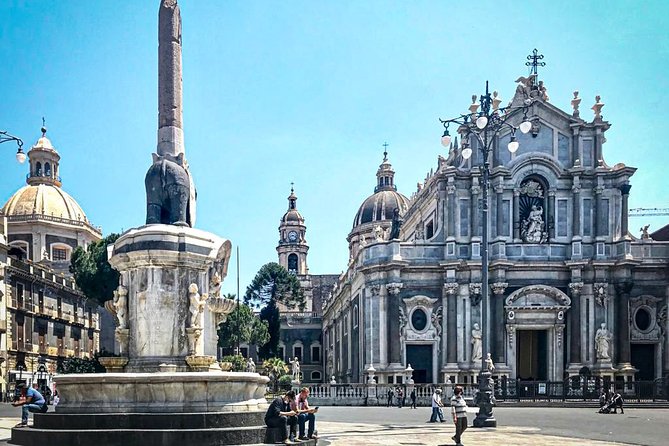
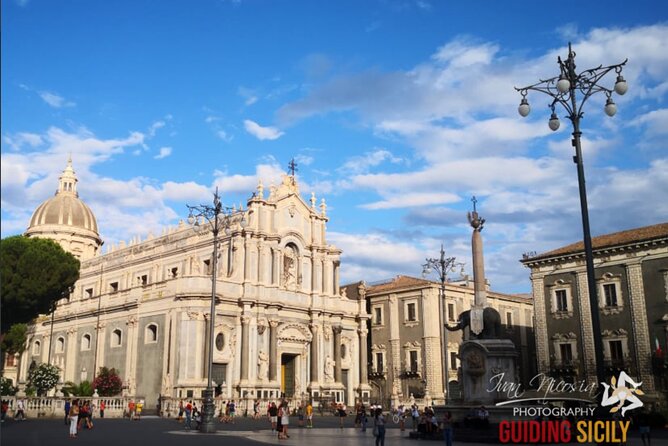
Your tour starts in a place that already feels like the center of everything. Piazza del Duomo is the perfect starting line because you can see the city’s layers quickly, the Norman-origin Duomo meets baroque appearance, and the square is packed with daily life.
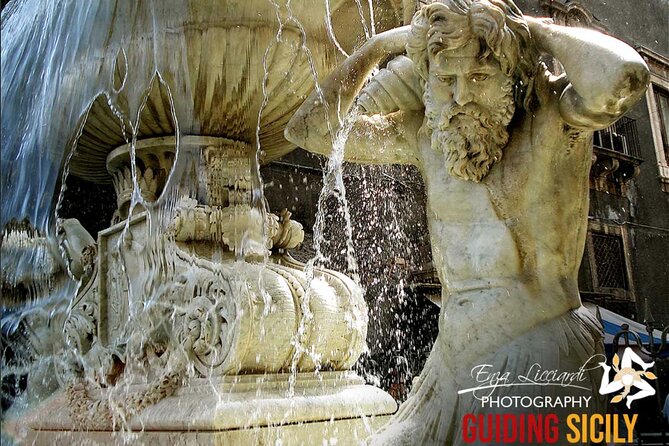
Right in the square, the fountain with the liotru is a key moment. This lava-stone elephant, topped by an obelisk, is the kind of local symbol you would miss if you were only snapping photos and moving on. With a licensed guide, you learn how that identity connects to Catania’s relationship with Mount Etna and the volcanic material that became part of the city itself.
I also love that the tour links major sights with practical nearby textures. Staying in this area means you can hear street noise, smell food, and notice how the town hall and public square function as real civic space, not a stage set.
You can also read our reviews of more guided tours in Sicily


Palazzo degli Elefanti: The town hall name you can literally see
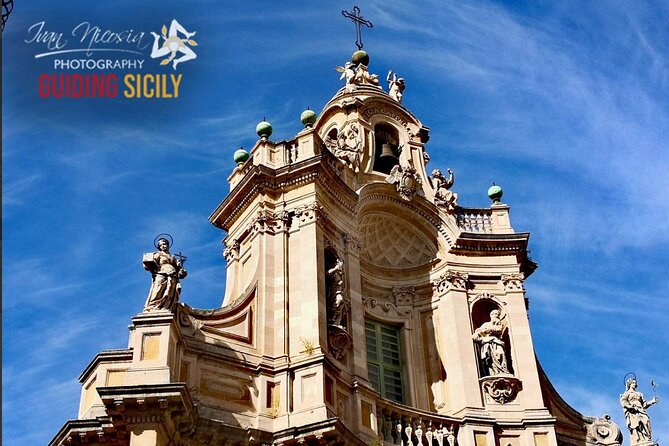
After the Duomo square, you head to the Palazzo degli Elefanti. The tour’s quick explanation matters here: the building is called that because of the elephant representations on the gables, visible on the balconies on the noble floor.
This is a good example of why guided walks beat solo wandering in Catania. You might spot the details on your own, but a good guide helps you interpret what you are looking at, so you do not just collect images.
The stop is short, but that is part of the value. Instead of overloading you with one monument, the tour builds a theme. You get the elephant symbol here, then you will see how lava connects it to other parts of the city later.
A’ Piscaria fish market: Food culture in the real shopping lanes
Adjacent to Piazza del Duomo is A’ Piscaria, the daily fish market. This is where the tour starts to feel grounded and local, not just historic.
The market stop is focused on what you will actually find and how Sicilians shop and eat. You can see a wide range of local food products, from fish to meat, cured meats to cheeses, plus fruit and vegetables. If your goal is to understand Catania through food, this is one of the most useful stops on the whole walk.
One specific nice touch mentioned in the tour description is the emphasis on bargains and fresh displays, including fruit at bargain prices. Even if you do not buy anything, you get to watch how people choose, chat, and move through the stalls.
Practical note: markets can be busy and loud. If you want to hear every detail from the guide, stand where you can still look toward the guide while you are not blocking stall access.
Ursino Castle and the lava that filled the moat
Next up is Ursino Castle, the Swabian castle that once overlooked the sea. The tour explanation focuses on one of Catania’s most dramatic city-making facts: in the 17th century, a mighty lava flow filled the moat and left the castle surrounded in that red-hot embrace.
What makes this more than a dramatic story is the visual proof. The black basalt is still perfectly visible today, so you can connect the words you heard earlier at the liotru fountain to a physical, architectural result. It is a powerful moment for first-timers because it answers the question, why does the city look the way it does.
There is one important caveat for planning: Ursino Castle admission is not included. The tour does not automatically pay for entry, so if you want to go inside, you should budget for it and decide on the spot based on your energy level and interest in indoor spaces.
Via dei Crociferi: Baroque facades after the 1693 earthquake

From the castle area, the walk leads you to Via dei Crociferi, one church after another, one monastery after another. This is Catania’s baroque corridor, and the tour gives you the key historical frame: many of these facades were built after the devastating earthquake of 1693.
That context matters because it changes how you read the street. You start seeing the baroque details as part of a rebuilding story, not just decoration. A good guide also helps you notice patterns and variations across facades, so the street does not blur into one long wall of sameness.
This section is also a good time to take in Catania’s daily rhythm. Even with a historic theme, you are still walking through a living neighborhood, not a dead museum zone.
You can also read our reviews of more city tours in Sicily


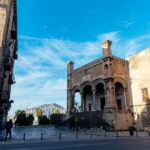
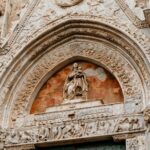

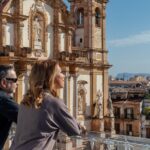
Piazza Universita and the courtyard paved with lava pebbles
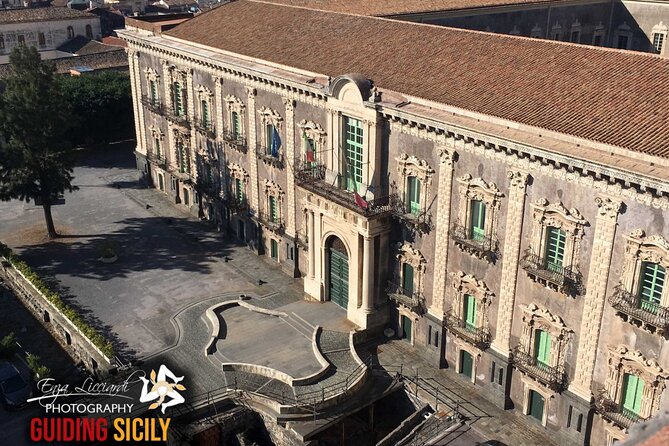
The walk ends at Piazza Universita, where the Palazzo del Rettorato encloses a courtyard. The standout detail here is that the courtyard has lava pebbles, the kind that tens and tens of generations of students have walked across.
This stop is surprisingly meaningful because it connects geology to routine life. Lava is not just something that happened in the past, it is embedded in how people moved through the city for centuries, literally underfoot.
Across from it stands the imposing Palazzo di San Giuliano, another seat of learning. The tour also points out its former home connection to one of the most powerful and richest families in Sicily, which helps you see how education, wealth, and civic life can overlap in old European cities.
If you want a clean finish, this is it. You end the walk with a sense of continuity, how Catania’s identity gets passed through institutions, not just monuments.
The guide experience: licensed, local, and built for clarity
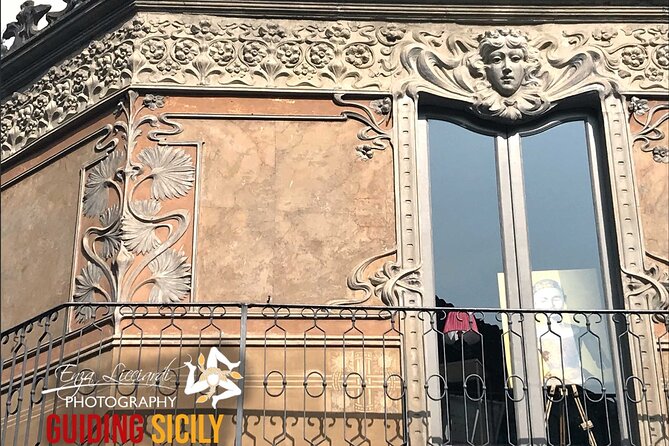
This tour is run by GuidingSicily, and you meet authorized guides at the GS infopoint in Piazza del Duomo. The tour description also sets expectations for small-group feel, with a maximum of 15 travelers, which usually makes it easier to hear your guide and ask questions.
In the feedback from past groups, guides like Maria Luisa, Titianna, Giuseppe, Alicia, and Enza come up for their storytelling and education style. What I think is most useful for you is the consistent theme: guides tend to connect history to daily Sicilian life and explain local food and customs in plain language.
One review detail worth taking seriously is the suggestion to use auricolari if you have them. Even if you do not have them, you can keep expectations realistic: in a crowded historic center, sound can shift block to block. If you want to catch every word, plan to stand where you have the clearest view of your guide.
Another practical thing mentioned in the reviews: guides can be mindful about breaks and shade on hot days. That kind of small adjustment makes the difference between a tour that feels manageable and one that feels like a slog.
Timing, walking comfort, and what to pack
The tour runs about 2 to 3 hours and starts at 10:30 am. That start time is helpful because you avoid the hottest part of the day in many seasons, though you still need to plan for heat if you are visiting in summer.
The walk is described as easy overall, but at least one review notes that a few sidewalks can be old and rough. That is not a dealbreaker, but it is a reason to wear decent walking shoes, not sandals with slick soles.
Bring water. Even though the tour does not say water is provided, multiple guides are praised for being thoughtful on hot days, and you will feel better if you come prepared. Also, think about sun protection since you will be outside for the full experience.
One more practical point: the experience requires good weather. If weather turns, you may be offered a different date or a full refund, so keep an eye on the forecast if your schedule is tight.
Price and value: about $24.19 for a high-impact intro
At $24.19 per person, this is priced like a true intro experience. For that money, you are not paying for one paid attraction, you are buying a guided lens across multiple free stops.
Most of the stops have admission marked as free, including the Duomo area, Palazzo degli Elefanti, and the fish market. The one clear exception in the tour structure is Ursino Castle, where admission is not included. In other words, you get a lot of guided context without feeling forced into expensive entrance fees.
Is it “worth it”? If you are a first-time visitor, I think the value is strong. This is the kind of walk where you learn why each place matters, not just what it looks like. And once you understand the lava theme, Catania becomes easier to navigate on your own afterward.
If you already know Catania deeply and you just want photos, you might skip it. But if you want to connect monuments, neighborhoods, and food culture into one coherent story, the price feels fair for the amount of time and the number of key stops.
Who should book this Catania lava walking tour
Book this if you want an efficient orientation to central Catania. It is ideal for first-timers who want Duomo-area highlights, a real market experience, and the lava behind the architecture and street style.
It also fits well if you like practical culture. The fish market stop is not an optional extra, it is built into the flow, so you come away with a better sense of local tastes and buying habits.
If you prefer large tours where you can float and ignore the guide, you might feel constrained by a small-group format. This experience caps at 15, which is great for interaction, but it also means you should stay with the group.
Also consider your priorities. This is a walking city tour, not a long museum plan. If you want extended indoor time and deep dives into collections, you may still enjoy it, but you will likely want a separate attraction day too.
Should you book?
Yes, if you are planning a first visit and you want a smart, guided overview of Catania’s lava identity. The pairing of landmarks like the Duomo square and liotru with the A’ Piscaria market is exactly the blend that makes this feel like a real city walk, not a checklist.
You should skip or wait if you cannot walk comfortably for 2 to 3 hours, or if you know you will be miserable in hot weather. Also factor in that Ursino Castle admission is not included, so if castle entry is your main goal, plan for that extra step.
If you time it well and show up with shoes and sun protection, this is the kind of tour that helps you understand Catania fast, then enjoy the rest of your trip with your own eyes.
FAQ
Where do I meet for the tour?
You meet at the GS (GuidingSicily) infopoint in Piazza del Duomo, 95100 Catania CT, Italy.
What time does the tour start?
The tour start time listed is 10:30 am.
How long is the WalkingTour CATANIA experience?
It lasts about 2 to 3 hours.
How much does it cost, and is it in English?
The price is $24.19 per person, and the tour is offered in English.
Is Ursino Castle admission included?
No. Ursino Castle admission is not included in the tour.
How big is the group?
The tour has a maximum of 15 travelers.
What if the weather is bad?
The tour requires good weather. If it is canceled due to poor weather, you will be offered a different date or a full refund.
Can I cancel for a full refund?
Yes. You can cancel up to 24 hours in advance of the experience for a full refund. If you cancel less than 24 hours before the start time, the amount you paid will not be refunded.
More City Tours in Sicily
More Guided Tours in Sicily

More Tour Reviews in Sicily

Not for you? Here's more nearby things to do in Sicily we have reviewed






Catania City & Fish Market Tours, compared.
 ★ 4.8Catania: Mount Etna Morning or Sunset Day Trip with TastingFrom $704,028 reviews
 ★ 4.8Catania: Sunset Jeep Tour of Mount Etna and Lava Flow CavesFrom $712,113 reviews
 ★ 4.9Catania: Mount Etna Trekking Trip off the Tourist PathFrom $781,351 reviews
 ★ 4.8Catania: Etna Sunset Tour with Pickup and Drop-offFrom $711,348 reviews
 ★ 5.0Mt. Etna and Taormina village full day tour from CataniaFrom $1181,155 reviews
 ★ 4.7From Catania: Mount Etna Sunset Tour with Tasting and CaveFrom $451,119 reviews
 ★ 4.8Catania: Etna Morning Excursion with Tasting and PickupFrom $67820 reviews
 ★ 4.9Catania: Amazing Etna Morning Tour with Pickup and Drop-OffFrom $81799 reviews
Browse the lists this tour appears in