
Reviewed · TRAPANI, ERICE & SEGESTA TOURS
Marsala: Guided tour of the Genna Salt Pans
Salt, sun, and Spanish history in 45 minutes. I love the way the Genna Salt Pans sit above the Stagnone Lagoon, turning an ordinary ticket into a real sense of place. I also like that the guide walks you through the full salt-making cycle, right up to crystallization, so you leave understanding what you just saw.
One possible drawback: the tour is heavy on spoken explanation, so if you learn best from diagrams, close-up tools, or examples of water flow, you might feel it is a bit too verbal. The upside is that the setting does a lot of the work for you, with wind, sun, and an iodine smell that makes salt pans feel like a working landscape of old Marsala.
Plan for practical comfort. Bring a hat, water, and wear gym shoes, because you are walking around an active outdoor production area where wind can be strong and surfaces can get hot.
Key highlights you should care about
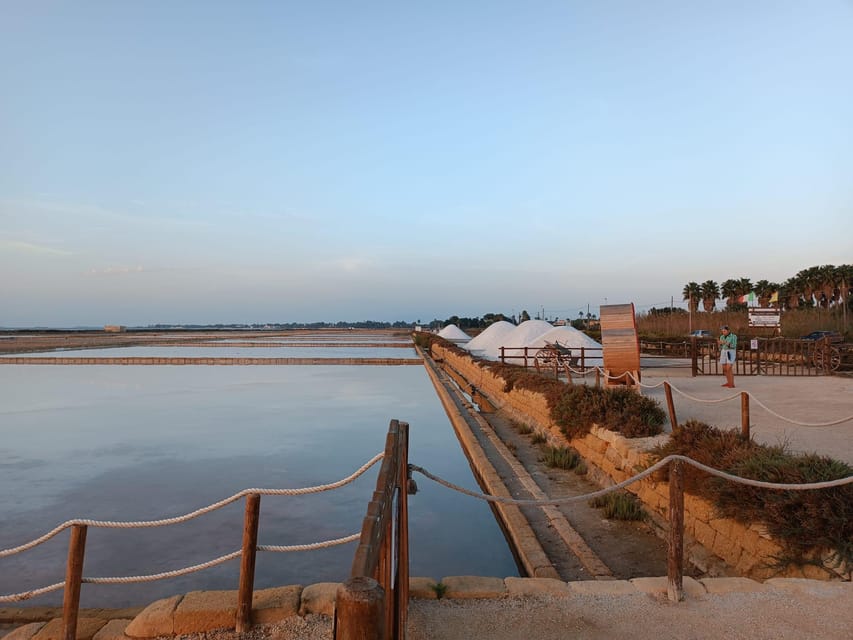
- Spanish-built salt pans from the 15th century: you are touring structures with centuries behind the walls.
- Overlook views toward Stagnone Lagoon: salt tanks are not hidden behind fences, so the scenery is part of the story.
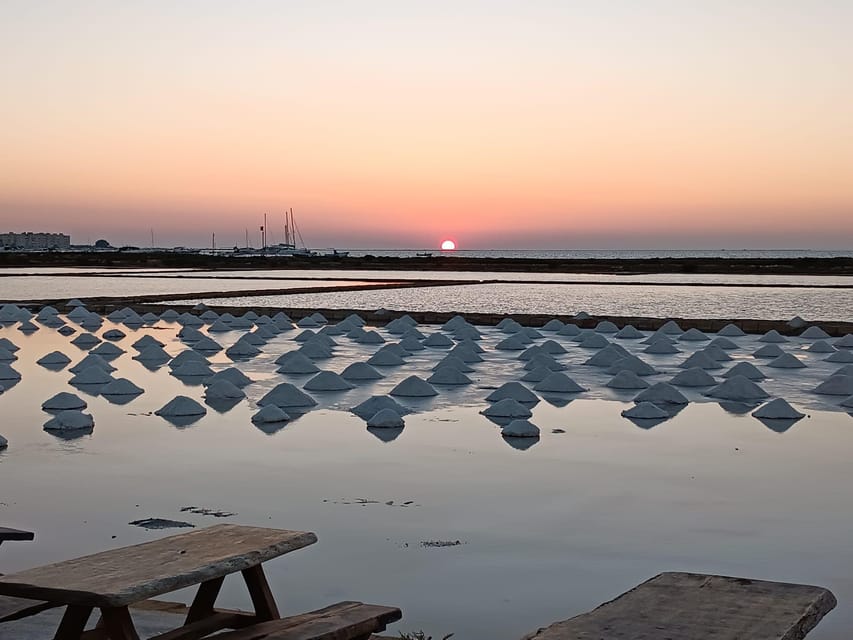
- A full production explanation to crystallization: the guide connects tanks and timing to how salt crystals form.
- Smell-and-weather experience: iodine, sun, and wind are basically part of the tour script.
- Four tour languages: Italian, English, Spanish, and French help you match your comfort level.
- Comfort matters for 45 minutes: a hat, water, and gym shoes make a noticeable difference.
Where the Genna Salt Pans experience starts, and what makes it worth it
Your visit begins at the SALT SHOP INSIDE THE SALT PANS. That matters more than you might think. You are already inside the working area the moment you meet, not wandering through a gift shop first and then trying to imagine salt production later.
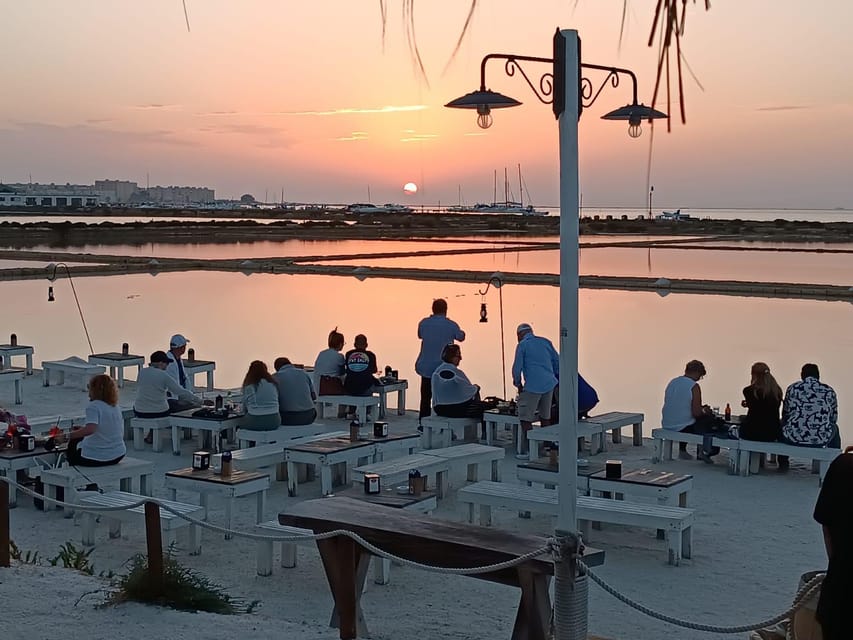
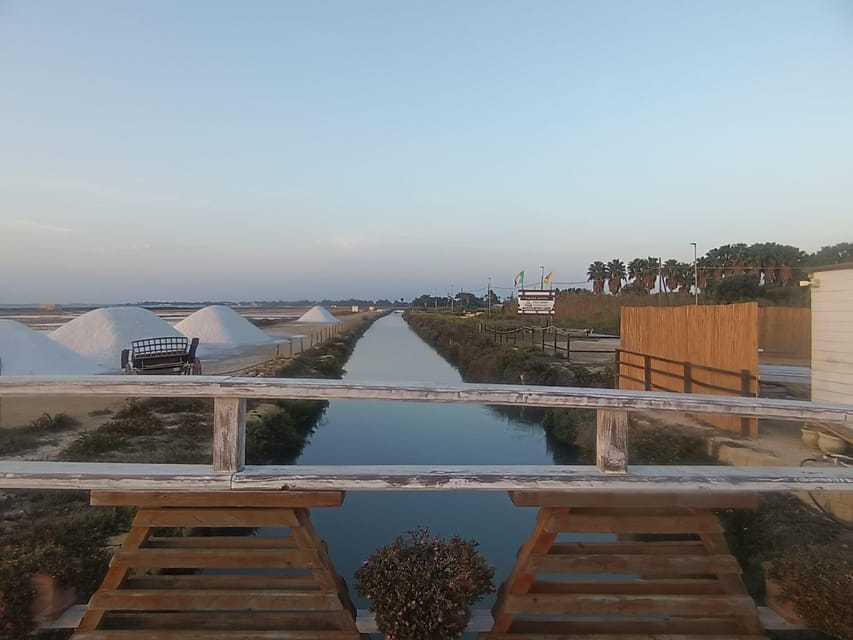
The setting is what sells this tour. The salt pans overlook the Stagnone Lagoon, so the tour is not just about chemistry and process. You get a mix of wide outdoor air and the practical geometry of salt tanks. Even if you are not a salt-nerd, you will feel how the place is designed to capture evaporation and wind.
Also, this is not presented as a museum that freezes the past in time. The pans are built for a process, and the tour explains how that process works. You will hear about the tanks and how water is handled through stages until you reach crystallization, then you can look at the surfaces and think, okay, so this is what they mean by turning seawater into salt.
You can also read our reviews of more guided tours in Marsala
The 45-minute tour format, and what you should expect on the ground
This is a short, guided visit, about 45 minutes. In practical terms, that means you should expect a focused route and a quick pace. There is time to see the pans, listen to the guide’s explanation, and ask a couple of questions, but you should not plan on lingering for long photo breaks.
Here is the flow you can expect once you start:
- You move through the salt pans with the guide, who points out key areas.
- The guide explains how the salt tanks work as part of the production process.
- You follow the idea of salt making through to crystallization, so it all connects rather than feeling like random stops.
Because it is guided, you are also spared the mental work of translating what you are seeing into a process. You do not have to guess what each area is for. The guide does the connecting, and you get to focus on the place itself.
One small mindset tip: if you come expecting an indoor video presentation or big diagram boards, you might feel the tempo is more direct than you wanted. This tour leans on the guide standing with you and narrating what is happening in the pans.
Spanish-built salt pans and the feeling of history that you can actually smell
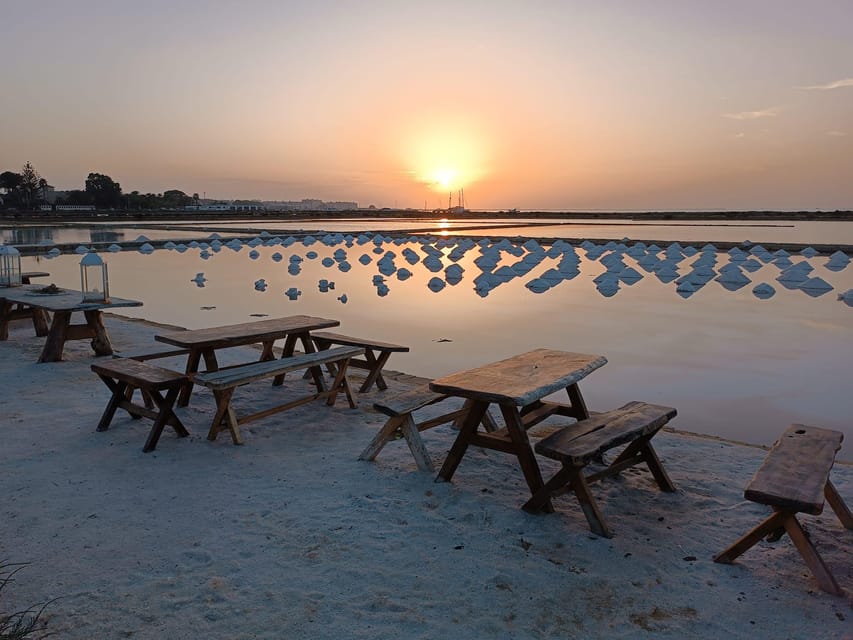
You are touring salt pans built by the Spanish in the 15th century, and that detail changes the vibe. You are standing in an environment shaped long before modern tourism habits. Even if you do not care about dates, the structures and layout help you understand why this area has remained useful for so long.
Then there is the sensory part. The tour is described as an atmosphere that smells of history, enriched by iodine, sun, and wind. In other words, the experience is not only visual. You are literally in the air that salt production relies on, and that can turn a simple walk into a memorable, lived-in kind of place.
It also helps that you can see the lagoon. Salt pans often live behind distance or barriers in other places. Here, the view gives you context, so you can picture water, wind, and sun doing their job in a broader setting rather than feeling trapped in a tank-by-tank explanation.
Understanding the salt-making process, from tanks to crystallization
The big promise of this tour is that the guide shows you how the production process works, from how the tanks operate to crystallization. If you like hands-on explanations, this is where you will get your money’s worth.
What you should listen for while you are walking:
- How the salt tanks are used as part of a staged process
- How water handling fits into the idea of increasing salinity
- How crystallization is the final step that turns earlier stages into actual salt crystals
Even without lab equipment, you can understand the logic. The process is basically about controlling conditions so water changes in predictable ways, then salt forms when concentrations reach the right point. The tour’s value is that you learn the “why” while looking at the “where.”
Now, here’s the fair warning based on feedback I would take seriously: the explanation is spoken, and some people want more visual backup, like a short video, a model, or even clear images or close-ups of the tools involved. If you are that type of learner, come with a question ready. Ask the guide to clarify the water exchange part in simpler terms, and pay attention to how they describe movement between tanks, because that is one of the most important concepts to visualize.
The organic salt angle, and why it matters (even if you do not buy it)
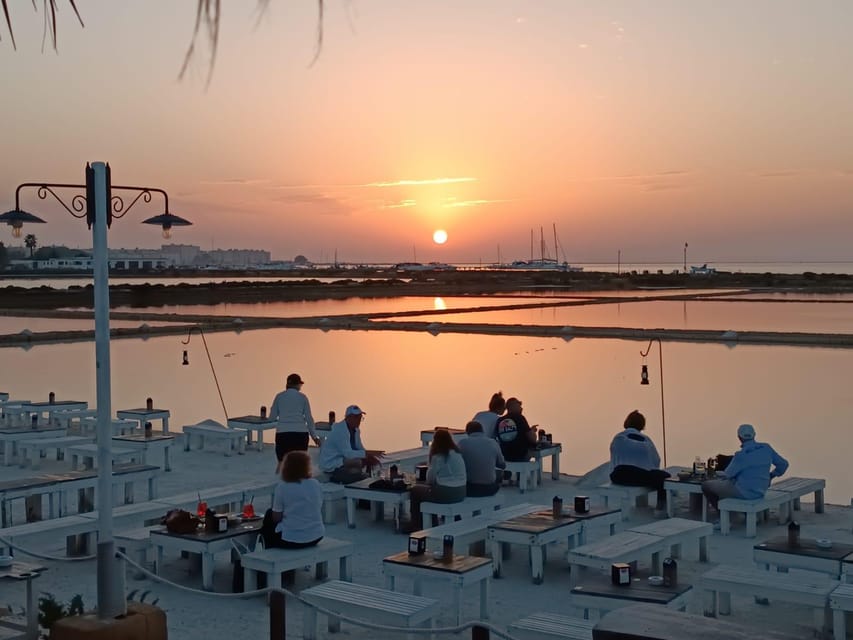
The tour describes this site as the first certified organic salt in Italy. That is not just a marketing line. For some visitors, it means the product is made with a different set of standards and expectations than typical industrial salt.
What you should do with that information:
- Treat it as a reason to pay attention during the tour, not as a reason to tune out. The guide may connect organic certification to how the production is managed.
- Think about your own purchase habits. If you care about what you cook with and where it comes from, this might be a salt you will feel good choosing.
Even if you do not plan to buy salt, the certification detail adds credibility to the tour. It frames the pans as something that is operating under defined standards, not only as a scenic backdrop.


Languages, guides, and the one thing you should double-check
The tour can be done in four languages: Italian, English, Spanish, and French. That is great for visitors who do not want to rely on their second language, and it is one of the main reasons the tour feels accessible for different groups.
Still, here is the practical caution I would give you. If you specifically want French, it is worth confirming on arrival that the guide is actually scheduled to speak French. I have seen a situation where a tour promised French but the guide spoke Italian for a chunk of the experience, and the group left to request a refund. That is exactly the kind of mismatch that can ruin your understanding of a process-heavy tour.
Bottom line: languages matter most when the tour is explaining steps. If you are counting on a particular language, be present early, and if anything feels off, ask immediately before the walk begins.
What to bring and wear in Marsala’s salt-pan sun and wind
This is one of the tours where “small” advice makes the difference between comfortable and cranky.
You should plan on:
- A hat to manage sun glare
- Water, because you will be outdoors
- Gym shoes, because you will be walking on surfaces that can be uneven and hot
Also, follow the rules posted for the site. Bare feet are not allowed, and pets are not allowed (assistance dogs are allowed). Oversize luggage is not allowed either, so keep it light and easy.
If you tend to travel with a bulky day bag, this is your moment to pack smarter. A simple, compact bag helps you move and keep balance when wind and sun are doing their thing.
Group and timing reality: a short tour means focused learning
Because this visit is only 45 minutes, it naturally favors people who:
- Want an efficient experience with a clear narrative
- Like outdoor sightseeing that teaches something in the same breath
- Prefer shorter tours over long museum-style sessions
If you are the type who likes to read every sign and linger at every stop, this tour may feel rushed. The benefit of the short format is that you get the core concept quickly and then can keep exploring Marsala at your own pace.
One more reality check: since the tour is short, your questions might need to be quick and specific. If you are worried about understanding water flow between tanks, ask early. If you wait until the end, there may not be enough time for a detailed explanation.
Price and value: is $14 per person fair?
$14 for a 45-minute guided tour of working salt pans is, in my view, a fair value if you care about understanding how salt production works and you like the idea of seeing old Spanish-built infrastructure in a real working setting.
What you are paying for:
- Access to the salt pans area
- A guide included with the entrance ticket
- An explanation that ties what you see to how salt production progresses
Where the value can feel weaker:
- If you expected a longer visit, lots of close-up equipment, or visual aids like models and videos
- If you are sensitive to language mismatches, because the tour content is process-heavy
So my recommendation on value is simple. If you are curious and you like guided storytelling with an outdoor payoff, you will likely feel the price matches the experience. If you need heavy visuals or a longer time window, you might want to temper expectations.
Who this tour suits best, and who might want something else
This guided salt pans tour fits best if you want:
- A quick, guided introduction to how salt making works up to crystallization
- A scenic walk with lagoon views and a strong sense of place
- A history angle that is practical, not just plaques and photos
You might choose another type of activity if:
- You want a longer, slower paced tour with lots of independent time to wander
- You need more diagram-based learning to understand steps like water exchange
- You are booking specifically for a language that you must fully understand for the explanation
If you are traveling with kids, the tour can work as a science-and-scenery stop, but you should consider that it is still an outdoor production site and has rules. Keep expectations realistic for a short guided experience.
Should you book the Genna Salt Pans guided tour?
I would book this tour if your idea of a great stop is simple: a short guided walk in a real production environment, with salt pans overlooking the Stagnone Lagoon, plus a clear explanation of tanks and crystallization.
But book with smart expectations. It is not a long, visual-heavy workshop. Bring your curiosity, wear gym shoes, and show up ready to listen. And if French (or any specific language) is crucial to your understanding, verify on arrival that the guide will speak it.
If that all checks out, this is one of those Marsala experiences where you actually leave with knowledge and not just a photo. You get to understand salt, see the process, and breathe in the place that makes it possible.
FAQ
How long is the guided tour inside the salt pans?
It lasts 45 minutes.
Where do I meet for the tour?
Meet at the salt shop inside the salt pans.
What languages are available for the guided tour?
The tour guide offers Italian, English, Spanish, and French.
What should I wear or bring for the visit?
Bring a hat and water, and wear gym shoes.
Are pets allowed on this tour?
Pets are not allowed. Assistance dogs are allowed.
Can I cancel for a refund or book without paying right away?
Yes. You can cancel up to 24 hours in advance for a full refund. You can also reserve now and pay later.
More Guided Tours in Marsala
More Tours in Marsala

More Tour Reviews in Marsala
Not for you? Here's more nearby things to do in Marsala we have reviewed



Trapani, Erice & Segesta Tours, compared.
 ★ 4.2From Trapani: Cruise to Favignana and Levanzo with lunchFrom $532,286 reviews
 ★ 4.2Segesta, Erice and Salt Pans Full-Day Excursion from PalermoFrom $821,791 reviews
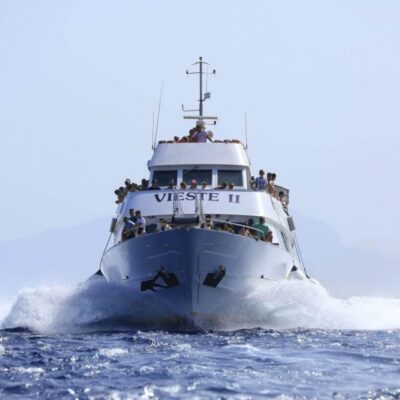 ★ 4.3From Trapani: Day Cruise to Favignana & Levanzo with LunchFrom $461,483 reviews
 ★ 5.0Boat Tour Egadi Day discover Favignana and Levanzo from TrapaniFrom $1391,183 reviews
 ★ 4.2From Trapani: Favignana and Levanzo Mini Cruise with LunchFrom $47814 reviews
 ★ 5.0Favignana and Levanzo, Egadi islands tour by boat from TrapaniFrom $114720 reviews
 ★ 5.0Boat tour to Egadi Favignana and Levanzo islands from TrapaniFrom $102614 reviews
 ★ 5.0Egadi Islands Tour: Favignana and Levanzo from TrapaniFrom $114607 reviews
Browse the lists this tour appears in