
Reviewed · MOUNT ETNA VOLCANO TOURS
Mount Etna: Hike to the top 3400mt from the North Side
Walking on Etna changes your sense of scale. This hike targets the active summit craters with certified volcanological and mountain guides, and you start high at Piano Provenzana. The main catch is you pay extra for the 4×4 ride in cash and, because Etna is active, your exact route can shift if the guide needs to adjust for safety.
I love the mixture here: real altitude work plus a tour-style explanation of what you are seeing. You get guided stops at the crater rim, you learn how Etna formed and how it evolves, and you walk through ground that looks like it belongs on the moon. One consideration is the pace on uneven, sandy volcanic terrain, plus the fact that there is an exposed feel when you approach the crater edges.
This is a 5-hour, small-group style outing (moderately trained hikers only). If you like clear, calm instruction, it helps that guides are trained for both the mountain and the volcano, and one guide named Gino has been specifically praised for his clear explanations. If you have medical limits like heart problems or epilepsy, or you are traveling with young kids, you will want to choose a different Etna option.
Key things to know before you go
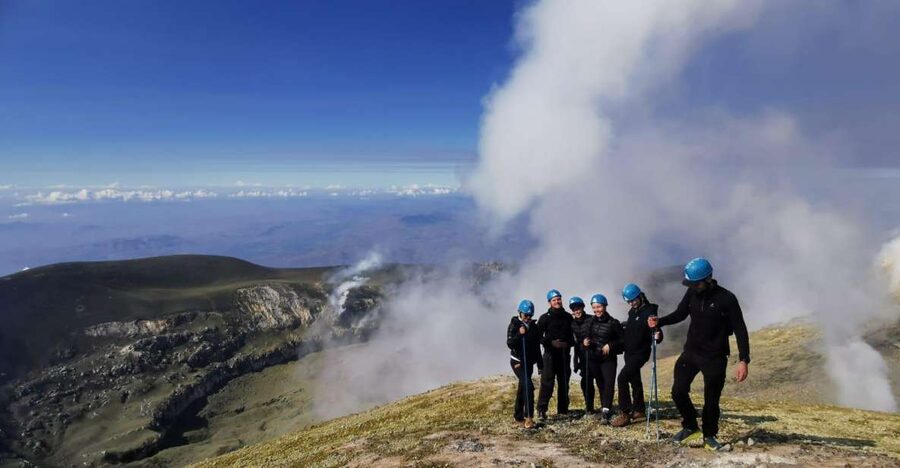
- Aim for 3,400 m and walk along the crater rim in the high Etna zone
- North-side starting point at Piano Provenzana (1,800 m) so you start less than 2 km above sea level
- Volcanological guide + mountain guide approach, with real context about eruptions, gases, and terrain
- Lunar-feeling walking between craters and lava flows, with ash and volcanic slag on the descent
- 4×4 ride is extra (60 EUR per person paid cash on the spot)
- Safety first, route can vary if weather or volcanic risk changes
North Etna’s crater hike, minus the tourist fog
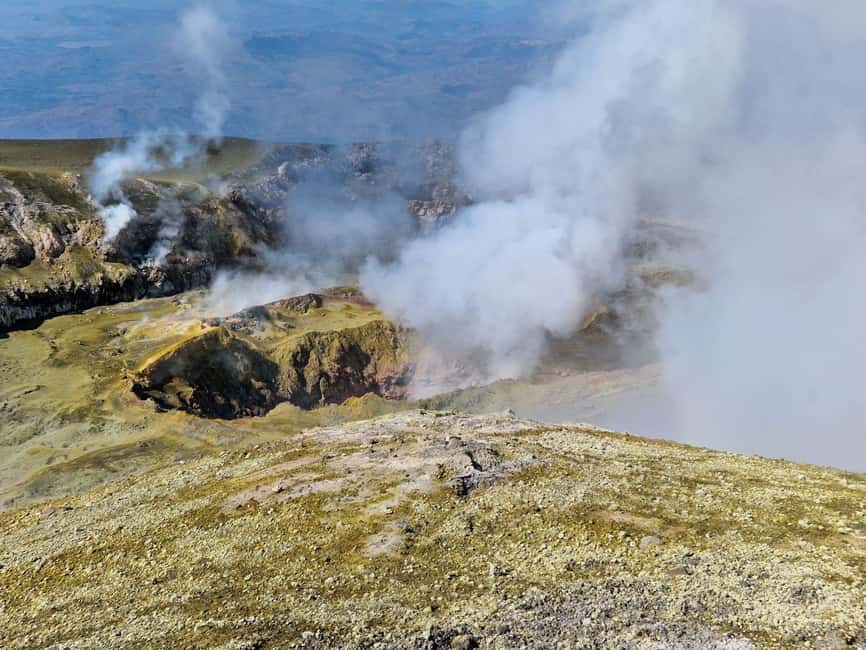
Etna has a way of making Sicily feel bigger. From the north side near Linguaglossa, you do not just look at the volcano, you climb into the active summit area where the ground is still doing its thing.
The big value is the pairing of adrenaline trekking with expert interpretation. You will hear how Etna formed and how it changes over time, and you will connect those lessons to what you can literally see, including gas emissions and volcanic rocks.
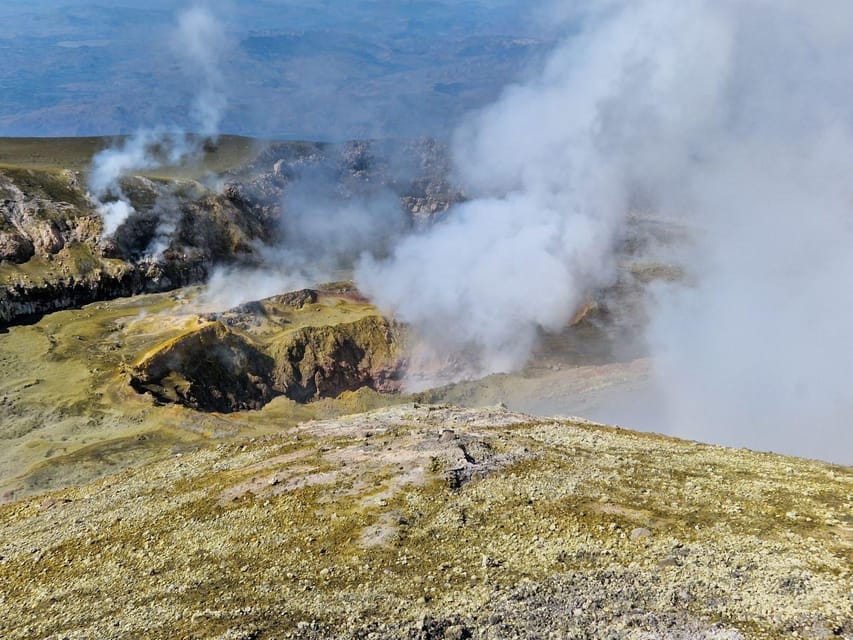
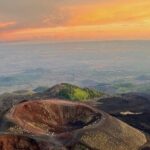
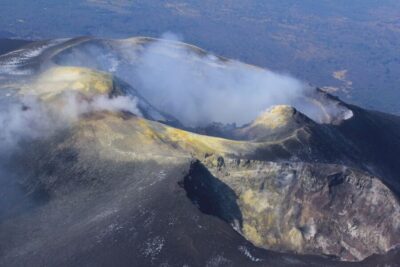
The atmosphere is also part of the appeal. Expect a lunar-style setting between craters and lava flows, with sulfur-related colors and sparkle caused by sublimation of elements on the ground. It is not dramatic in a fake movie way, it is just what high active volcanic terrain looks like up close.
You can also read our reviews of more hiking tours in Catania

How the 5-hour rhythm works: 4×4 plus crater-time
Plan on a full half-day that moves efficiently. The total duration is about 5 hours, with two main walking stretches and two short 4×4 segments.
You start at the meeting point at Ashàra info point in front of Chiosco Bar Mareneve, Piano Provenzana on Etna Nord. From there, a 4×4 or SUV ride gets you from the higher north base area up toward the climb route, then you walk the steep, crater-edge portion.
Your itinerary flow looks like this in real terms: a short vehicle transfer, about 2 hours focused around the Central Crater area, then another 2 hours up near Piano delle Concazze. After the top time, you descend through fine volcanic ash and slag, then do the second short 4×4 return to Piano Provenzana.
Stop 1 and the north-side base: Piano Provenzana does the heavy lifting
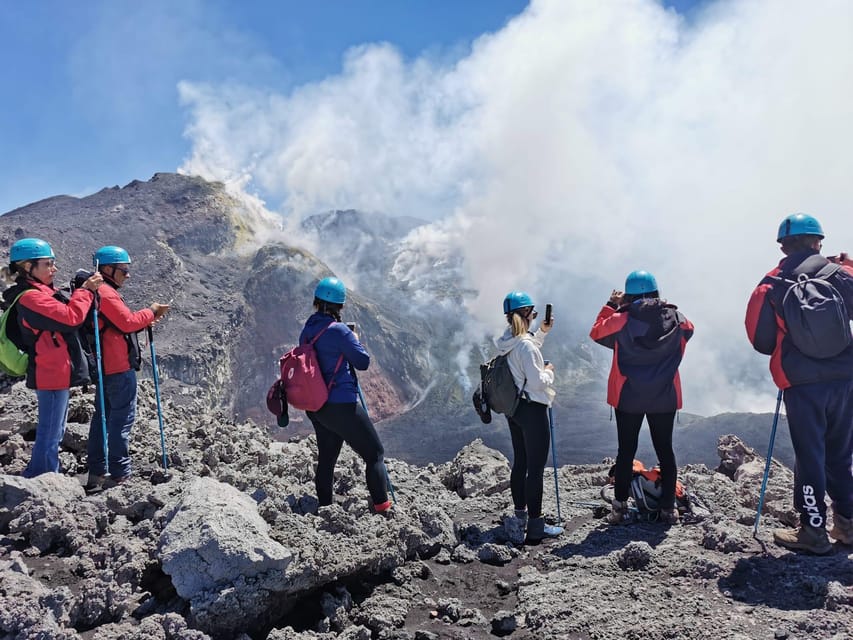
This tour starts where altitude already works in your favor. Piano Provenzana begins around 1,800 m, so the day does not start low and slow like many volcano trips.
That higher start is practical for two reasons. First, you will waste less time just getting up the mountain, and second, you are more likely to feel like you are really in the Etna summit zone during your walking hours.
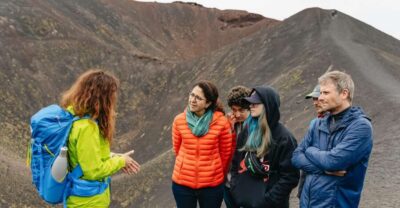
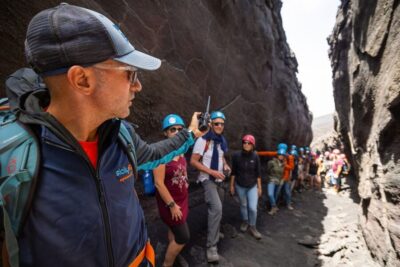
You will also notice the day has a small-group feel. This is built for hikers who can handle uneven volcanic terrain, and the overall structure is designed around staying safe in a constantly changing environment.
Central Crater rim time: science lessons with vertigo vibes
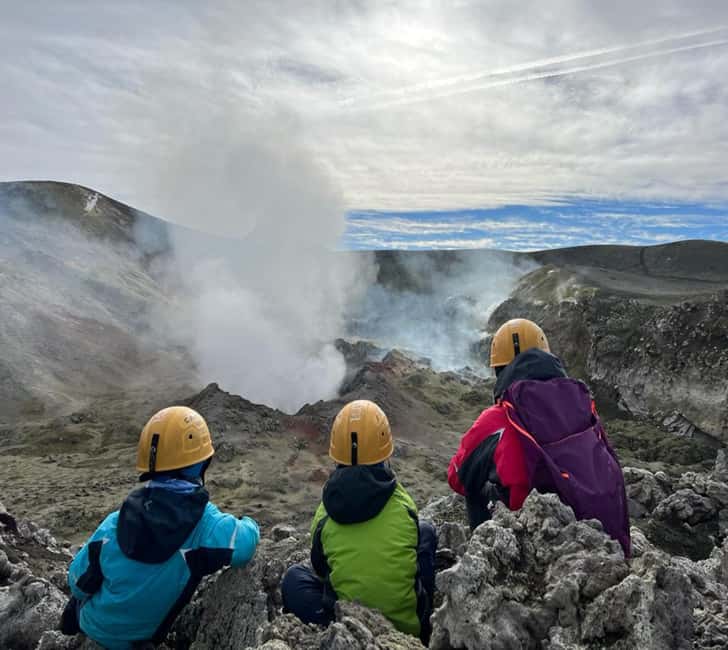
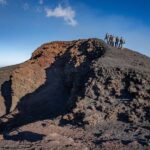
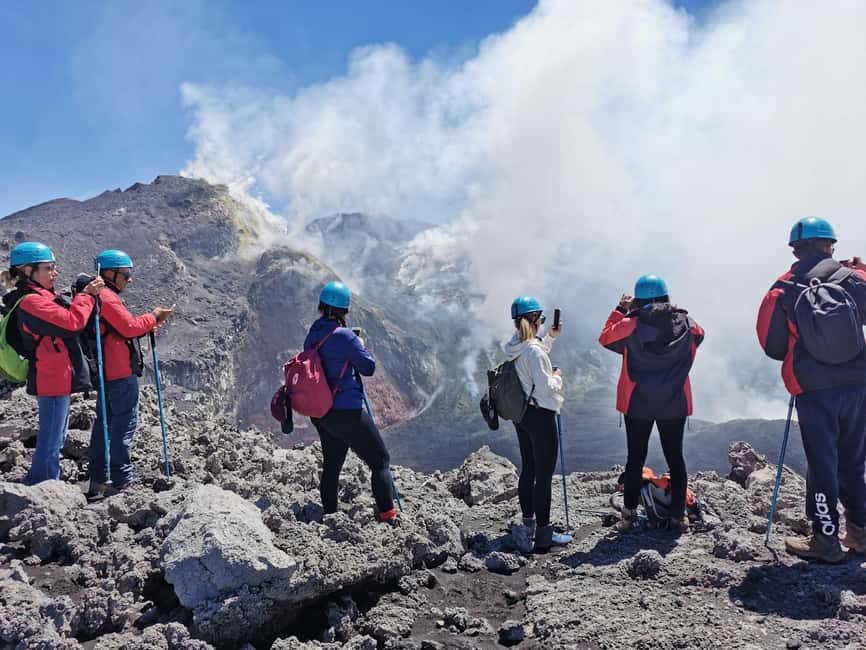
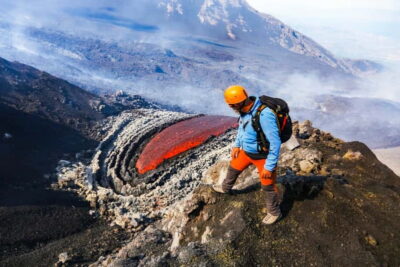
The heart of the walking section begins near 2,825 m, then you head upward to the main crater rim area around 3,320 m. This part is where you feel the “active summit craters” label, because you are not just hiking near Etna, you are walking around the crater system.
At the Central Crater stop, you get a break, photo time, and a guided tour while you move along the rim. You will learn the evolution and history of Etna, and you will connect the geology to the current activity around the craters.
A standout detail is that you face the Northeast Crater, described as vertiginous. Alongside that, you admire the Southeast Crater, known as the source of the most recent and impressive eruptions. That means the guide is not only teaching from a map, they are pointing to what is actively shaping the scene.
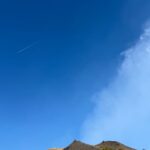
You also get the kind of small, specific volcanic details that make the science feel real. Gas emissions can be part of what you see, and volcanic bombs may appear in the route context. The sparkling ground comes from elements like sulfur, which helps explain why colors on Etna can look so intense.
Piano delle Concazze: where the hike turns lunar
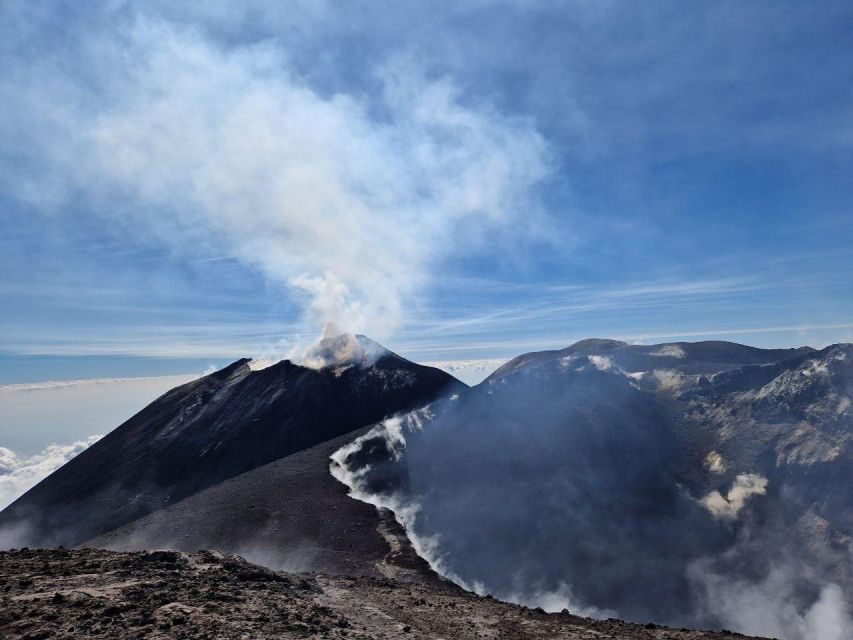
After the crater rim focus, you spend time near Piano delle Concazze. You will be in the walking stretch for about 2 hours here, and this is where the terrain gets especially otherworldly.
If you like places that feel raw, this is your time. The route is described as an extraordinary lunar landscape between craters and lava flows, and you will move through a setting shaped by past activity and ongoing volcanic processes.
This is also when the guide’s explanations can really click. You are not only hearing about eruptions and formation, you are walking through the physical evidence, including ash and slag textures you later see on the descent. That makes the stories stick better than a single photo viewpoint ever could.
And yes, the air can feel crisp at altitude, so it helps that you are prepared to layer up. The tour expects wind and quick changes, and the weather around Etna can turn fast.


The descent: panoramic ash, not a gentle stroll
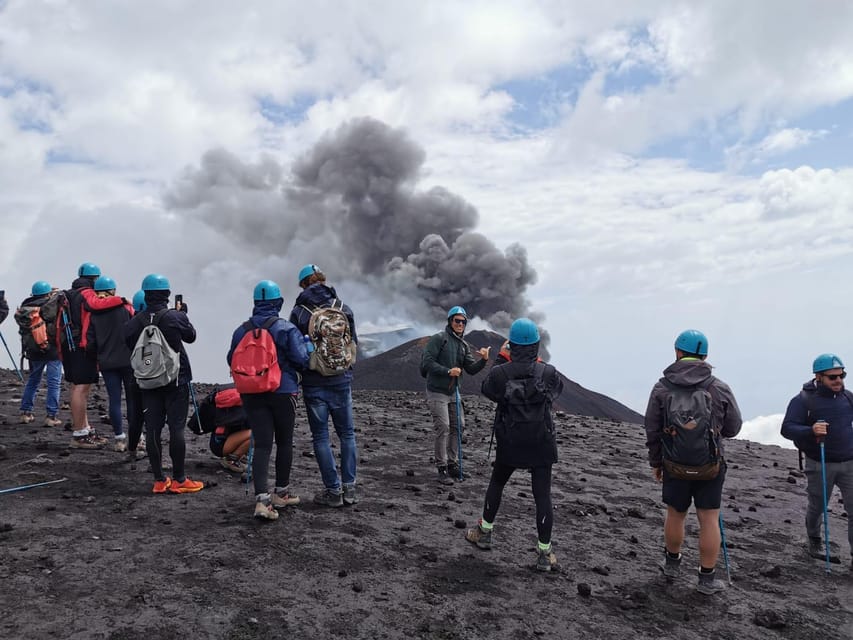
Descent is where many hikes feel long, and this one still looks good. After your top area visit, you come back down on paths with fine volcanic ash and slag, so footing matters.
The good news is that the descent remains panoramic, with views over toward the Sicilian coast. That is not just a nice bonus, it is a mental reset during a physically demanding part of the day.
This is where your trekking technique matters more than speed. If you keep your steps controlled, the terrain becomes manageable instead of annoying, and you can enjoy the big views without rushing.
Safety and guide discretion on an active volcano
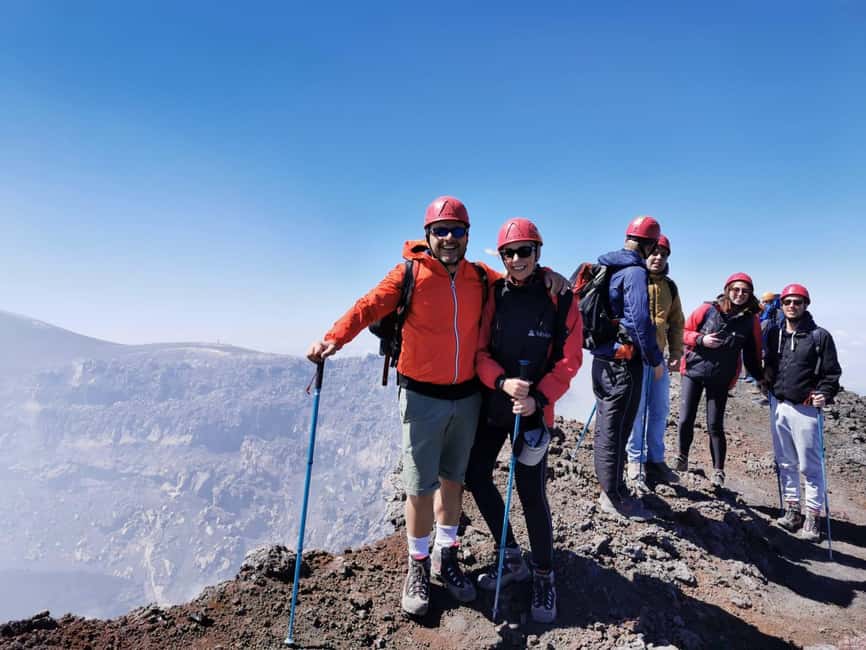
Etna does not run on schedules. Even when you plan for the north-side safe slope, conditions can change, and your guide has discretion to alter the excursion for safety.
That means your day is not a rigid checklist. At the guide’s discretion, variations can happen due to weather, environmental factors, or possible volcanic risks, and the guide may stop the excursion if needed for safety or someone’s physical integrity.
I like that this kind of rule set is explicit. On an active volcano, you want decisions made by trained professionals, not by luck. Guides are also expected to adapt rather than force a plan, and that is the only sensible way to do Etna.
One practical reality from past experiences is that sometimes the north route may not be possible if activity is too high, and the operation may shift to another safer approach. Even so, the core goal stays the same: you go as high as conditions allow, with expert guidance.
Price and logistics: what you pay, what you should budget
The listed price is $67.97 per person, but you should budget for the 4×4 ticket separately. The 4×4 cost is 60 EUR per person, paid in cash on the spot.
So your true all-in cost is closer to about $68 plus €60 in local cash, depending on your currency conversion. Is it worth it? For me, the value comes from what is included: a volcanological or mountain guide, insurance, trekking poles, and helmets, plus hiking boots provided in the kit availability list.
The extra 4×4 is not just a convenience charge. On Etna, the vehicle gets you into a safer climbing corridor and reduces the amount of time you spend on the wrong kind of uphill. You are paying for efficiency and for reaching the climb route at a base altitude that makes the crater rim time actually happen within a 5-hour outing.
Also note what is not included: pick up or drop off from your hotel, and food and drinks. You are responsible for carrying what you need for energy and hydration during the hike and stops.
What to pack: wind, sun, and sandy feet
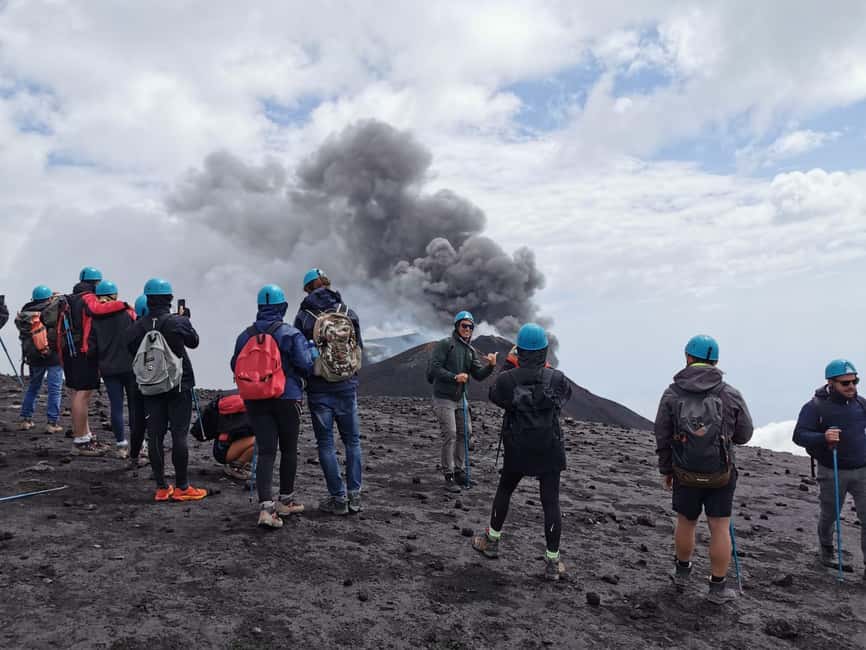
Bring a windbreaker and plan for sun at altitude. The tour asks for a long list for a reason: you are exposed, you walk on volcanic terrain, and the weather can shift.
At minimum, pack:
- windbreaker, jacket, and long pants
- sunglasses, hat, and sunscreen
- socks and proper daypack
- food and drinks
Footwear matters because open-toed shoes are not allowed. The route involves sandy or uneven terrain and ash and slag on descent, so you want boots that fit well and grip.
The good part is gear support. Trekking poles and rock helmets are available for free, and trekking boots are available for free as well. Still, you should bring what you personally need for comfort, especially socks and layers.
Who should do this Etna trek from the north side
This hike is aimed at hikers who are moderately trained and comfortable on sandy or uneven terrain. If you can handle uneven ground, you will enjoy the crater experience more because you spend less time worrying and more time taking it in.
It is not for everyone. It is not suitable for children under 9 years, it is not suitable for pregnant women, and it is not suitable for people with heart problems, epilepsy, high blood pressure, or recent surgeries.
Also, if you know you struggle with exposed edges, you should think carefully. The route explicitly faces the vertiginous Northeast Crater, which can be thrilling for some people and unnerving for others.
Where this tour shines is for readers who want an authentic Etna experience, not a drive-by. You are walking among active summit craters with expert scientific context, and your views include both crater systems and the Sicilian coast.
Quick practical tips before your day starts
You meet at Piano Provenzana near Linguaglossa, so plan your timing to arrive early. The activity starts and ends back at the meeting point, and there is no hotel pick up or drop off.
Wear a wind layer even if the morning seems calm. Etna can feel colder up high, and the crater zone can bring gusty conditions when you least expect it.
And keep cash ready for the 4×4 ticket. Paying on the spot is part of the day’s rhythm, and having it prepared prevents stress at the start line.
Should you book the North Etna summit crater hike?
Book it if you want the active crater experience with expert guidance and you are comfortable hiking on uneven volcanic ground. The value is strong when you consider what is included: guides, insurance, trekking poles, helmets, and boots availability, plus the fact that you still get to aim for the high crater rim around 3,320 m and the summit area up to 3,400 m when conditions allow.
Skip it, or consider a different Etna option, if you have medical concerns like those listed, if you cannot do moderate off-trail style terrain, or if you would rather avoid the exposed crater-edge feel. Also, if you do not want to deal with the extra cash payment for the 4×4, you may find the budgeting annoying.
If you are flexible and you respect safety decisions, this is one of the more meaningful ways to understand Etna firsthand, not just from a viewpoint.
FAQ
How high does the hike reach?
You hike up to the summit area around 3,400 m, with the main crater rim visited at about 3,320 m. You also start from around 1,800 m at Piano Provenzana and climb up to about 2,825 m before the final ascent.
Where does the tour start and end?
It starts at the meeting point at Ashàra info point in front of Chiosco Bar Mareneve in Piano Provenzana on Etna Nord near Linguaglossa. It ends back at the same meeting point.
Is the 4×4 ride included in the price?
No. The 4×4 ticket costs 60 EUR per person and is paid in cash on the spot.
How long is the whole experience?
The total duration is about 5 hours.
What kind of terrain should I expect?
You should be comfortable hiking on sandy or uneven terrain. The descent includes fine volcanic ash and slag.
What equipment is provided?
You can use trekking poles and helmets (rock helmets) for free. Hiking boots are also available for free.
What should I bring for the hike?
Bring a windbreaker, jacket, sunglasses, hat, sunscreen, long pants, socks, a daypack, and food and drinks. Closed hiking footwear is required, since open-toed shoes are not allowed.
Are there languages for the guide?
Yes. The live guide speaks Italian, English, and French.
Who is this tour not suitable for?
It is not suitable for children under 9, for pregnant women, and for people with heart problems, epilepsy, high blood pressure, or recent surgeries.
Is there a chance the tour gets canceled?
Yes. It may be canceled if the minimum number of 4 participants is not reached. The guide can also vary the excursion based on weather and volcanic risks for safety.
More Hiking & Trekking Tours in Catania
More Tour Reviews in Catania
Not for you? Here's more nearby things to do in Catania we have reviewed


Mount Etna Volcano Tours, compared.
 ★ 4.8Catania: Mount Etna Morning or Sunset Day Trip with TastingFrom $704,028 reviews
 ★ 4.7Mount Etna: Guided Volcano Summit Hiking Tour with Cable CarFrom $1243,784 reviews
 ★ 4.8Catania: Sunset Jeep Tour of Mount Etna and Lava Flow CavesFrom $712,113 reviews
 ★ 4.7Mount Etna: Trek to 3000m with cable car and jeepFrom $621,978 reviews
 ★ 4.8Mount Etna: Summit Crater Trek with Cable CarFrom $771,875 reviews
 ★ 4.8Etna and Alcantara Gorges Full-Day Tour with LunchFrom $1051,766 reviews
 ★ 4.3Mount Etna: Roundtrip Cable Car and 4×4 Bus TicketFrom $971,602 reviews
 ★ 4.7Etna Volcano: South Side Guided Summit HikeFrom $671,545 reviews
Browse the lists this tour appears in