
Reviewed · MOUNT ETNA VOLCANO TOURS
Mount Etna: Tour to the Summit Craters by Cable Car
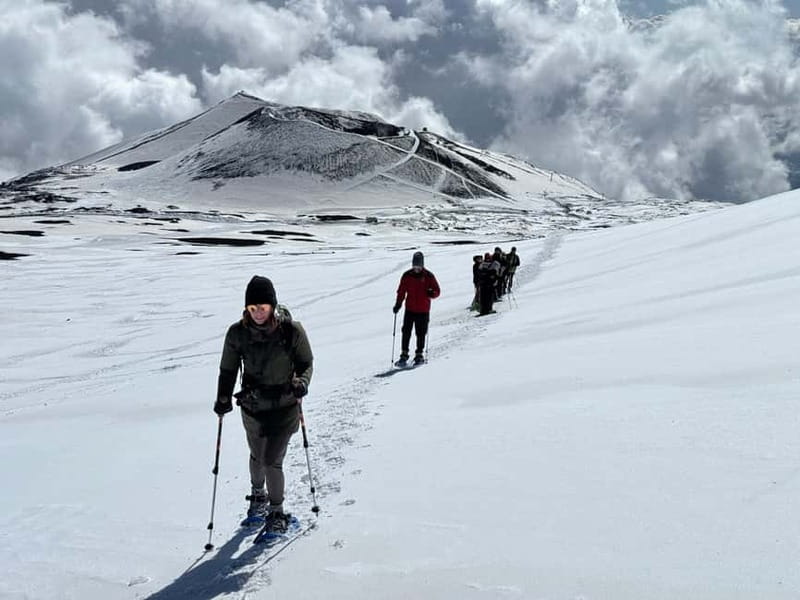
Walking Etna feels like stepping onto Mars. This half-day tour sends you into a volcanic lunar zone, from the summit craters to lava-tunnel and Valle del Bove views. I like the way the day mixes guided science with real physical effort, not just a quick look from a viewpoint.
Two things I really like are the volcanological guide (you’ll get explanations as you walk) and the sense of scale when the route opens toward Valle del Bove. If you end up with a guide like Maximo, you can expect clear leadership and a group fit that actually works for the conditions. One drawback to keep in mind: access can change if Etna is active or weather rolls in, so you should be flexible about exactly how close you get to the craters.
Key Highlights Worth Your Time
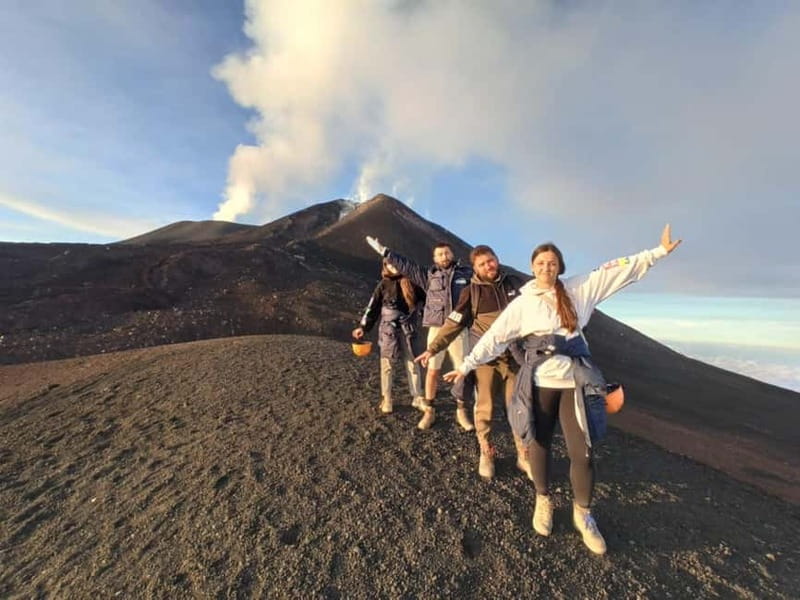
- Summit Crater edge at about 3400 meters, with big 360-degree views when conditions allow
- Lava-flow walking through fresh-looking terrain, plus a lava channel and lateral craters
- Valle del Bove volcanic amphitheater views that feel huge in person
- Central Crater to 2002 eruption craters route, including time crossing crater terrain
- A guided lava tunnel stop, which adds a cool, different feel to the day
- Cable car plus high-altitude travel plan that helps you spend more time hiking than commuting
A Real Etna Day, Not a Quick Peek
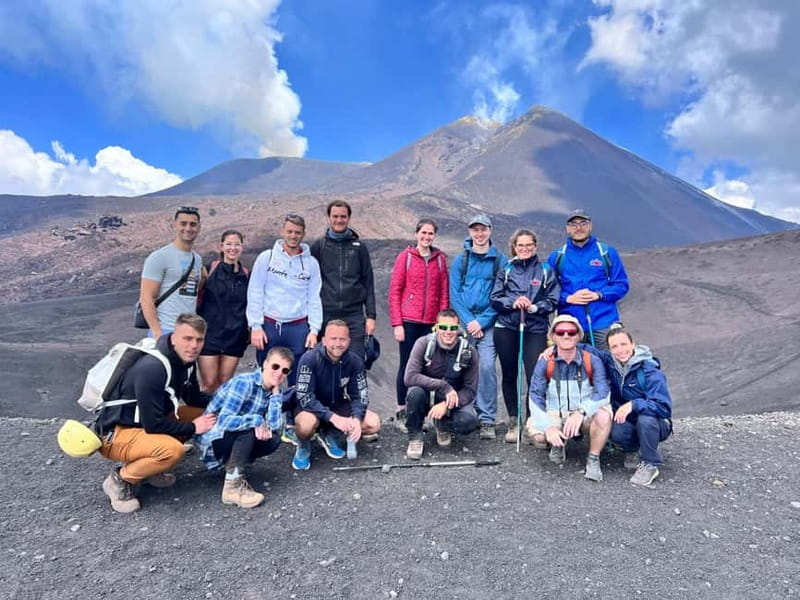
This is the kind of Etna experience that makes you slow down. One minute you’re in “Sicily normal life,” then the next you’re moving across lava and ash terrain under a sky that looks sharper at altitude. You’re not just sightseeing, you’re walking through volcanic features that are still young enough to feel raw.
I also like that you’re not stuck at one altitude for the whole day. You start from the Sapienza area, climb up by cable car, and then continue higher with a special vehicle. That setup matters because your legs do the meaningful part of the work, from the crater edges and volcanic sites onward.
The best part is the combination of walking and learning. You get a volcanological guide, so the “what am I looking at?” questions have answers in plain language. And because you’re inside crater and lava terrain, you see the logic of the volcano, not just its famous outline.
You can also read our reviews of more tours and experiences in Catania.
Getting Up There: Cable Car, Altitude, and Why It Matters
The tour begins around the Sapienza area, with guides meeting you at the offices in Bar Terazza dell’Etna, in front of the Etna South cable car station. From there, the day is built around altitude.
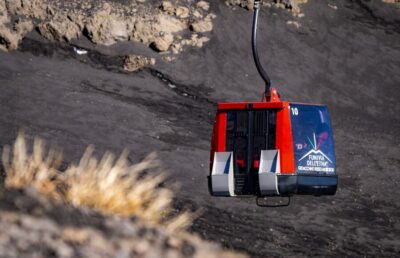
First, you ride the cable car up to about 2500 meters for roughly 15 minutes. Then, there’s a transfer stage using a special 4×4 vehicle through lunar-looking terrain, which brings you to about 2920 meters. This part is short, but it sets the tone: you’re already high before your real climb starts.
Why you’ll feel this in your body: after reaching near 2920 meters, the trek begins, and you climb toward the edge of the Central Crater at around 3400 meters. You’re not doing technical climbing, but you are moving in thin-air conditions. If you tend to get winded at altitude or you’re not used to steady uphill walking, you’ll want to pace yourself early and keep sipping water from the start.
When conditions are right, you can also get sky-open views. The day’s plan allows for the possibility of seeing the Aeolian Islands and broad stretches of northern and eastern Sicily, depending on weather.
Starting at Sapienza: How the Guide Sets the Tone
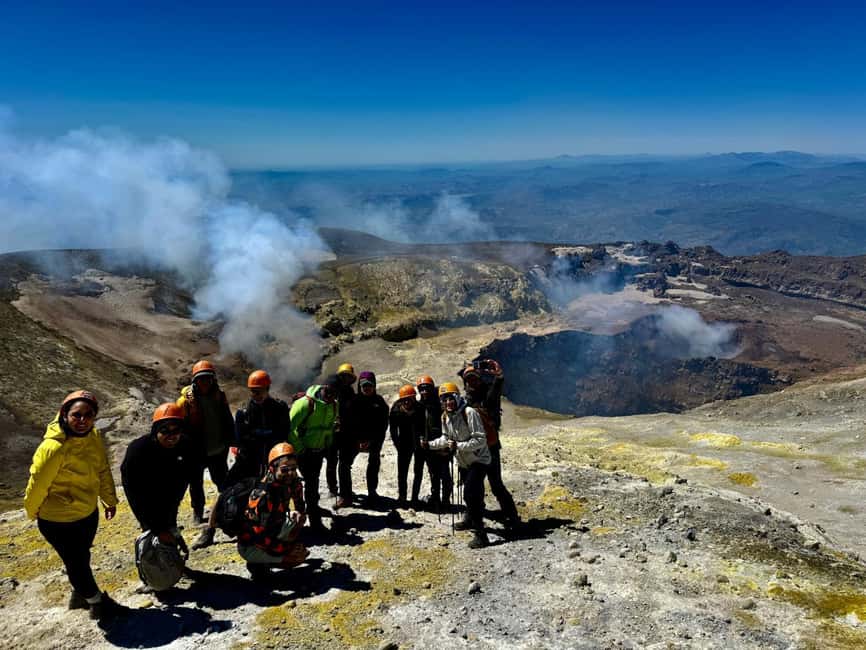
Meeting matters on Etna. You’re high, the terrain is volcanic, and plans can shift fast when the volcano needs extra caution. That’s why having a guide who explains the route before you start is a genuine value.
You’ll begin at Rifugio Sapienza area, with the team guiding you from the Bar Terazza dell’Etna offices area. From there, the day runs in stages, including short rides between walking sections. You’ll spend about an hour in the guided portion on Etna, and the rest of the time is made up of transport links and the walking route itself.
I’d also treat the language setup as a small win: the live guide is offered in English, Italian, and French. If you’re booking and language is important for understanding the science behind what you see, you’ll be glad you can match your guide.
Summit Crater Edge: Views, Weather, and Your Pace
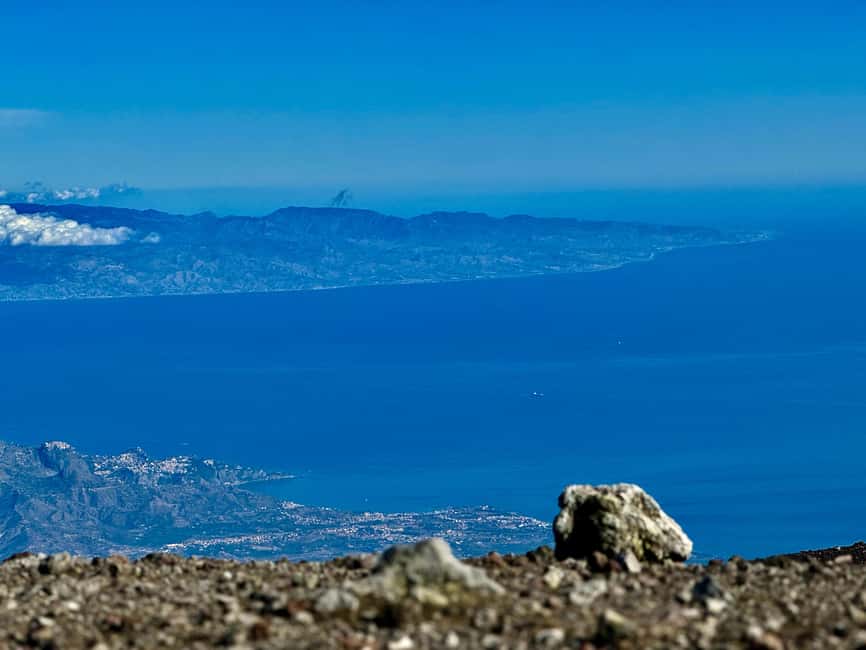
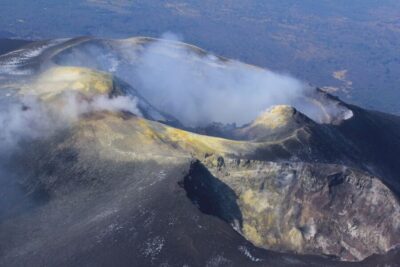
Reaching the edge of the Central Crater is the headline moment. At about 3400 meters, you’re standing at a high vantage point over active volcanic terrain. Even if you’re not a geology nerd, you’ll feel the scale right away.
This is also where weather controls the experience. If visibility is good, you’ll get those 360-degree views, with the possibility of seeing the Aeolian Islands and parts of northern and eastern Sicily. If the weather isn’t cooperating, the trek can still be worth it, but the emphasis shifts toward textures, colors, and the route itself rather than far-off sightlines.
One practical tip for your comfort: go steady. The tour is designed for walking on uneven volcanic ground, so your knees and ankles will notice. Your guide will help you manage the pace, but you still want to avoid sprinting at the start of the crater section. Save your energy for the moments when you’re required to move slowly anyway, like traversing crater edges or shifting footing on lava rock.
Lava Flow Channel and Lateral Craters: Where the Volcano Shows Its Work
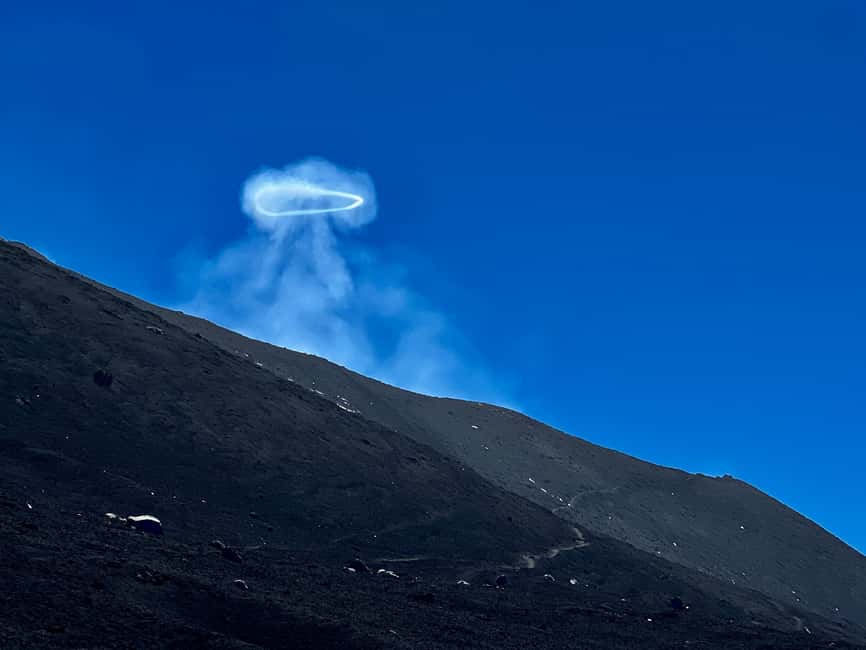
After the summit approach, you’ll move through crater features and lava terrain that make the volcano feel tangible. The tour includes exploring a lava flow channel and the lateral craters. This is the part that turns “Etna as a name” into Etna as a place.
You’ll observe evidence of recent lava flows and terrain transformed by recent eruptions. Even if you’ve seen photos online, your brain changes when you’re standing on the material. Texture matters on Etna. Colors can be subtle. The ground can look smooth from a distance, then reveal sharp details close up.
This section is a big reason the tour rating stays high. People tend to remember the walk itself because it feels like a guided conversation with the mountain.


Crossing the 2002 Eruption Craters and the Lava Tunnel Stop
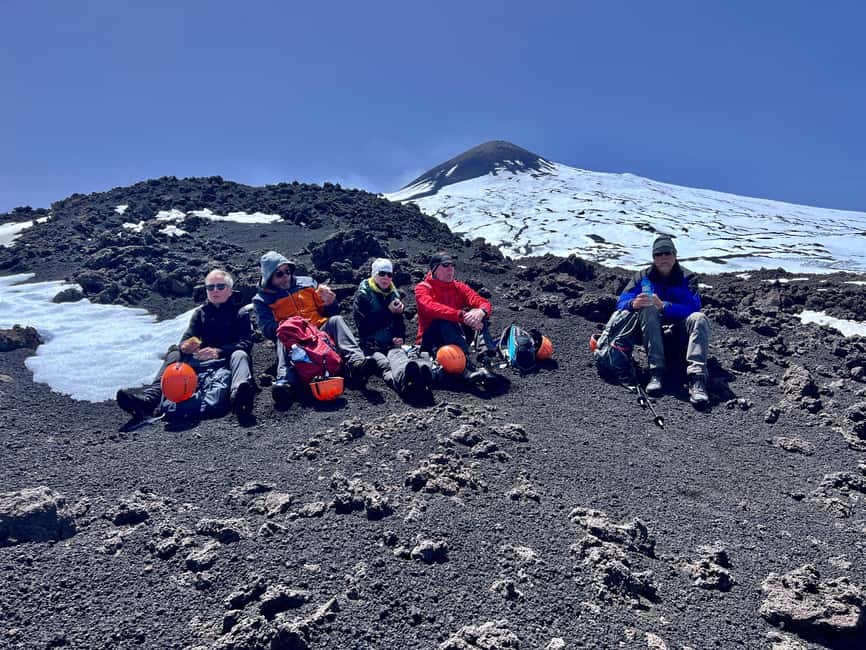
The itinerary includes crossing the craters from the 2002 eruption. That walk through crater terrain is where you start thinking about time in a different way. The volcano isn’t a background feature. It’s part of the route, and you’re moving across the outcomes of events that shaped the mountain.
Then there’s the lava tunnel stop. Walking inside a lava tunnel (as part of the guided program) adds variety. Outside, it’s bright and open. Inside, it’s cooler and enclosed, and your senses shift. It’s also a good “breather moment” mentally, even though you’re still in trekking mode.
If you prefer your volcano experience to be more than “stand and look,” this sequence hits the right notes. You get multiple types of volcanic features in one day, instead of repeating the same kind of scenery over and over.
Valle del Bove: The Volcanic Amphitheater Moment
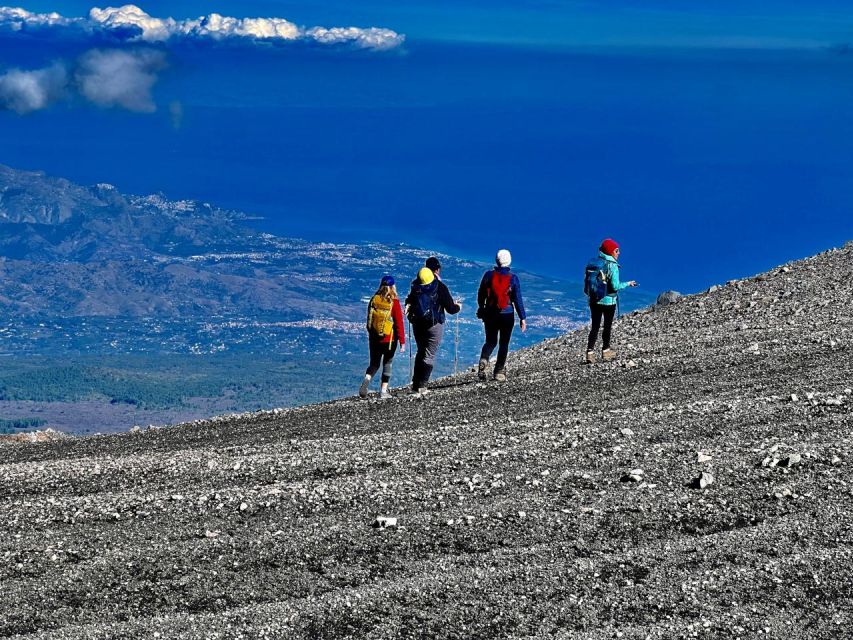
Valle del Bove is one of those places where the terrain seems staged for dramatic effect. The tour includes admiring the volcanic amphitheater view as you progress after the crater sections and lava tunnel.
I’d describe the feeling like this: you look out and your sense of scale gets reset. Crater edges, distant slopes, and the bowl-like shape of the valley make the volcano feel both powerful and organized.
And even though this is a hike, this is also the part where you can pause and just take it in. If the weather cooperates, you’ll likely have a strong view window here. If not, you can still enjoy the “read” of the ground, because the amphitheater shape shows through even in partial visibility.
Gear and Comfort: The Stuff That Keeps You Trekking
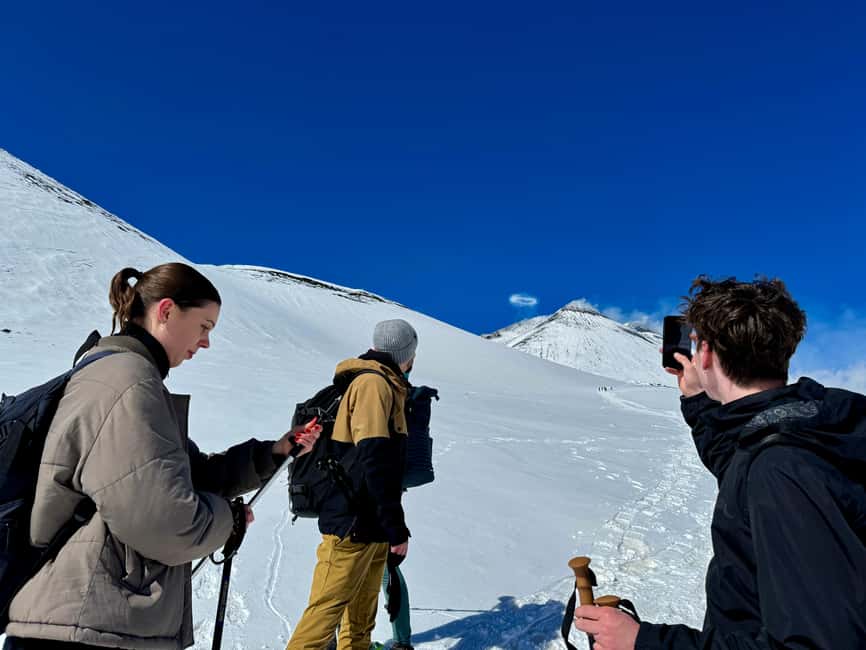
The tour includes some key comfort items: a windbreaker jacket, helmet, and trekking boots. That helps if you don’t want to source gear in advance.
Still, you should bring your own basics:
- Food and drinks (plan for a solid snack and hydration)
- Jacket or warm layer options, since altitude can feel colder than you expect
- Trekking gear, like gloves or a daypack you can move in
- A first aid kit, if you have one you like
I also recommend treating this as a “no shortcuts” day. The ground is volcanic and uneven. Even when the route isn’t technically hard, your footing matters. If you have any issue with slipping or uncomfortable ankle support, consider it before booking.
Also, this tour comes with the not-fun reality check: good physical condition is important because you’re at high altitude. If you get lightheaded easily, or if you’re sensitive to altitude, you should think twice.
Price and Logistics: What You Actually Pay
The listed price is $62.63 per person, and the tour runs for about 5.5 hours (starting times vary by availability). But there’s an important budget detail: the cable car and 4×4 transfer are not included in that base price.
You should expect an additional:
- 65.00 euros per person if the tour goes up from the south side
- 52.00 euros per person for the cable car alone if the itinerary changes
So you’re not just paying the headline number. Your total cost depends on whether the plan follows the standard route or shifts due to volcanic risks or weather. The tour notes that itinerary can change, so your best move is to price it like a “range” day.
On value: you’re getting a certified alpine/volcanological guide, plus safety gear (helmet), warmth support (windbreaker jacket), and insurance. Add in a route that includes lava channel exploration, crater walking, lava tunnel time, and Valle del Bove views, and the guided component is what justifies the money.
One more practical perk: the day includes skip-the-ticket-line access, which helps your timeline.
Who This Tour Suits (and Who Should Skip It)
This is a trekking-focused experience at altitude. It’s a strong match for:
- Active walkers who can handle steady uphill movement
- People who want the science and the scenery together
- Travelers who enjoy volcanic features like lava channels and crater terrain
It’s not suitable for:
- People with respiratory issues
- People with heart problems
- Pregnant women
And even if you’re generally fit, the altitude is still real. If you’re unsure, think about how you handle high-elevation hikes at home. If you usually need breaks due to breathlessness, you’ll likely need even more pacing here.
When the Volcano Changes the Plan
Etna is active. The tour specifically says itinerary may change due to volcanic risks or weather conditions. Sometimes that means you won’t get the exact crater access you hoped for.
What I like is that the operation can adapt. One guide named Maximo handled group needs with flexibility in a real-world situation, and Luca Cosma has also been involved in language and routing adjustments when the original crater access wasn’t possible for the reserved plan.
So, your best strategy is mindset. Book with the expectation that you’re going for a guided volcanic hike on Etna, not a guarantee of one exact summit moment every day.
Should You Book This Etna Summit Craters Tour?
If you want a hands-on Etna day, not a quick viewpoint stop, I think you should book. The mix of summit crater edge, lava-flow walking, a lava tunnel, and Valle del Bove views is a lot to pack into 5.5 hours, and it’s precisely the sort of experience that feels earned.
Book if:
- you can handle high altitude and uneven ground
- you like guided explanations while you walk
- you’re okay with the reality that Etna can shift the route
Skip or reconsider if:
- altitude makes you dizzy or short of breath
- you have respiratory or heart concerns
- you need a fully predictable, weather-proof itinerary
FAQ
How long is the Mount Etna tour to the summit craters?
The duration is listed as 5.5 hours. Starting times depend on availability.
Where do I meet for the tour?
You meet at the Rifugio Sapienza area, at the offices located in Bar Terazza dell’Etna in front of the Etna South cable car station. The activity also notes a free parking place as the starting point.
What’s included with the tour price?
Included are a certified alpine/volcanological guide, windbreaker jacket, helmet, insurance, and trekking boots. Transfers may be available when applicable for an extra cost.
Is the cable car included in the price?
No. The cable car and 4×4 cost 65.00 euros per person if the tour goes up from the south side. If itinerary changes, the cost of the cable car alone is listed as 52.00 euros per person.
What languages are the guides?
The live tour guide is offered in English, Italian, and French.
How demanding is the hike?
It’s important to have good physical condition because the excursion takes place at high altitude and could compromise physical performance. The route includes climbing toward the edge of the Central Crater and walking through volcanic terrain.
Is this tour suitable for everyone?
No. It is not suitable for people with respiratory issues, heart problems, or for pregnant women.
What should I bring?
Bring food and drinks, a jacket, trekking gear, and a first aid kit.
Are alcohol or drugs allowed?
No. Alcohol and drugs are not allowed.
More Tours in Catania
More Tour Reviews in Catania
Not for you? Here's more nearby things to do in Catania we have reviewed

Mount Etna Volcano Tours, compared.
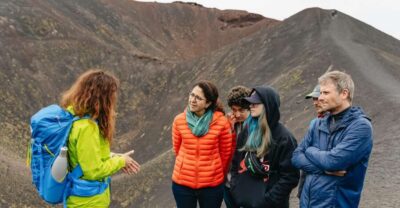 ★ 4.8Catania: Mount Etna Morning or Sunset Day Trip with TastingFrom $704,028 reviews
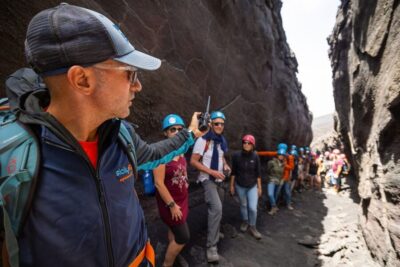 ★ 4.7Mount Etna: Guided Volcano Summit Hiking Tour with Cable CarFrom $1243,784 reviews
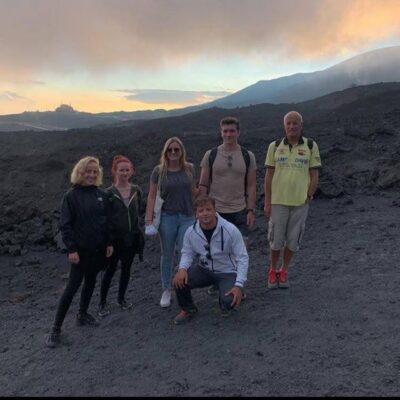 ★ 4.8Catania: Sunset Jeep Tour of Mount Etna and Lava Flow CavesFrom $712,113 reviews
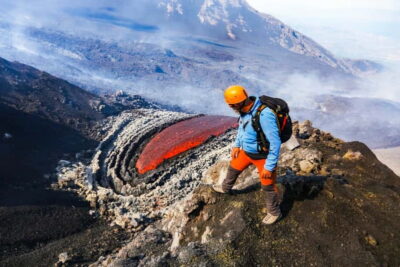 ★ 4.7Mount Etna: Trek to 3000m with cable car and jeepFrom $621,978 reviews
 ★ 4.8Mount Etna: Summit Crater Trek with Cable CarFrom $771,875 reviews
 ★ 4.8Etna and Alcantara Gorges Full-Day Tour with LunchFrom $1051,766 reviews
 ★ 4.3Mount Etna: Roundtrip Cable Car and 4×4 Bus TicketFrom $971,602 reviews
 ★ 4.7Etna Volcano: South Side Guided Summit HikeFrom $671,545 reviews
Browse the lists this tour appears in