
Reviewed · MOUNT ETNA VOLCANO TOURS
Mt Etna: Winter Trekking Tour with Optional Catania Transfer
That black-larch forest on Etna feels unreal. This 3-hour winter trek from Rifugio Sapienza to the Valle del Bove brings panoramic sea views and real access to active-summit drama when conditions allow. I like the way the route mixes quiet volcanic walking with clear, practical explanations from guides such as Alfredo or Alfonso, so you feel steady and understand what you are seeing. One drawback to consider: this is a winter hike at altitude, so if you have health concerns like high blood pressure, you should skip it.
You’ll start around 1850m near Rifugio Sapienza, then hike through sandy ground and the black larch pine forest, before moving toward the southeast crater area, Valle del Bove, and finally the 2001 eruptive fracture and upper Silvestri craters. An optional transfer from Catania can simplify things, and the small-group format keeps the pace human. Overall, it is a smart way to get a strong Etna experience in half a day, without turning it into a long, tiring ordeal.
Key Highlights You Should Care About
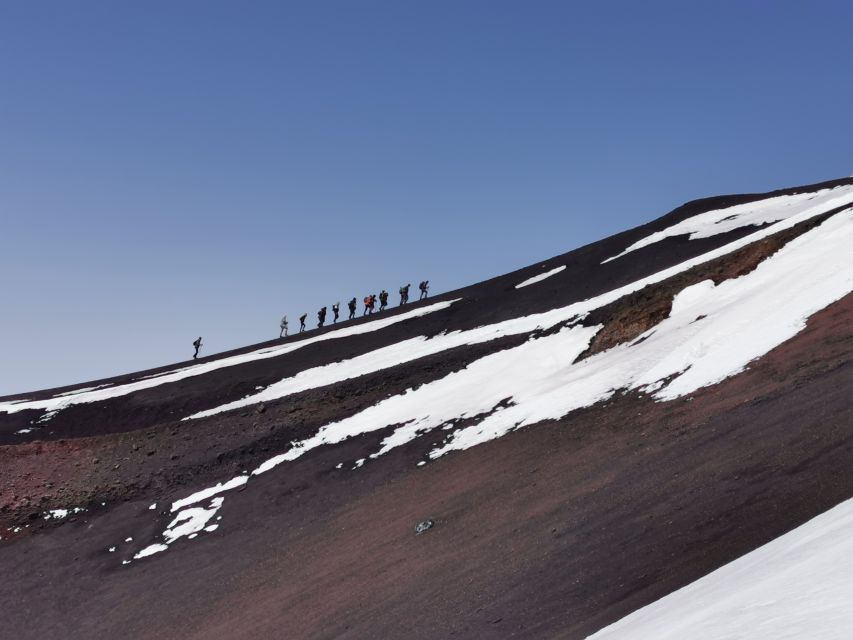
- Big views in winter light, from the Gulf of Catania to the Ionian Sea
- Black larch pine forest plus endemic plants like soapwort and Etna violets
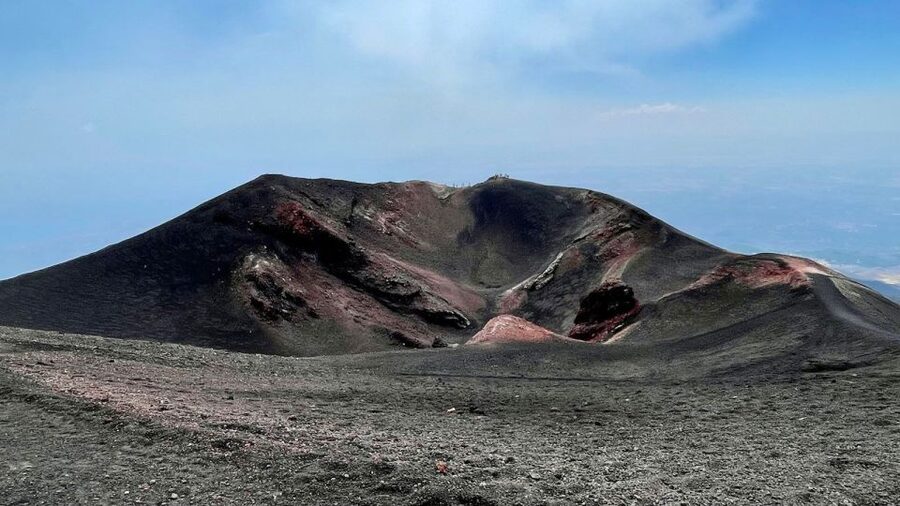
- Southeast crater focus with Strombolian activity and visible crater changes when conditions line up
- Valle del Bove walking, a 10 km by 5 km lava basin that channels eruption flows
- 2001 eruptive fracture at about 2100m, followed by stops around the upper Silvestri craters
Winter Etna From Rifugio Sapienza, The Route That Makes Sense
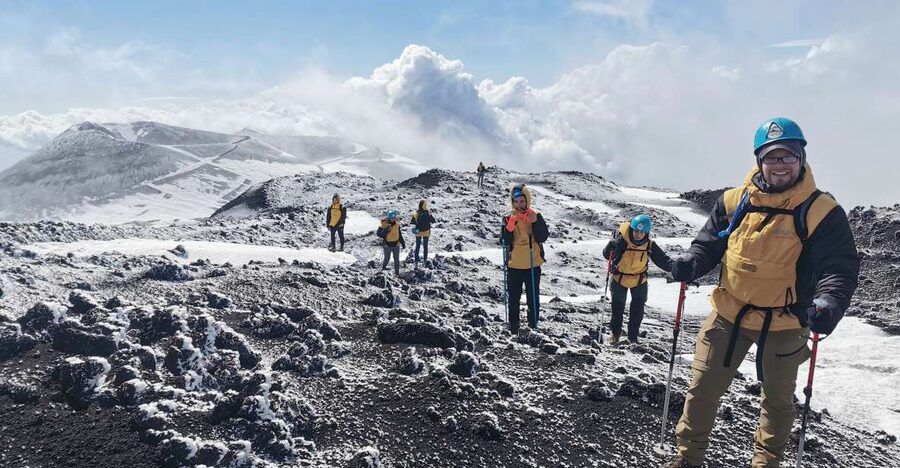
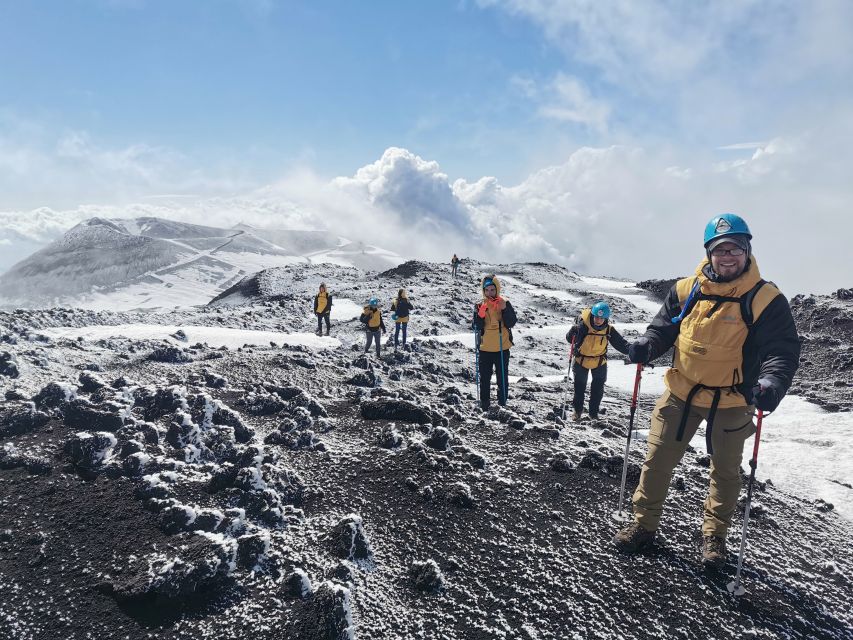
This trek is built for a clear “Etna logic,” not just random sightseeing. You begin near Rifugio Sapienza at about 1850m, which matters because it sets the tone right away: cool air, volcanic ground underfoot, and views that open quickly. In winter, the air is often crisp and visibility can be strong, so the long sightlines toward the sea become part of the experience, not a bonus.
The route starts with a walk along a slope and sandy ground. That might sound plain, but it is a useful warm-up. It also puts you in the right setting to appreciate what comes next, the black larch pine forest and the special vegetation that survives here.
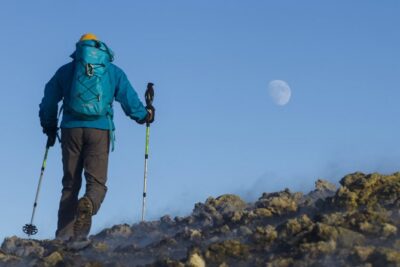
Also, expect that winter conditions are real. The tour provides a wind jacket, hiking poles, and snowshoes, which is a big value point if you do not already own winter gear for the mountains. If you have only ever done city walking, you’ll still be able to handle this one, as long as you follow your guide and dress for cold.
You can also read our reviews of more hiking tours in Catania
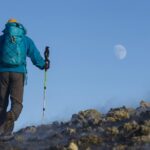
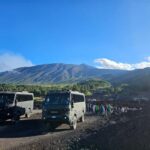
The Gulf of Catania to the Ionian Sea, A View That Changes Everything
One of the best things about this tour is how quickly it gives you the reason people travel to Etna in winter. After you move through the forest and the endemic plant zone, you reach a panorama where you can take in the Gulf of Catania out toward the Ionian Sea.
This is not the kind of view where you just raise your phone and hope. The guide’s job is to help you connect what you see to where you are standing on Etna’s system. You get a better sense of scale: the volcano is not some distant landmark. You are walking on its active surface, and you can see the surrounding terrain that it dominates.
Practical tip for you: winter light can be sharp. Bring warm layers you can adjust, and plan to spend a bit longer than you think at the best viewpoint so your eyes can adapt.
Black Larch Pine Forest and Endemic Plants, Where the Walk Gets Interesting
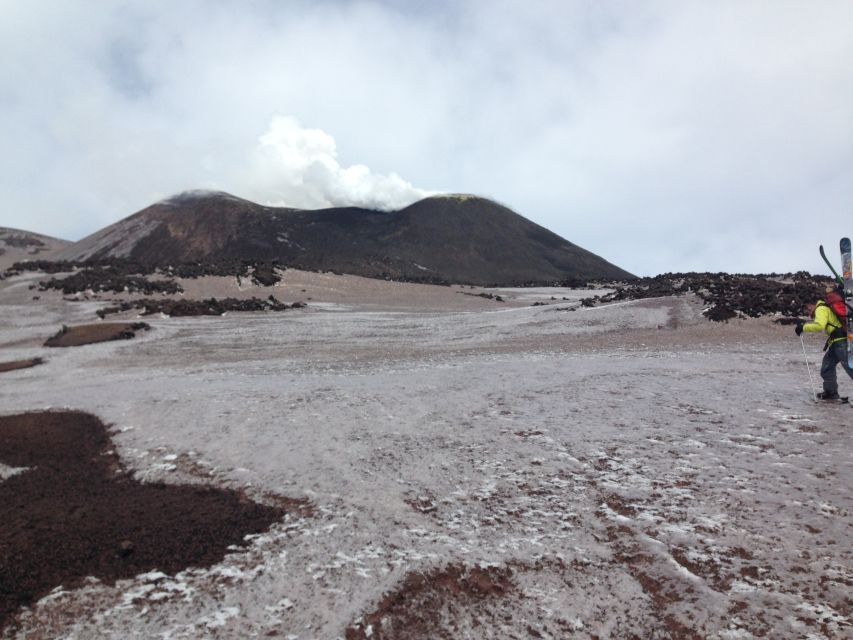
The hike includes a section through a black larch pine forest, and the smaller details make the bigger views feel earned. The area supports endemic vegetation like soapwort, low shrubs, and Etna violets. Seeing these names matters for two reasons.
First, it helps you recognize that Etna’s slopes are not just “rock and ice.” Life adapts to harsh conditions. Second, it gives you something to focus on when the weather or footing is challenging. On a winter hike, having a mental checklist of what to look for can keep things calm and enjoyable.
You’ll also spend time walking through a mix of terrain, including sandy sections. That is normal for Etna trails, and the hiking poles help you stay balanced without turning the walk into a slow, careful shuffle.
Southeast Crater, Strombolian Activity, and Seeing a Volcano in Motion
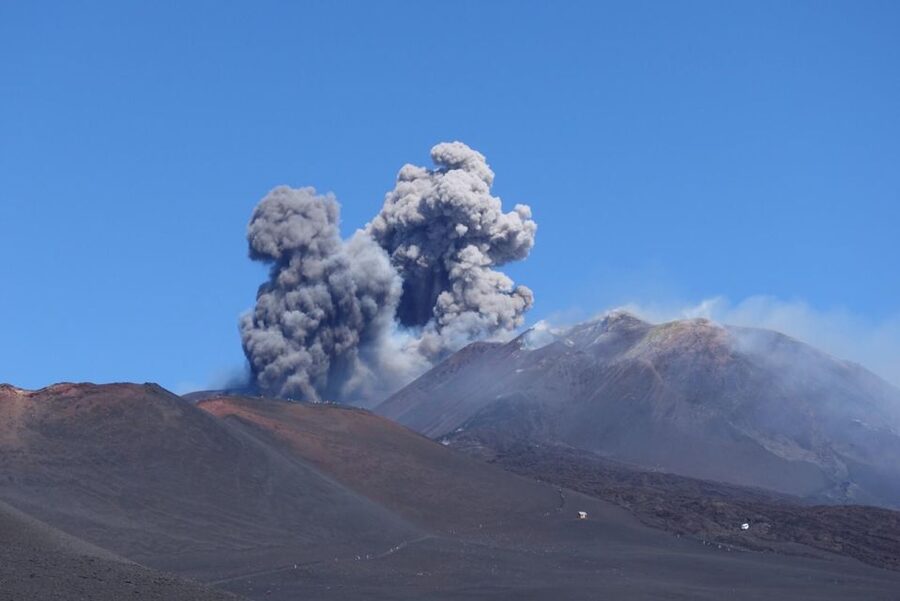
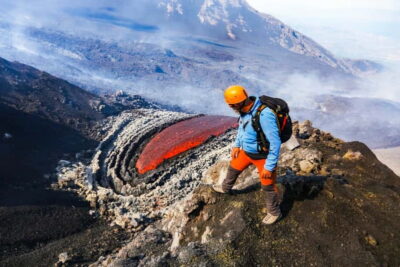
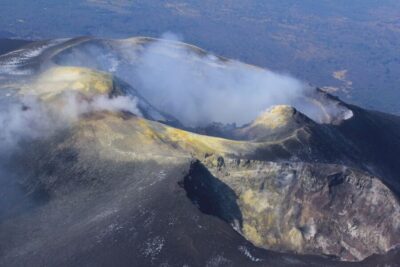
The heart of this tour is the visit toward active summit areas, especially the southeast crater. The goal is not guaranteed fireworks every day. It is more like this: you get in a position where active events at the summit are visible when conditions allow.
The information on recent behavior is specific. In the 2021 period and into the first months of 2022, the southeast crater produced intense eruptive episodes, including Strombolian activity and lava flow that changed the crater’s shape. Even when what you see is quieter on your day, the timing and the guide’s explanations make the area feel alive and relevant.
What I like about this part for you is the balance. You’re not asked to admire a volcano from far away like a museum display. You are walking close enough that it becomes a real-time system, with visible signs of how eruptions reshape the summit. That can be awe-inspiring, but it also stays educational if your guide keeps it grounded.
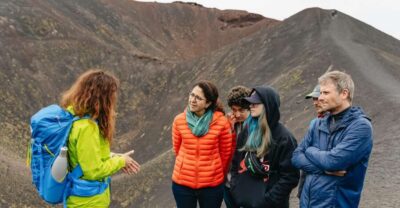
If you prefer structure, pay attention during the guide’s briefing here. They’ll help you understand what you are looking at and what you should not do (like rushing toward edges). This is where a professional, safety-minded guide makes a big difference, and guides such as Alfredo or Alfonso are repeatedly noted for being clear and reassuring.
Valle del Bove, A 10 km by 5 km Lava Basin You Can Walk Along
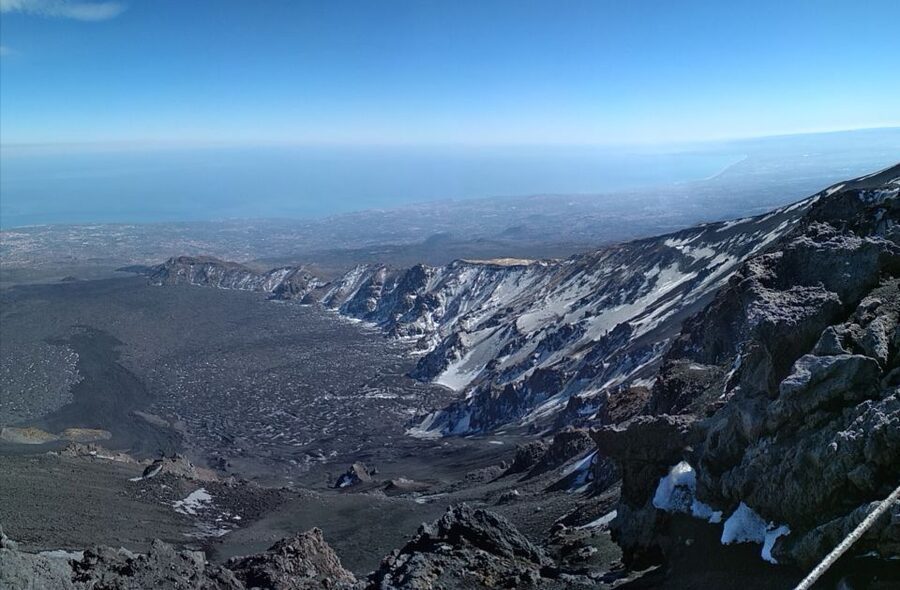
Next comes Valle del Bove, and this is where the tour shifts from “active-summit viewing” to “how Etna protects people.” Valle del Bove is described as a huge basin, about 10 km long and 5 km wide. It contains lava from major and more recent eruptions and acts like a barrier during eruptions.
The practical meaning for you is simple: this valley helps channel lava away from populated areas. You’ll be walking along the south wall of the basin, and that wall viewpoint makes the scale feel real. It’s one of those places where the geology is not abstract. You can see why the valley matters.
There is also a break here. You’ll have a combination of photo time, a guided visit element, and up to about an hour of free time. That is a useful design choice. Valle del Bove can be quiet in winter, and having time to sit and take photos without being rushed makes the whole experience feel less like a checklist and more like a hike.
One consideration: this part can feel long if you freeze up on footing. Use your poles, keep your pace steady, and take breaks when your body asks for them.
More Sicily island tours, Etna days, coastal boat trips, and food experiences to compare
The 2001 Eruptive Fracture at 2100m and Upper Silvestri Craters
After Valle del Bove, the itinerary moves west toward the 2001 eruptive fracture, around 2100m. This is a neat transition because it turns the story from “ongoing activity” into “a specific event you can trace in the ground.” Instead of looking at random rock, you are connecting a dated change to an actual spot on the mountain.
From there, you head toward the upper Silvestri craters before returning to the starting point. The upper Silvestri area gives you another volcanic viewpoint, and it reinforces how the summit system spreads across multiple features, not just one peak.
This is also a good moment to check in with yourself. You may feel the altitude and the winter conditions by now, even on a 3-hour tour. If you start to get tired, that is normal. Keep moving, use poles, and let the guide set the pace.
What the 3-Hour Schedule Feels Like in Real Life
This is a 3-hour experience, so it is a concentrated hit rather than a long expedition. The structure is helpful.
You get:
- A forest and vegetation walk to break the hike into something more than uphill grinding
- A panorama segment that makes the winter timing worthwhile
- A summit-area component focused on the southeast crater
- Valle del Bove time with a real break and photo opportunities
- A final push toward the 2001 fracture and upper Silvestri craters
Because you are not out for a whole day, your biggest challenge will probably be mental pacing. It is easy to want to rush the viewpoints. Don’t. Winter photos look better with slow attention anyway.
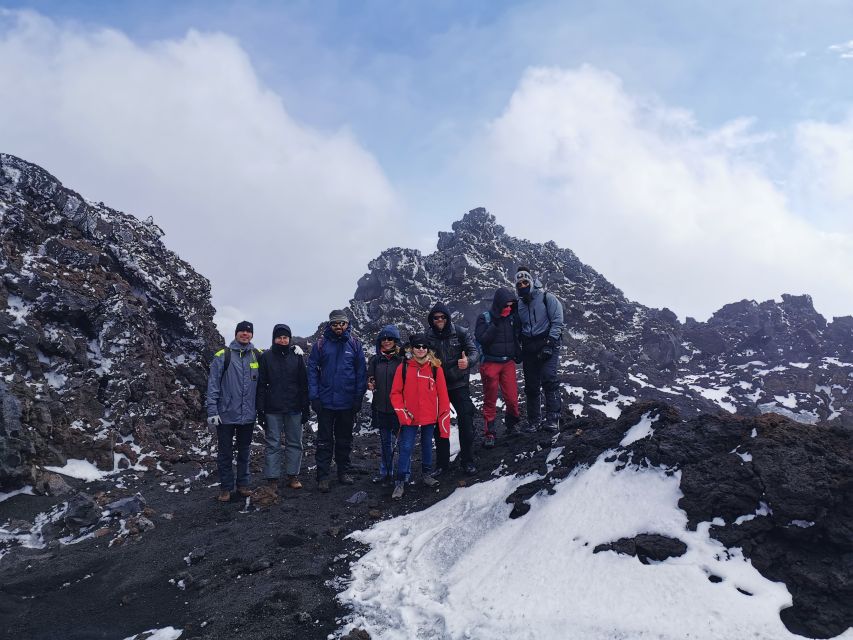
Group size is also a factor. It is designed as a small group, which usually means the guide can keep a close eye on footing and spacing without slowing everyone to a crawl.
Catania Pickup and Drop-Off, How to Decide
If you choose the transfer option, there is hotel pickup and drop-off in Catania. The tour also has two drop-off locations, including Catania and Monte Gebel.
For many people, optional transport is where the value kicks in. Etna logistics can be fiddly when you want to keep the day simple. If you stay in Catania, being able to focus on the hike instead of driving up and down mountain roads is a real advantage.
One detail to plan around: the driver waits no longer than 5 minutes after the scheduled pickup time. That means you should be ready and packed, not still hunting for a layer or searching for your gloves.
Gear Included, What You Still Need to Bring
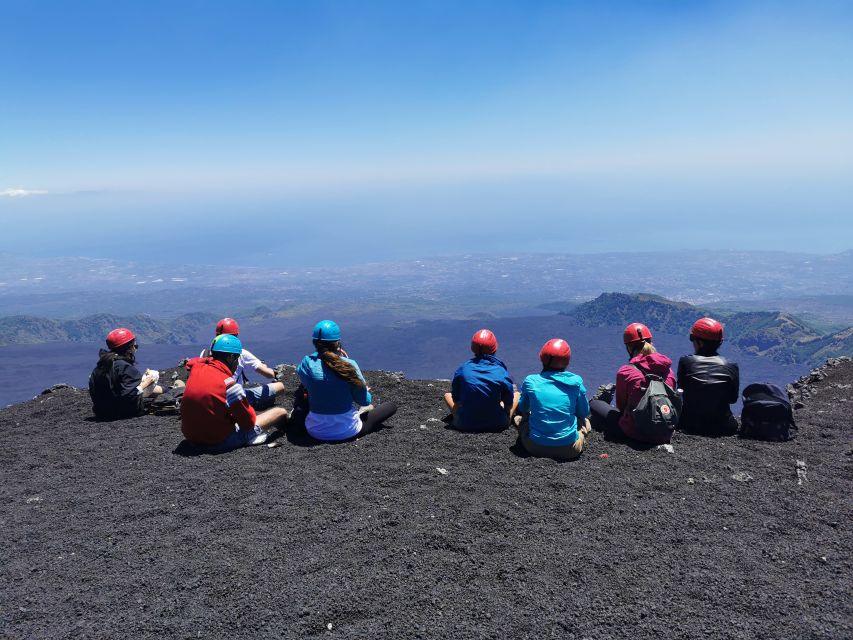
This tour supplies winter climbing support elements:
- Wind jacket
- Hiking poles
- Snowshoes
- A multilingual guide (English and Italian)
What you should bring is simpler:
- Warm clothing
- Water
That’s it. Keep your pack light. On a 1850m start with winter walking, you do not want heavy extras pulling on your shoulders.
If you’re wondering whether you need winter boots or anything more specific, the only confirmed requirement here is warm clothing and water. The provided gear suggests the operator is set up for winter footwear and conditions, but you should still plan to be dressed for cold from the start.
Who This Winter Etna Trek Fits, and Who Should Skip It
This is winter mountain walking. That sounds obvious, but the tour does call out specific limitations.
It is not suitable for:
- Wheelchair users
- Pregnant women
- People with heart problems
- People with high blood pressure
If you fall into any of those categories, you should choose a different Etna experience that suits your health. And if you have any condition that affects blood pressure or exertion, talk with your doctor before agreeing to altitude walking.
On the other hand, the tour seems designed for a wide range of walkers because the guide provides gear support like poles and snowshoes. A strong guide also helps you keep a steady pace, and the experience is repeatedly praised for safety and clear explanations.
Value for the Price: About $58 for a Real Etna Hit
At around $58 per person for a 3-hour winter trek, the value is strongest when you add up what you get on the mountain.
You are paying for:
- A guide in English or Italian
- Included winter gear (wind jacket, hiking poles, snowshoes)
- A route that combines big viewpoints, active-crater context, and the famous Valle del Bove walking section
If you had to rent snowshoes, poles, and buy a decent winter layer on your own, the price can start to look more reasonable quickly. Even if you already own some gear, the guide and the structured route are still the core value.
The one thing not included is food and drinks, so plan to handle that separately. Budget for a snack or drink before or after, especially if you tend to get cold or hungry easily.
Should You Book This Winter Trek?
I’d book this if you want a focused, half-day way to see Etna’s winter character, including panoramas toward the Ionian Sea, a walk through the black larch pine forest, and time in the Valle del Bove area where eruptions are explained with real scale. It is also a strong choice if you appreciate guides who talk through what you’re seeing and keep the group feeling safe.
I’d think twice if you have any health issues listed above, or if you hate winter mountain walking and want a purely scenic, low-effort option. And because there is no food included, make sure you plan your timing so you are not cold, hungry, and rushing at the end.
If that fits your trip style, this is one of those Etna tours that gives you both awe and understanding, in a time window that works.
FAQ
What is the duration of the Mt Etna winter trekking tour?
The tour lasts about 3 hours.
Where does the trek start?
It starts at around 1850m at Rifugio Sapienza.
Is hotel pickup from Catania included?
Hotel pickup and drop-off in Catania are included if you select the transfer option.
What hiking gear is included?
You are provided with a wind jacket, hiking poles, and snowshoes.
What should I bring?
Bring warm clothing and water.
Are meals included?
No. Food and drinks are not included.
Who should not take this tour?
It is not suitable for pregnant women, people with heart problems, wheelchair users, or people with high blood pressure.
More Hiking & Trekking Tours in Catania
More Tours in Catania

More Tour Reviews in Catania
Not for you? Here's more nearby things to do in Catania we have reviewed

Mount Etna Volcano Tours, compared.
 ★ 4.8Catania: Mount Etna Morning or Sunset Day Trip with TastingFrom $704,028 reviews
 ★ 4.7Mount Etna: Guided Volcano Summit Hiking Tour with Cable CarFrom $1243,784 reviews
 ★ 4.8Catania: Sunset Jeep Tour of Mount Etna and Lava Flow CavesFrom $712,113 reviews
 ★ 4.7Mount Etna: Trek to 3000m with cable car and jeepFrom $621,978 reviews
 ★ 4.8Mount Etna: Summit Crater Trek with Cable CarFrom $771,875 reviews
 ★ 4.8Etna and Alcantara Gorges Full-Day Tour with LunchFrom $1051,766 reviews
 ★ 4.3Mount Etna: Roundtrip Cable Car and 4×4 Bus TicketFrom $971,602 reviews
 ★ 4.7Etna Volcano: South Side Guided Summit HikeFrom $671,545 reviews
Browse the lists this tour appears in