
Reviewed · NOTO, MODICA & RAGUSA BAROQUE TOURS
Noto: Sicilian Baroque Architecture Guided Walking Tour
Noto’s Baroque feels like a walking play. This guided 2-hour loop makes the Sicilian Baroque feel readable and real, from the Porta Reale start to the Palazzo Ducezio town hall and into the Cathedral of San Nicolò, known for its warm honey look and grand interior. I like that the tour is built around meaningful stops, not just a scatter of photos.
The only real drawback is the pace, plus a few stair climbs, so bring comfortable shoes and plan to keep moving for the full session.
Key highlights worth your attention
- Porta Reale or Porta Ferdinandea orientation: You start at the historic center gate, so the city layout makes sense fast.
- Church-to-town-hall flow: You see Baroque details in religious spaces, then switch to civic grandeur at Palazzo Ducezio.
- Santa Chiara inside, with stucco and statues: The column work and apostle figures are the kind of close-up craft you miss when you wander alone.
- Cathedral of San Nicolò, the symbol of Noto: Expect the honey-colored stone vibe and an inside visit, not just exterior peeks.
- Via Nicolaci and Infiorata street energy: You’ll walk the area tied to the flower-carpet tradition and see Palazzo Nicolaci’s famous balconies externally.
- A guide who adapts to you: One standout theme in real feedback is pacing adjustments, including shade breaks on warm days.
Entering Noto’s Sicilian Baroque from Porta Reale
Noto’s Baroque does not feel like distant art. It feels like architecture you walk through, with stairways, statues, and showy ornament that change as you move. Starting near the Porta Reale or Porta Ferdinandea gate also helps, because you get the city’s geography in your head early. You’re not just reading a brochure view by view.
You’ll meet the guide under the gate. The licensed guide carries a badge around the neck, so you can spot them without awkward guessing. Then you move into the historic center area with a simple goal: connect the decorative details to why Noto’s Baroque earned UNESCO World Heritage status.
If you’re the type who likes seeing how design choices work in real space, this format is strong. You get a route with stops that actually build on each other, church to palace to piazza, instead of a random stroll.
You can also read our reviews of more tours and experiences in Noto Italy.



S. Francesco and the first climb into Baroque interiors
The tour begins at the Church of S. Francesco of Assisi area, near the nearby Convent of the Holy Savior. Even before you reach the most famous rooms, the early segment matters because it sets the tone for what comes next. Baroque in Noto is not only about facades. It is about the drama of interiors.
From the start, you go up a staircase to see one of Noto’s standout interiors, with frescoes and decorative elements that reward a slower gaze. This is a good moment to remind yourself how Baroque works: the architecture guides your eyes upward and inward. That means your photos will look better, but more importantly, your understanding clicks.
Practical note: this is a walking tour, and early stairs can surprise you if you show up in soft-soled sneakers. You’ll be happier if you keep your shoes truly supportive for a couple of short rises and more than one curb.
Santa Chiara’s stucco columns and apostle statues up close
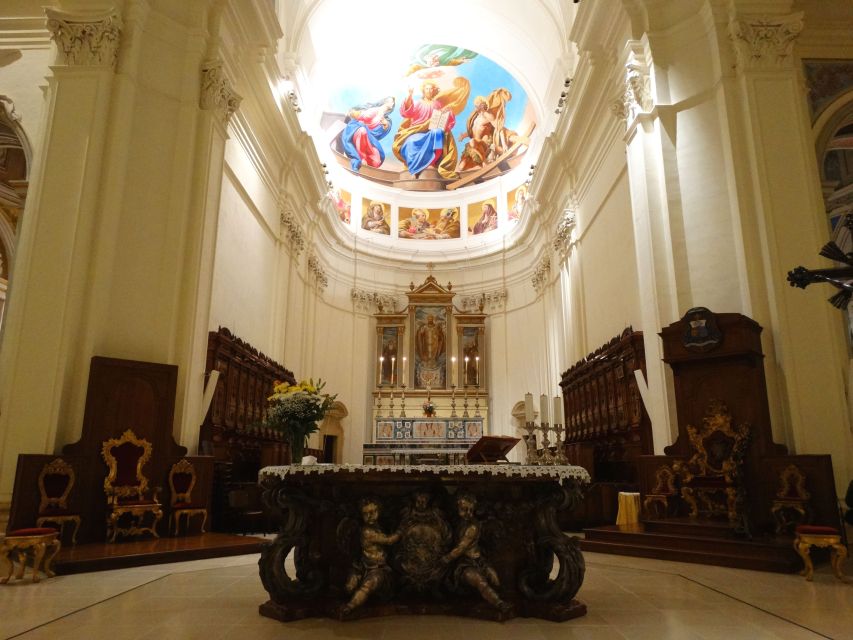
After the first interior experience, you head along main streets to another key stop: the Church of Santa Chiara, located beside a former Benedictine monastery. The appeal here is that you can recognize Baroque style quickly once you’re inside. You get columns embellished with stuccoes, plus statues of apostles and putti.
These details are the kind that are hard to appreciate without context. A guide helps you notice patterns, like how the figures are arranged and how the decoration creates a sense of movement. You also get something practical from this stop: it teaches you what to look for later at the palaces and piazzas.
If you want a more meaningful interior experience without spending half a day in museums, this church stop is a big reason the tour is worth it.
Palazzo Ducezio in Piazza del Duomo: town hall meets illusion
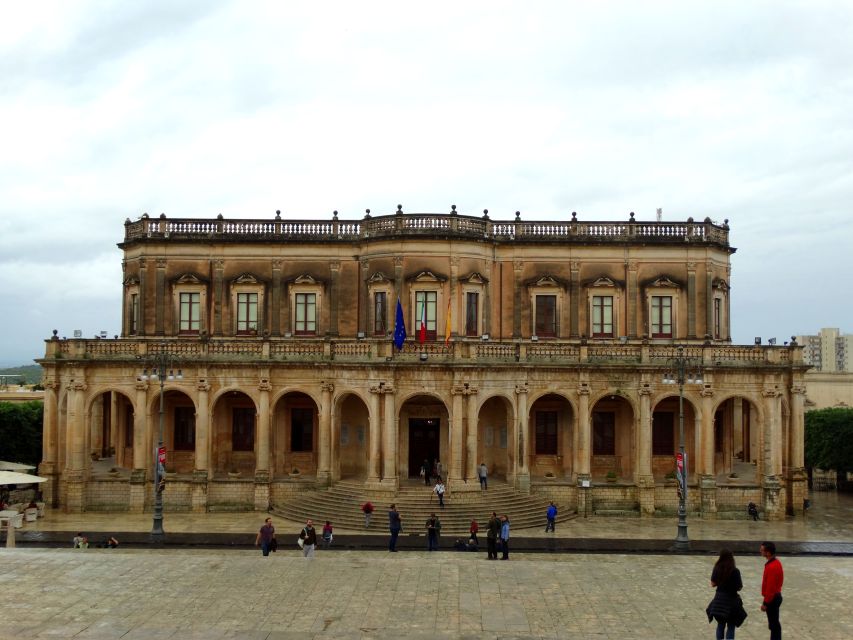
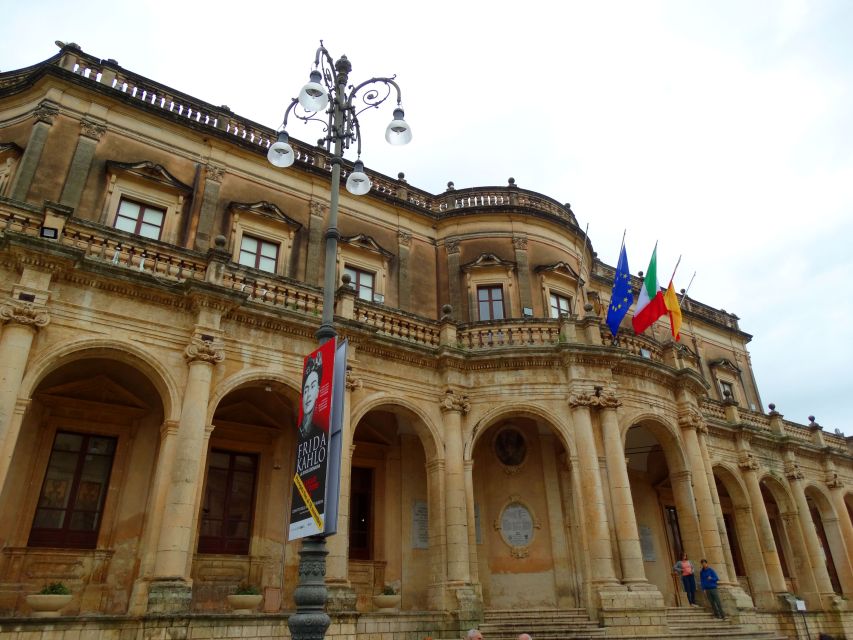
Next comes Piazza del Duomo, where you reach the majestic Palazzo Ducezio, the seat of the Town Hall, built between the 18th and 19th centuries. This is where the tour earns its “walk and learn” label. You’re still in Baroque mode, but the setting shifts from religious devotion to civic identity.
Palazzo Ducezio stands out for the frescoed roof and for its rooms where mirrors create visual illusions that make spaces seem larger. That’s a very Baroque idea, turning light and reflection into a practical trick, not just decoration.
In front of this palazzo, you’ll also see the monumental staircase that leads up toward the Cathedral of San Nicolò. It’s worth taking a minute here, because it sets your expectations. The cathedral is not just another stop. It is positioned like a centerpiece, so you feel the transition as you move.
This section is also a great “photo plus” moment. Even if you don’t care about architecture theory, the staircase and piazza layout make it easy to frame your shots without fighting crowds for angles.
The Cathedral of San Nicolò: honey-colored stone and a rebuilt legacy
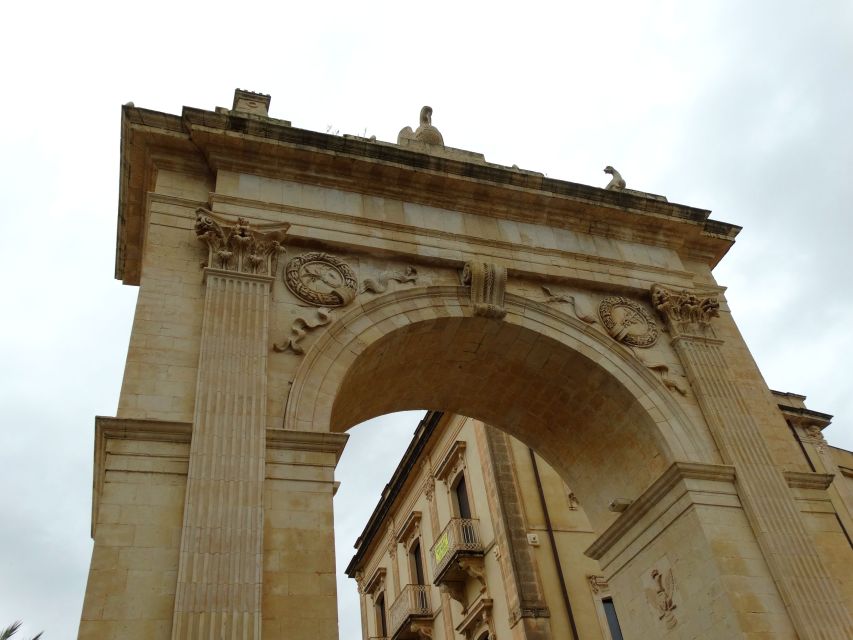
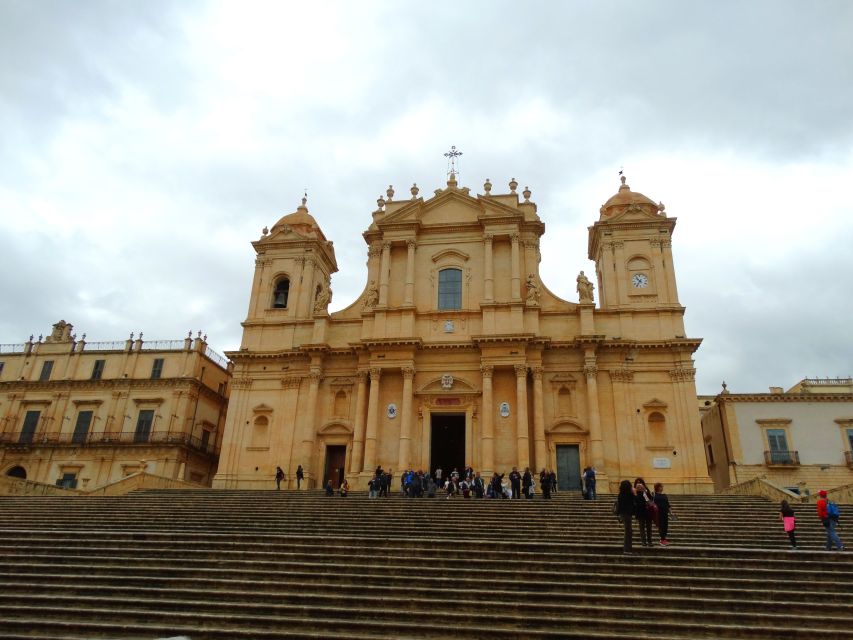
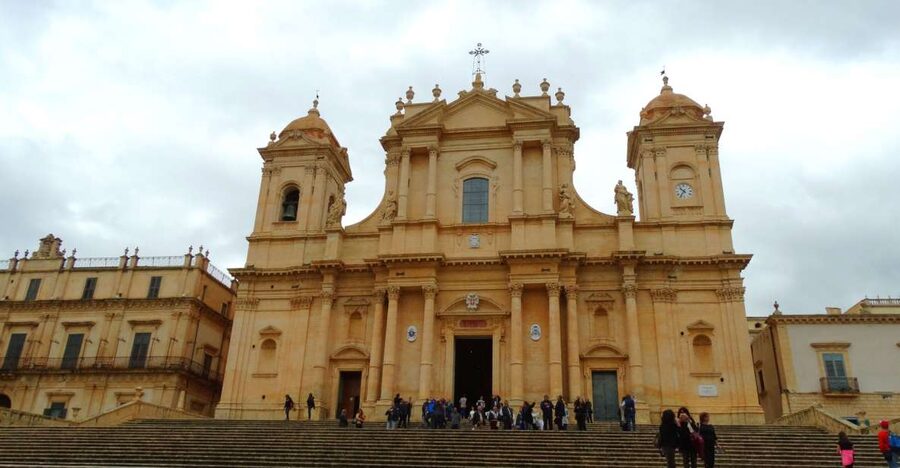
The Cathedral of San Nicolò is the symbol of Noto, and the tour is built to show you why. The honey-colored stone look is especially associated with sunset, but you’ll still get the cathedral’s tone and atmosphere no matter when you go, thanks to the way the exterior leads into the interior.
Inside, you’ll see a building with a history that did not go smoothly. It collapsed three times over time, then was rebuilt. Some frescoes were lost, but the result still feels theatrical and important. There’s also a visual rhythm on the facade with two bell towers, one housing a bell and the other carrying a clock.
A guide’s value is biggest at a cathedral like this. You’re not just looking at a pretty interior. You’re connecting form to story. Rebuilding after collapses changes what you see, so the context helps you avoid thinking the differences are random.
If you care about authenticity and not only aesthetics, this cathedral stop gives you both. You get the classic Baroque effect, plus the human reality of restoration.
You can also read our reviews of more guided tours in Noto Italy
Via Nicolaci, Infiorata street, and Palazzo Nicolaci balconies
After the cathedral, the tour moves you to one of Noto’s most iconic streets: Via Nicolaci. This is tied to Infiorata, the tradition where a carpet of flowers lies across the road. You may not be there during the event itself, but the street context makes the tradition feel less like a vague festival and more like a real part of how people experience the city.
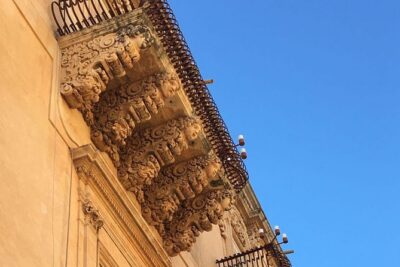
You’ll also visit externally from some of the most beautiful buildings in Noto, including Palazzo Nicolaci. This palace is famous for its balconies decorated on the lower parts with statues, masks, animals, and carved figures in limestone. That’s Baroque in a nutshell: theatrical imagery, crafted stone, and a sense that the building is performing.
One useful way to approach these exteriors is to watch the line of sight. From the street, the details work like a visual checklist. Once you’ve seen the interior stucco and figurework earlier, you can recognize similar design language outside at the palazzo balconies.
This segment is ideal for anyone who wants a “walkable highlights” experience. You’re not sitting. You’re moving through a concentration of standout visuals.
Loggia del Mercato, the Fountain of Hercules, and Tina di Lorenzo
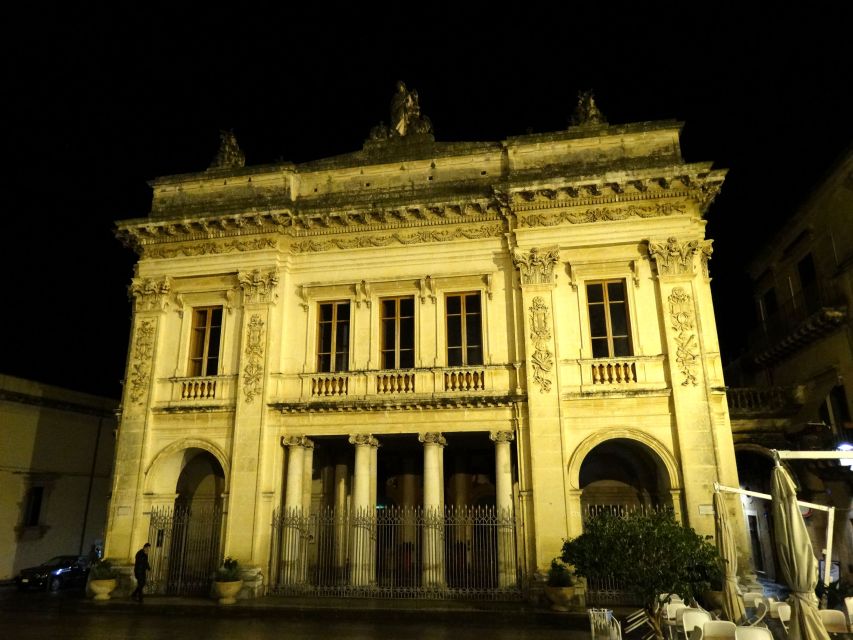
Not all the tour is about churches and grand staircases. You also get a sense of Noto’s public life. The Loggia del Mercato was once the market seat, with a wrought iron loggia. Today it is used for cultural events, which means the building continues to serve a civic role.
Then you’ll reach the marble Fountain of Hercules, built in the 1700s. In many towns, fountains are just background. Here, because it’s linked to the Baroque timeline and central touring route, it works as a quick punctuation mark. You see a different style of artistry, one that belongs in a public square rhythm.
The tour also highlights the Tina di Lorenzo Theater in a neoclassical style. That is smart sequencing. It reminds you Noto’s story is not only Baroque. It also shows how later styles fit into the same urban fabric.
You’ll finish the tour back at the meeting point, so the route stays compact. For a 2-hour format, that matters.
Price and what you truly get in 2 hours
The cost is listed as $346.65 per group, for private groups up to 25 people, with a duration of 2 hours. That pricing might look high at first glance if you think of per-person tours. But the value comes from the fact that you’re booking a licensed guide for your group and keeping the time tight.
In practical terms, 2 hours is enough to cover the major Baroque anchors without wearing you out completely. It also makes it easier to fit into a Sicily itinerary where you may be doing transfers, day trips, or other town visits.
You should decide based on your pace and your interests:
- If you want a guided route through the most important Noto Baroque stops, this format can be efficient.
- If you already know Noto well and mainly want open time to wander, you might prefer to explore independently.
Also, pay attention to the tour feedback theme about guide care. One recurring point is that guides tailor pacing to conditions. For instance, on warm days, the guide makes sure you can stand in shade as often as possible. That kind of small adjustment makes a big difference in a short tour.
Who this private Noto Baroque walking tour fits best
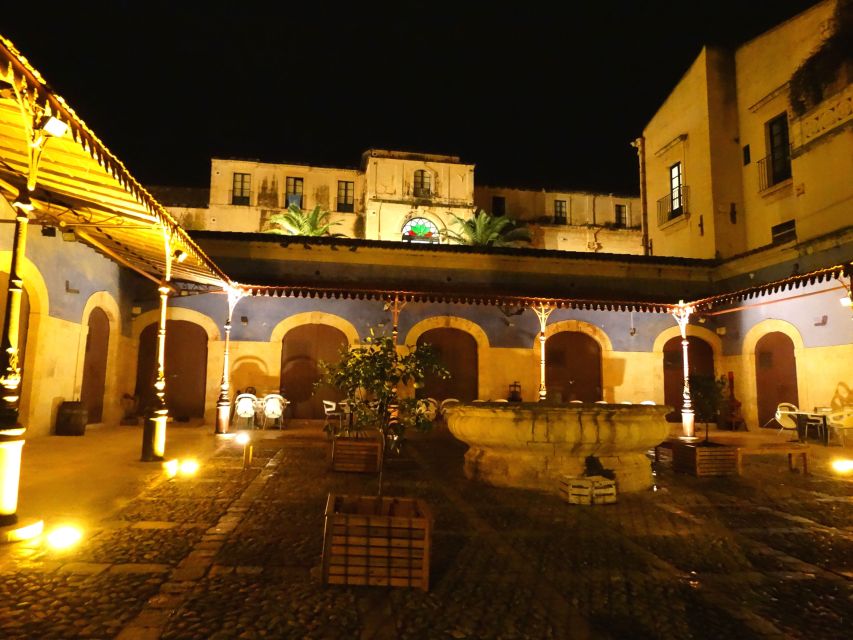
This tour fits best if you like:
- Inside looks at major churches, not only exterior facades
- Architecture details, like stucco columns, statues, and limestone carvings
- A route that connects places into a story of design and identity
- Private group comfort, with the guide able to tailor the pace
It’s also a good option if you’re traveling with someone who wants a structured plan. The starting gate gives clear wayfinding, and the route returns you to the same spot.
If your group is mainly made up of people who love photos and quick stops, you’ll still benefit, but focus on looking closely during the interior moments. Those are the parts that repay attention the most.
Should you book this Noto Baroque walking tour?
Yes, you should book it if you want a high-impact Baroque overview in just 2 hours, with a licensed guide and a route that covers the key Noto anchors: S. Francesco, Santa Chiara, Palazzo Ducezio, the Cathedral of San Nicolò, Via Nicolaci with Infiorata context, Palazzo Nicolaci, Loggia del Mercato, the Fountain of Hercules, and Tina di Lorenzo Theater.
Skip it only if you prefer long, self-paced wandering and you already plan to visit these interiors on your own with dedicated time. Otherwise, the guided storytelling and the thoughtful pacing make this feel like more than sightseeing. It feels like learning how Noto’s Baroque “works” as you walk through it.
FAQ
Where do I meet the tour guide?
You meet the guide under the gate Porta Reale or Ferdinandea, and the guide has a license badge visible around their neck.
How long is the walking tour?
The tour lasts 2 hours. Starting times vary, so you’ll need to check availability.
Is this tour private?
Yes. It is listed as a private group experience.
What is included in the price?
A licensed tour guide is included.
What languages are offered?
The live tour guide is available in Italian and English.
Which sites are included in the route?
The tour includes visits and stops around Porta Reale or Ferdinandea, the Church of S. Francesco, Palazzo Ducezio, the Cathedral of San Nicolò, Via Nicolaci and Palazzo Nicolaci (external), Loggia del Mercato, the Fountain of Hercules, and the Tina di Lorenzo Theater. It also includes a visit connected to the Church of Santa Chiara.
What should I bring?
Bring comfortable shoes and comfortable clothes.
What is the group size for the listed price?
The price is per group up to 25 people.
Can I cancel or pay later?
The tour offers free cancellation up to 24 hours in advance for a full refund, and you can reserve now and pay later.
More Tours in Noto Italy


More Tour Reviews in Noto Italy
Not for you? Here's more nearby things to do in Noto Italy we have reviewed

Noto, Modica & Ragusa Baroque Tours, compared.
 ★ 4.6Catania: Syracuse, Ortigia, and Noto Tour with BrunchFrom $112404 reviews
 ★ 5.0Syracuse, Ortigia and Noto walking tour from CataniaFrom $129273 reviews
 ★ 4.7From Catania: Neapolis of Syracuse, Ortygia, and Noto TourFrom $130234 reviews
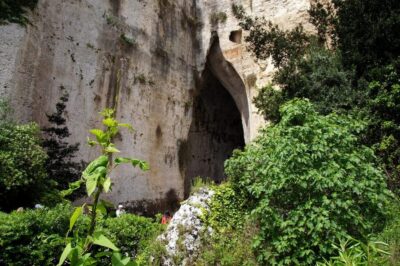 ★ 3.9From Catania: Syracuse, Ortygia, and Noto Tour140 reviews
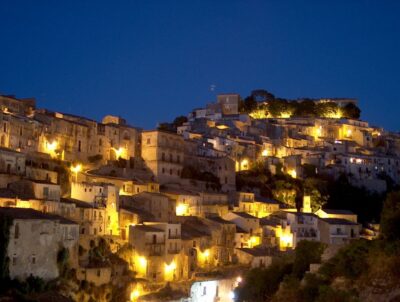 ★ 4.8Noto, Modica and Ragusa: The Baroque Tour from CataniaFrom $124133 reviews
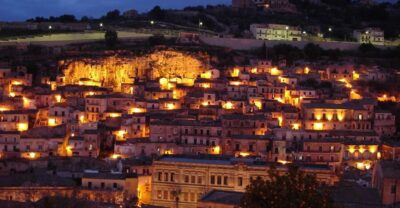 ★ 4.4Catania: Noto, Modica and Ragusa Ibla Baroque TourFrom $101106 reviews
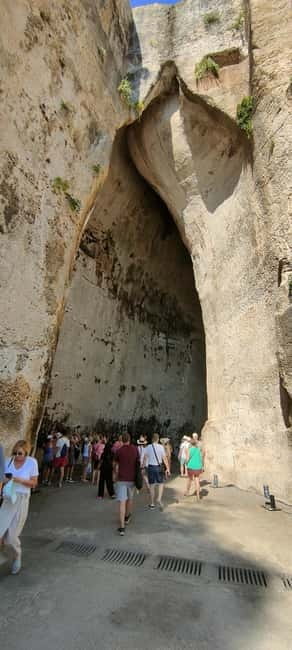 ★ 4.3From Taormina: Syracuse and Noto Guided Day Trip by BusFrom $68101 reviews
 ★ 4.5Syracuse, Ortygia & Noto small group Tour from Catania with lunchFrom $12698 reviews
Browse the lists this tour appears in