
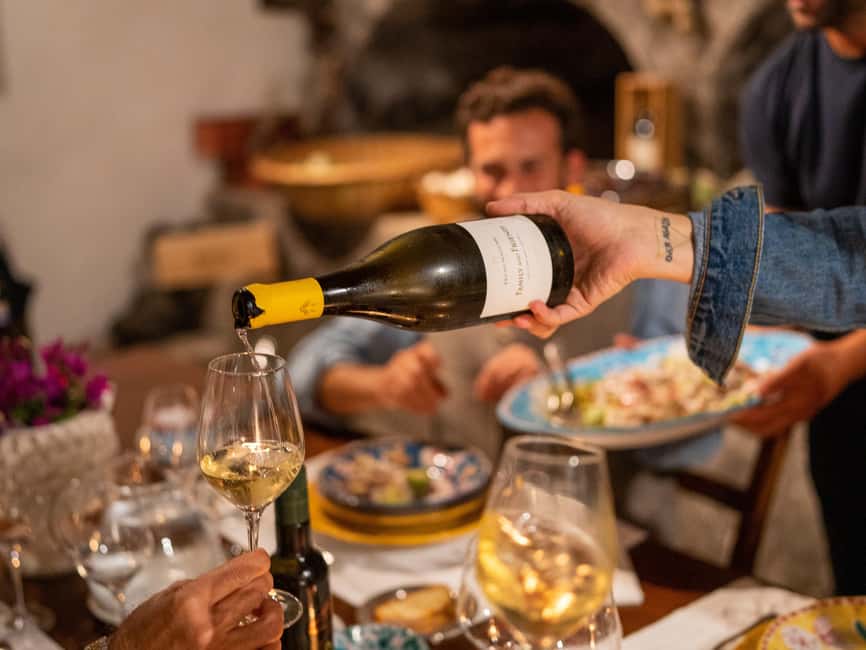
Reviewed · NOTO, MODICA & RAGUSA BAROQUE TOURS
Wine Tasting and Typical Tastings in the Val di Noto
Sicily tastes different when you learn its rules. This short, small-group wine stop is all about Val di Noto DOC wines, plus the extra context behind the local styles. I like that the format is practical, you get to see the vines and the winery space, then taste with guidance instead of guessing.
What also works well is the focus on standout native grapes, including Nero d’Avola. The one possible drawback is that 1.5 hours goes fast, so if you want a long, sit-down meal or a deep cellar walkthrough, this isn’t that kind of experience.
Key highlights at a glance
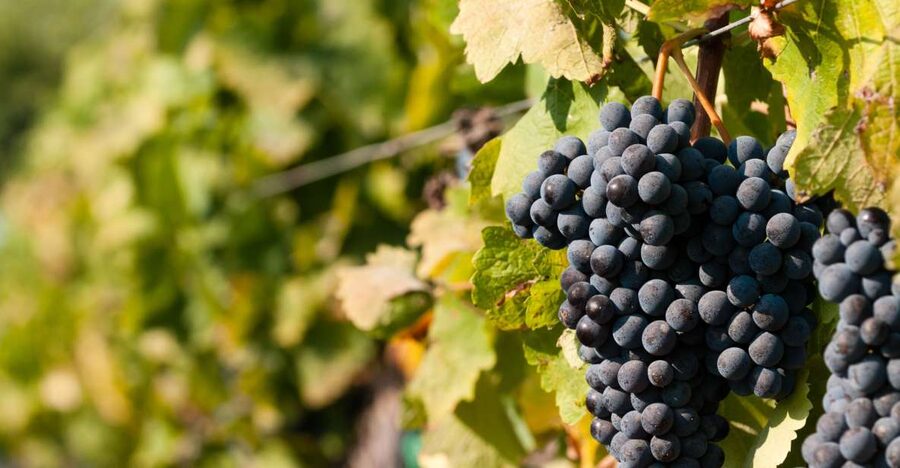
- DOC-focused tasting with four Sicilian territorial wines
- Nero d’Avola included as part of the local lineup
- Vineyard visit plus winery access (not just a room and glasses)
- Light aperitif with local products alongside the wine
- Small group of up to 10 with an English or Italian host
Val di Noto wine tasting in 90 minutes: what you actually get
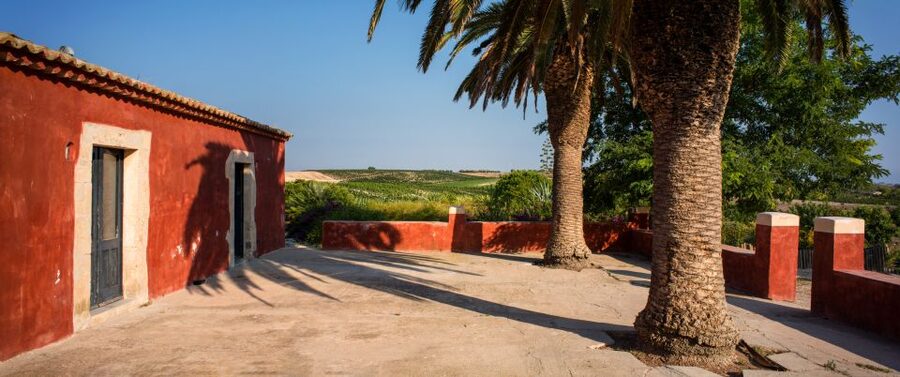
This is a tight, efficient experience built for people who want real context without burning half a day. You’ll spend about 1.5 hours visiting the winery estate, walking through the vineyards area, and then doing a guided tasting of four local wines. That short timeline matters, because it keeps costs more reasonable and it fits easily into a broader Sicily plan.
Here’s the practical value: tasting wine in a winery setting is one thing, tasting while someone explains the DOC logic is another. This tour is designed around that second part. You’ll learn what makes the wines “territorial,” meaning they’re shaped by the place and the rules that protect those styles.
The other half is food. Even though this is a wine tasting, you won’t be left with wine alone. You’ll get samples of local specialties as part of a light aperitif, and that helps you understand why Sicilian wine choices often come with equally specific food habits.
You can also read our reviews of more tours and experiences in Noto Italy.


Between baroque cities and vineyard hills: the setting matters
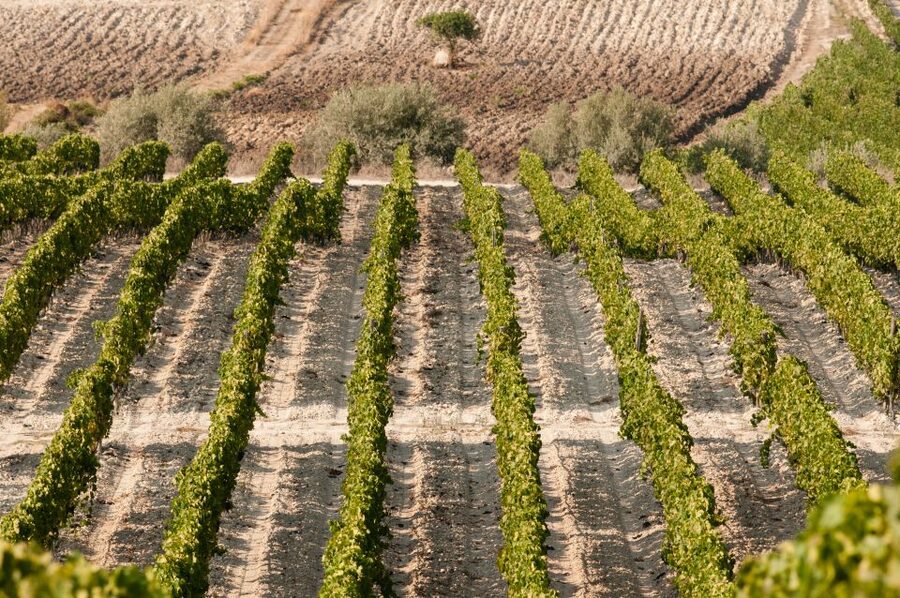
The estate is located in the Val di Noto area, in countryside rolling hills where vineyards and almond groves grow side by side. It’s described as being between two of Sicily’s main baroque cities, so you’re not stuck in a remote nowhere location. The area feels rural, but not isolated.
Why I think this setting is more than scenery: your senses get calibrated. Almond trees, sun-baked hillsides, and vineyard rows all change how you interpret acidity, fruit, and structure in the glass. Even if you don’t think about wine in those terms, you’ll notice the difference between tasting wine in a tourist strip mall versus tasting it in the agricultural environment that makes the wine possible.
Vineyards and winery visit: seeing the source of the taste
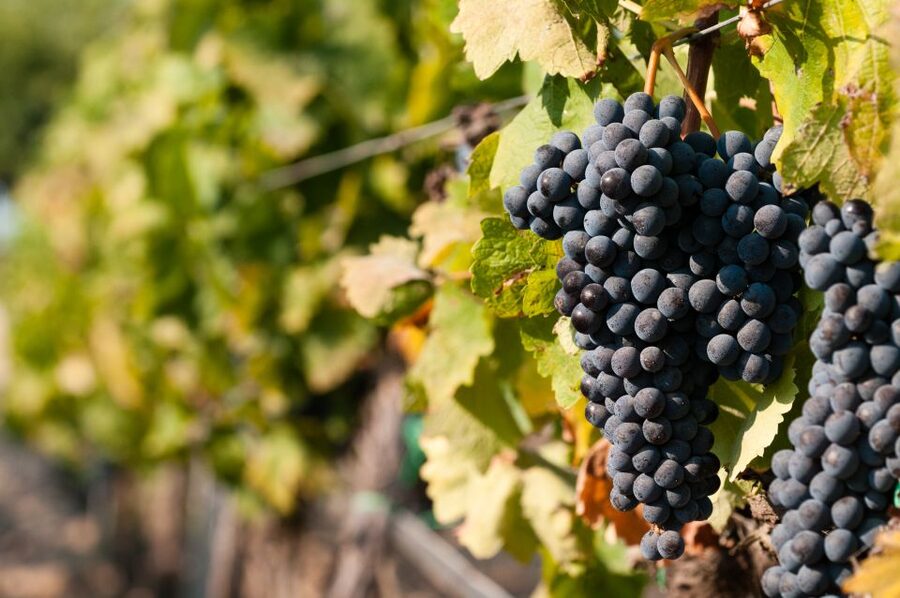
You’ll visit the vineyards and the winery, and the experience is structured as a guided walk through the estate space. That means you’re not just handed a menu. You can look at the setting where grapes grow, then move into the winery area where the winemaking happens.
A quick reality check: the details of the walk length and route aren’t spelled out, so your time is better spent arriving ready for a bit of countryside walking. With only 1.5 hours total, you should expect movement to be part of the pacing, not an optional add-on.
Still, this matters for value. Seeing the vines and the winery space makes your tasting more meaningful, because the guide can connect what you see with what you taste: grape character, farming style, and the idea of DOC identity.
DOC and DOCG context: why the labels matter here
The tasting is framed around Sicilian wine categories, with DOC wines of the Val di Noto and mention of the region’s DOCG universe. That might sound like wine-school jargon, but here’s the useful takeaway.
DOC and DOCG are not just fancy acronyms. They are the system that ties wine to territory and sets rules for what can be produced under those names. When you understand that concept, tasting stops being a “which one do I like most?” exercise and becomes a “why does this taste like this?” exercise.
This tour’s value is that it gives you just enough structure to make sense of the differences. You’ll taste four wines that represent the area’s territorial story, not random international choices.
The guided tasting of 4 local wines, including Nero d’Avola
The heart of the experience is the guided tasting of four local wines. The estate is described as home to DOC wines of the area, including the original Nero d’Avola style. If you’re visiting Sicily specifically to understand its signature reds, Nero d’Avola is usually the grape that anchors the whole conversation.
What you can expect from the tasting flow:
- You’ll be led through a sequence of tastings with guidance.
- You’ll compare the wines in a single sitting, which makes differences easier to spot.
- You’ll connect the wine character to the place it comes from, not just to its flavor profile.
How to get more out of the tasting (without overthinking it): take quick notes in your head. Decide what changes from glass to glass: does one feel more firm and structured, does another lean fruit-forward, does one show a different balance of freshness versus depth? Even if you never write it down, that mental comparison becomes a souvenir you can use later when you order wine on your trip.
One more practical point: this is a small-group format, limited to 10 participants, and the host speaks English and Italian. That typically means you get enough time for questions, especially if you’re curious about what makes Val di Noto wines different from other Sicilian regions.



The light aperitif and local products: food that actually teaches
Wine tastings can sometimes feel like you’re just trying to drink enough samples to check a box. This one makes a stronger case for food as part of learning the region.
You’ll be offered samples of local products and specialties, paired with a light aperitif. In Sicily, food is not an afterthought. Salty, tangy, and sometimes nutty flavors can highlight wine structure in a way that plain water and crackers can’t.
This tour is also family-friendly in a specific way: it notes that up to age 4 the experience is free of charge, and a cheese board with local specialities is included for the child price range. Even if you’re an adult, that clue tells you the operator is thinking about local sourcing, not generic bar snacks.
If you have allergies or food intolerances, the important part is timing. The experience asks you to report any allergies, food intolerances, or special needs in advance. If you don’t, the operator states no liability will be accepted. That’s not unusual, but it’s worth taking seriously so you’re not stuck at the tasting table guessing.
Small group size, English or Italian hosts, and the pacing
A group size capped at 10 participants is a big quality signal for something like this. In larger groups, the tasting can feel scripted and rushed. Here, the format is built around a guided experience, so you should expect more conversation and less waiting.
The host or greeter communicates in English and Italian, which helps if your wine vocabulary is still forming. You can ask questions even if you’re not a wine expert. I’d treat that as your advantage. This is a learning tour, not an exam.
Pacing is also clear: everything is wrapped into 1.5 hours, including the vineyard and winery visit, the guided tasting of four wines, and the light aperitif. That’s why the experience works best as a focused stop rather than a slow wandering afternoon.
One more operational note from the tour terms: if there’s a delay of more than 30 minutes, a 30% surcharge may apply to the service charge. Also, meeting points may vary depending on which option you book. The fix is simple: confirm your exact meeting location ahead of time so you’re not spending your first minutes hunting for the right spot.
Price and value: is $77 per person worth it?
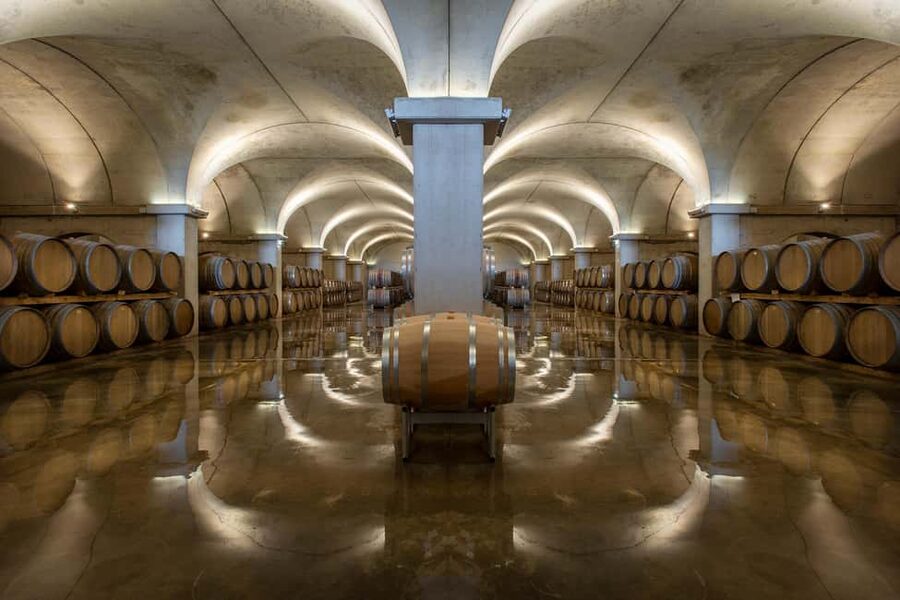
At $77 per person, you’re paying for several things at once: a guided visit to vineyards and winery, a structured tasting of four local wines, and a light aperitif with local products. For Sicily, that price point tends to make sense when the operator is doing more than pouring wine in a standard tasting room.
Here’s how to judge value quickly:
- You’re getting four guided tastings, not just one or two.
- You’re not only tasting, you’re seeing the estate and moving through the winery setting.
- The group is small, so the host can actually guide and respond.
- You get food samples, which improves the whole experience, not just the wine part.
If your trip is short, or if you want one “best hit” experience that covers both wine and local flavors, this fits. If you’re planning a longer winery day with a full meal and deeper cellar time, you might want something longer. But for focused learning and maximum impact in limited time, this is priced like an efficient local introduction.
Who this tour fits best (and who should choose differently)
This experience is a strong match for:
- Wine lovers who want a quick, structured introduction to Val di Noto DOCs and local styles
- Food-and-wine visitors who learn faster when wine comes with local bites
- People who prefer small-group guidance over big bus tours
- Anyone traveling between baroque cities who wants a countryside break with a clear payoff
It may not be the best match if:
- You want a full-day winery experience, with long meals and lots of time in the cellar
- You’re looking for a high-volume tasting where you sample many more wines
- You need very specific allergy accommodations but haven’t already notified the operator in advance
Booking decision: should you go?
I’d book this if you want an efficient, guided snapshot of Val di Noto wine culture, especially if Nero d’Avola and DOC identity are on your must-try list. The combination of vineyards plus winery access, a tasting of four wines, and a light aperitif is exactly the kind of setup that turns “tasting” into real understanding.
Don’t book it if your ideal day is slow, meal-heavy, and hours-long. This is designed for focus and momentum.
If you do book, do one thing that makes your experience smoother: send allergy and intolerance notes ahead of time, and double-check your meeting point for your chosen option. Then show up ready to taste, ask questions, and connect the place to the glass.
FAQ
How long is the wine tasting in Val di Noto?
The experience lasts about 1.5 hours.
What’s included in the tour price?
You’ll have a visit to the vineyards and the winery, a guided tasting of 4 local wines, and a light aperitif.
What is not included?
Anything not listed under the included items is not included.
How many people are in the group?
The group is small, limited to 10 participants.
What languages are offered?
The host or greeter speaks English and Italian.
What wines will you taste?
The tasting includes 4 local wines, featuring the area’s DOC wines, including Nero d’Avola.
Are there age discounts for children?
Up to age 4, the experience is free of charge. A cheese board with local specialities is included in the child price range.
Is cancellation free?
Yes, you can cancel up to 24 hours in advance for a full refund.
More Tour Reviews in Noto Italy

Not for you? Here's more nearby things to do in Noto Italy we have reviewed
Noto, Modica & Ragusa Baroque Tours, compared.
 ★ 4.6Catania: Syracuse, Ortigia, and Noto Tour with BrunchFrom $112404 reviews
 ★ 5.0Syracuse, Ortigia and Noto walking tour from CataniaFrom $129273 reviews
 ★ 4.7From Catania: Neapolis of Syracuse, Ortygia, and Noto TourFrom $130234 reviews
 ★ 3.9From Catania: Syracuse, Ortygia, and Noto Tour140 reviews
 ★ 4.8Noto, Modica and Ragusa: The Baroque Tour from CataniaFrom $124133 reviews
 ★ 4.4Catania: Noto, Modica and Ragusa Ibla Baroque TourFrom $101106 reviews
 ★ 4.3From Taormina: Syracuse and Noto Guided Day Trip by BusFrom $68101 reviews
 ★ 4.5Syracuse, Ortygia & Noto small group Tour from Catania with lunchFrom $12698 reviews
Browse the lists this tour appears in