
Pasta dough, then tiramisu, in central Palermo. What I like most is the step-by-step pasta dough coaching and the fact you start with Prosecco, then end by eating your creations with wine, right in a real Palermo restaurant kitchen workflow.
It runs about 3 hours, guided in English, and you’ll learn the practical difference between pasta fresca and pasta secca while making both dishes. One thing to think about is value, since it’s priced like a focused class, and a couple of comments hinted the meal portions felt a bit light for the cost.
Key Highlights You’ll Care About
- Prosecco on arrival at Carlo V, then wine with your meal
- Make pasta from scratch with guided dough steps and flour choices
- Classic tiramisu work, including how to nail the layers
- Pasta fresca vs pasta secca explained in plain terms
- English live guidance with a chef who works alongside you
- Recipes to take home so you can repeat it later
Carlo V Meeting Point: Quattro Canti is close enough to walk
This class meets at the restaurant Carlo V (Carlo Quinto). The location is easy to find if you’re already sightseeing, because it’s just about 100 meters from Quattro Canti. That matters, because you don’t want a cooking class to turn into a navigation puzzle.
When you arrive, expect a quick welcome and then you’ll move inside to wash up, get an apron, and start cooking. Dress for real kitchen time: comfortable clothes and shoes, since you’ll stand and work. Also note the basic rules, no smoking, so the space stays pleasant for everyone.
If you’re the type who likes to pair activities with sightseeing, this is a good fit. You’re in central Palermo, so you can do the class and still have energy to wander afterward, or you can keep it as a “sit down, eat well, learn something” anchor during your day.
You can also read our reviews of more cooking classes in Palermo
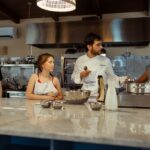
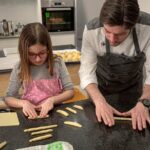
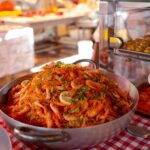
Prosecco Welcome and the Real Flow of an Italian Kitchen
The experience starts with a welcome glass of Prosecco. It’s not a gimmick, it’s a nice way to shift into food mode right away, especially if you’ve been walking around the city.
From there, the class follows a logical order: first the dessert, then the pasta. That sequencing works. Tiramisu has its own rhythm, and once you understand the dessert steps, the pasta dough feels more approachable because your hands are already in “cooking mode.”
The chef and guide keep you moving step by step. You’re not just watching, you’re doing. Several people commented that the chef worked alongside them, correcting technique as you go. You’ll also hear guidance on how to handle the dough so it behaves the way fresh pasta should.
In short, you’ll get the structure of a cooking class, but it happens inside a working restaurant atmosphere. That’s where the practical details show up, like how the kitchen expects you to approach each step, not just the final dish.
Making Tiramisu: layers, technique, and what to remember
You’ll start with tiramisu after you wash your hands and put on your apron. The guide explains the dessert as you cook it, including the story behind tiramisu and what makes it work as a classic.
The key benefit here is technique. Tiramisu can go wrong in a few common ways, usually related to how you assemble layers and how you balance components. The class format helps because you’re guided while you build, not left to figure it out once you’re standing in the mess of ingredients.
You’ll work through the dessert at your station, then move forward once you finish. A nice touch is that you get a clear, repeatable process. One review specifically noted that the class was explained step by step, and another mentioned the atmosphere and the amount of laughs, which is exactly what you want when you’re learning a hands-on dessert.
Also, there’s a payoff beyond the class itself. You’ll get recipes to take home, so the memory sticks and you can make tiramisu again later without trying to recreate everything from notes and hope.
Fresh Pasta Basics: flour, dough, and the meaning of fresca vs secca
After tiramisu, you’ll shift to the main event: pasta from scratch. This is where the class earns its keep, because making dough is mostly about process.
You’ll learn about the key ingredients and get step-by-step direction for the perfect pasta dough. The class covers what type of flour to use and highlights the differences between pasta fresca and pasta secca. If you’ve ever wondered why fresh pasta feels different to cook and eat, this is the practical explanation you can actually use.
Here’s why this matters for you. Pasta recipes online often list ingredients, but they don’t always explain what those ingredients change. In a live class, you can adjust in real time. If your dough feels off, you can correct the approach while you’re still working, not after the fact.
You’ll likely end up making more than one pasta shape or preparation step, since reviews mentioned learning two types of pastas. Even if you’re not aiming to become a pasta machine operator, you’ll leave knowing how to think about dough and texture, not just how to follow a list.
And if you care about authenticity, this is a smart way to learn. You’re not only eating Italian food, you’re learning the mechanics behind the dishes that locals take for granted.
Eating Your Work With Wine: lunch or dinner, right at the table
Once you finish cooking, you get to sit down and eat what you made. The class includes lunch or dinner, plus a glass of wine paired with the meal. This is the moment where the learning becomes a full experience.
You’ll taste your own pasta and tiramisu as part of the meal flow. That’s a big deal because pasta and dessert are sensitive to details. When you eat it at the right time, you understand how your technique affected texture and flavor. If you’re the kind of person who learns better by taste, this format works.
One review called out the wine as unreal, which matches the overall vibe: you’re not just sipping to check a box. You get a proper meal pairing that fits the Sicilian and Italian approach, food first, then the drink to match.
Portion size is the main watch-out here. A comment mentioned that the meal could feel a bit small relative to the price, and that there wasn’t a starter. You may be totally happy with what’s served, but if you expect a full multi-course banquet, manage expectations.
You can also read our reviews of more wine tours in Palermo
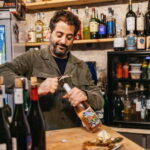

The Chef, the Guide, and the Small-Group Feel
This class is guided in English. The people leading it make a big difference, because cooking is part instruction and part reassurance. If your dough goes sideways, you want calm hands guiding you back.
Reviews highlight two standout names: Simone, the chef praised for being helpful and teaching well, and George, who hosted one of the classes and was described as friendly, chatty, and informative. If you get either of them, you’re in good hands based on what’s been shared.
Group size also seems to be a strong point. At least one review said the class was small enough to feel close to one-to-one. You shouldn’t assume that every time, but it suggests the operator values keeping attention on each participant, rather than treating it like a conveyor belt.
If you want interaction, ask questions. The format supports it. When the guide is standing near you during key steps, you get answers in the moment, which makes it easier to improve your technique quickly.
Price and Value: $53.47 worth it for most food lovers
At $53.47 per person, this class sits in the middle to upper tier for a cooking activity. The question is whether you get enough “learning plus food” to justify it.
Here’s the value logic for you:
- You’re making two major items, fresh pasta and classic tiramisu.
- You get wine with the meal, plus Prosecco on arrival.
- You receive recipes so the experience doesn’t end when you leave.
- The teaching is structured around technique, including flour choice and pasta fresca vs pasta secca.
Those are the components that actually translate into value. If you’re simply chasing a plate of pasta, you could find cheaper meals. But if you want a skill you can repeat, plus a guided restaurant-style experience, the price becomes easier to swallow.
One drawback to keep in mind is that a review mentioned the portion and value felt a bit tight, especially compared to what a group might spend at a restaurant. If you’re hungry in a big way, plan to eat a little before or after, depending on timing.
Who Should Book This Class, and Who Might Skip It
This fits best if you want a hands-on food lesson in central Palermo. It’s also great for couples or small groups who want to cook together and then share a meal.
You’ll enjoy it if:
- You like learning practical kitchen technique, not just tasting food
- You want to understand why Italian pasta types matter, especially fresh vs dried
- You’d rather make dessert correctly than try it from scratch at home without help
- You prefer English instruction and a chef who walks you through steps
You might skip it if:
- You mainly want a long, heavy multi-course meal and not much else
- You’re trying to keep costs very low, since it’s priced as a guided class
- You strongly dislike standing at a workstation for part of the session
Should You Book Palermo Pasta and Tiramisu With Wine?
I’d book this if you’re in Palermo and you want your time to feel useful, not just busy. The strongest pull is the combo of fresh pasta instruction, classic tiramisu making, and the fact you’re fed with wine at the end. Add in the central location near Quattro Canti, and it becomes a smart way to spend 3 hours.
If your top priority is eating a huge meal with maximum quantity, you may feel less thrilled. But if your goal is to leave with real technique, recipes to repeat, and a fun, guided kitchen moment, this class has the right ingredients.
FAQ
Where does the cooking class meet?
The meeting point is the restaurant Carlo V (Carlo Quinto). The class ends back at the meeting point.
How long is the experience?
The class lasts about 3 hours. Starting times depend on availability.
What will I make during the class?
You’ll learn to make pasta from scratch and prepare a classic tiramisu.
Are drinks included?
Yes. You get a welcome glass of Prosecco on arrival, and you also receive a glass of wine with your meal.
Is lunch or dinner included?
Yes. The experience includes lunch or dinner, depending on the session.
Is hotel pickup included?
No. Hotel pickup and drop-off are not included.
More Wine Tours in Palermo

More Cooking Classes in Palermo
More Tour Reviews in Palermo


Not for you? Here's more nearby things to do in Palermo we have reviewed




Palermo City & Market Tours, compared.
 ★ 4.8Palermo: NO Mafia Walking TourFrom $402,431 reviews
 ★ 3.9Palermo: Hop-on Hop-off Bus Tour 24-hour TicketFrom $172,410 reviews
 ★ 5.0Palermo Original Street Food Walking Tour by StreatyFrom $832,105 reviews
 ★ 4.2Segesta, Erice and Salt Pans Full-Day Excursion from PalermoFrom $821,791 reviews
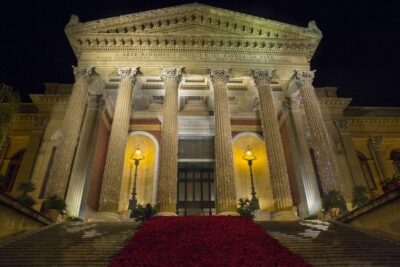 ★ 4.5Palermo: Teatro Massimo Opera House Guided TourFrom $141,573 reviews
 ★ 4.2From Palermo: Monreale and Cefalù Half-Day TripFrom $711,354 reviews
 ★ 4.9Palermo: Street Food and History Walking TourFrom $541,294 reviews
 ★ 4.2Palermo: Agrigento and the Valley of the Temples Day TourFrom $771,240 reviews
Browse the lists this tour appears in