
Reviewed · NOTO, MODICA & RAGUSA BAROQUE TOURS
Ragusa Walking tour
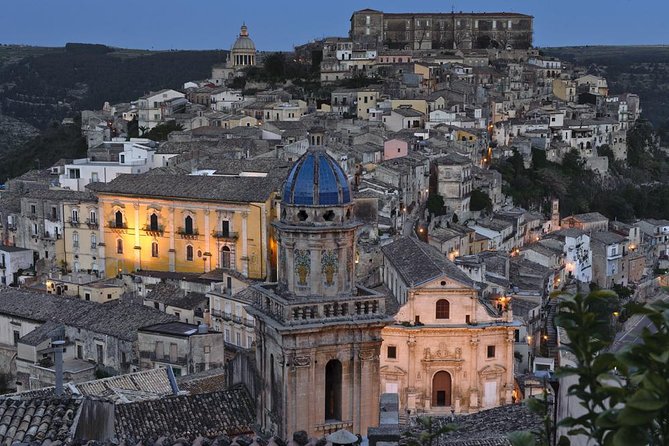
Ragusa’s churches are a fast education. This Ragusa Ibla walking tour gives you a focused first look at the town’s most important sights, with time built in for real viewing and photos, including the Duomo di San Giorgio. You’ll walk through key stops that explain how this corner of Sicily became so distinctive.
I love how the tour stays practical, with short, timed stops that keep the pace comfortable while still giving you context. I also like the small-group size (10 max), because the guide can actually answer your questions, not just rush the group onward.
One consideration: this is a walking tour with a moderate fitness level, so plan for uneven streets and a steady couple of hours on foot.
Key highlights worth your attention
- Giardini Iblei starts the walk with a calm garden setting before you hit the historic center
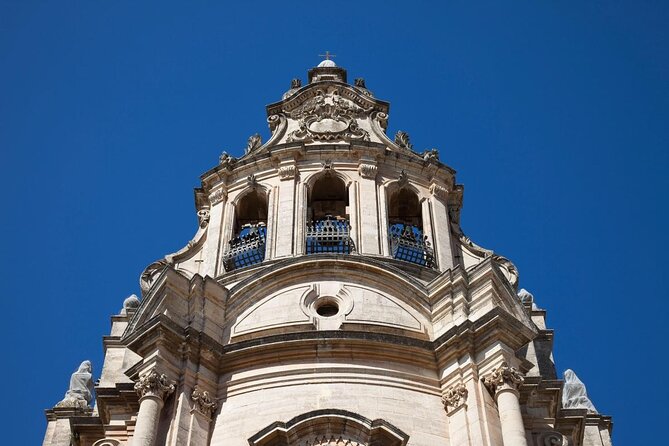
- Portale di San Giorgio is a standout architectural moment, built in the 1440s
- San Giuseppe and the Duomo interiors get real focus, not just quick exterior peeks
- English-speaking guides make the stories easy to follow
- Small-group pacing helps you keep up without feeling trampled
- Free access at each stop means you can spend your money on the fun parts, not tickets
Where the tour begins: Giardino Ibleo and the calm start
The tour meets at Giardino Ibleo (97100 Ragusa) and ends back at the same spot. That out-and-back setup matters in Ragusa Ibla, where streets can feel like a maze and parking can be a headache. Having the walk return to the start also makes it simpler to plan lunch or a later bus or taxi.
You begin with a gentle warm-up at Giardini Iblei. Expect about 30 minutes of walking in a garden setting, with a chance to reset your brain before the churches and stonework get up close. This first stop is a smart move: instead of charging straight into crowds, you ease into the town’s texture.
If you want an easy win for photos, do it here. Gardens and open space let you get a clean sense of angles, then the stone facades and church interiors will make more sense once you’re surrounded by them.
You can also read our reviews of more walking tours in Sicily



Stop 1, Giardini Iblei: a garden that works as your orientation
Giardini Iblei is more than a break between sights. It helps you understand how Ragusa Ibla sits in a real lived environment, not just as a list of monuments. You get the rhythm of the place first, then you layer in the details.
I like this approach because it changes how you watch the rest of the tour. When you step into the historic center afterward, you’re not just scanning for famous buildings. You’re looking for how entrances, streets, and viewpoints connect.
Practical tip: wear comfortable shoes. You’re still walking, and garden paths and nearby streets can be uneven in older towns. Even if the route feels short on paper, your feet will tell the truth.
Stop 2, Portale di San Giorgio: that lateral entrance detail
Next comes Portale di San Giorgio, where you’ll spend about 10 minutes. The star here is the side entrance, described as the beautiful lateral entrance of the former church of St. George, built in the 1440.
This is the kind of stop that rewards you for slowing down. Architectural details like this can look subtle at first glance, but a good guide helps you see why it matters: the way the entrance is framed, how the stonework reads from different angles, and how that design hints at the period that created it.
If you care about photos, this is a quick but high-value stop. Try for at least two angles. One from where the stonework is widest, and another slightly to the side so the entrance shape pops.
Stop 3, Chiesa di San Giuseppe: interior time that makes it worth the walk
About 15 minutes goes into Chiesa di San Giuseppe, with the emphasis on the interior. Interiors are where Ragusa Ibla stops being postcard scenery and starts feeling like a place where people prayed, celebrated, and lived with the architecture.
The big payoff of spending time inside is context. You’ll get a guided explanation of what you’re seeing, and that makes the interior details easier to understand than if you were wandering alone and guessing.
Possible drawback here: if you’re short on time or you dislike indoor viewing, the schedule still commits you to this stop. But if you like interiors, this is the moment that gives you the strongest “aha” feeling during the tour.
Quick advice: bring a phone camera you can hold steady. Church interiors often mean darker light, and even a slight steadiness helps you get shots that don’t blur.
Stop 4, Duomo di San Giorgio: the main church moment
Your last major stop is Duomo di San Giorgio, with about 30 minutes set aside. This longer time block is a clue that this is the anchor of the route. You’re not just passing by a landmark. You’re being guided through the interior so it actually lands.
The Duomo is also a place where a guide’s historical framing changes everything. Even when you’ve seen photos online, the real experience is different when someone points out how the building relates to the town’s story. That’s what you get here, and it’s why the stop feels like more than sightseeing.
From the names that have appeared with this tour, guides can include people such as Anna, and also Emilia and Nicolette. The consistent thread is that they explain the church in a way that connects design to place, not just dates and labels.
One more thing: the tour is listed at about 2 hours, but you might end up closer to 3 depending on pacing and questions. That’s not a problem if you like learning. If you have a tight schedule, plan some buffer after the walk so you don’t feel rushed.

How the guide story style helps you understand Ragusa Ibla
The tour is offered in English, and the whole point is that you’re getting the city’s background while you walk. The guide’s job here is to turn stone and street corners into a narrative you can follow quickly.
That matters because Ragusa Ibla can look like a collection of impressive buildings until someone helps you see how they fit together. With the guide’s help, you notice patterns: where the important entrances are, which churches feel like focal points, and how the town’s character shows up in its facades and public spaces.
And yes, guide help can be practical too. One highlighted example from a recent group was Nicolette, who helped with parking ahead of time, which can be invaluable since parking in Ragusa Ibla is difficult. Even if you’re not in that exact situation, it’s a good sign that the guides think about real-life problems, not just talking.
Pace and group size: why max 10 matters
This is a maximum 10 travelers setup, and that small-group structure shows in how the tour feels. With fewer people, you’re more likely to stop where it makes sense for viewing and photos, rather than standing wherever the crowd forces you.
It also helps with the flow inside churches. When a group is larger, you often spend more time waiting and less time looking. Here, the guide can manage the movement so you get your share of attention.
The pace is also something to respect. The tour calls for moderate fitness, so expect walking time to add up. The route is short in distance, but the streets and footpaths in older Sicilian towns can take more effort than you think.
Price and value: what $150.37 buys you in real terms
At $150.37 per person for about 2 hours, this isn’t a budget walking tour. The value comes from three areas:
First, you get a guided, English-speaking explanation of multiple major landmarks, including interior time at San Giuseppe and the Duomo. That combination is usually where DIY sightseeing loses value, because interiors and architectural cues are hard to interpret without a guide.
Second, the tour includes free admission at the stops listed. So the money you spend goes into the guide experience and the time allocation, not a lineup of paid entry fees you could potentially manage on your own.
Third, the small group can reduce the “walk past everything and hope you catch up” feeling. In places with tight streets, a tour that manages movement well can be worth it, especially if you’re visiting for the first time.
If your travel style is DIY-first, you might question the cost. But if you want your visit to make sense quickly, this price starts to feel fair for what you’re getting.
Best time to go and how to plan around it
No specific departure times are provided, but the tour duration and stops make it easy to plan around a typical day in Ragusa Ibla.
Since you’ll spend meaningful time inside churches, you’ll likely be happiest if you avoid a rushed schedule right after. Give yourself a little buffer, especially if the pace runs longer when people ask questions. A group size of up to 10 means the guide can slow down when needed, which is good for learning, not great for strict timelines.
For meals, consider grabbing lunch after you return to the meeting point. That minimizes the need to navigate immediately afterward.
What photos you’ll get, and where to spend your attention
Even with limited time per stop, the route is set up for pictures. You start with a garden in Giardini Iblei, then you hit an architectural entrance at Portale di San Giorgio. After that, you’re inside for two church moments that often produce the best interior shots.
The key is to not treat this like a quick selfie sprint. The most memorable photos are usually the ones where you understand what you’re photographing. Let the guide tell you what matters, then snap your images right after.
One useful mindset: look for repetition. If you notice the way stonework and entrances are framed, you’ll start seeing the same design logic across different parts of Ragusa Ibla.
Who this Ragusa walking tour is for
This tour is a great fit if you want a first-time introduction to Ragusa Ibla that doesn’t require planning a full route yourself. I’d especially recommend it if:
- You want church interiors included, not just exteriors.
- You prefer a small group so you can ask questions.
- You’re okay with moderate walking and older-street conditions.
- You care about understanding the city fast, in an English-friendly way.
It may not be the best match if you dislike churches or if you’re looking for a long, meandering street walk with zero structure. This is focused by design, and that focus is the point.
Should you book Ragusa Walking Tour?
Book it if you want a tight, guided introduction to the main Ragusa Ibla landmarks, especially if interior viewing is part of your travel priorities. The small-group size and the way each stop is timed make it a good “get oriented quickly” choice, and the free admissions at the stops help you feel good about the spend.
Skip it or reconsider if you have very limited mobility, hate church interiors, or need a perfectly controlled schedule where no extra questions happen. Also think twice if $150.37 feels too steep for your trip budget, because this tour is paying for guidance and interpretation, not just walking time.
If you’re doing Ragusa Ibla for the first time, I think it’s a smart way to make the town click in a couple of hours. You’ll leave with a clearer sense of what you saw and why it matters.
FAQ
How long is the Ragusa walking tour?
It lasts about 2 hours.
How much does the tour cost?
The price is $150.37 per person.
Is the tour offered in English?
Yes, it is offered in English.
Where does the tour start?
The meeting point is Giardino Ibleo, 97100 Ragusa, Italy.
How many people are in the group?
The tour has a maximum of 10 travelers.
Do I need to buy admission tickets for the stops?
Admission tickets are listed as free for each stop.
What stops are included during the walk?
The tour includes Giardini Iblei, Portale di San Giorgio, Chiesa di San Giuseppe, and the Duomo di San Giorgio.
What kind of fitness level do I need?
You should have a moderate physical fitness level.
Do I get a mobile ticket?
Yes, the tour includes a mobile ticket.
What is the cancellation policy?
Free cancellation is allowed up to 24 hours in advance for a full refund. Changes made less than 24 hours before the start time are not accepted.
More Walking Tours in Sicily

More Tours in Sicily

More Tour Reviews in Sicily
Not for you? Here's more nearby things to do in Sicily we have reviewed






Noto, Modica & Ragusa Baroque Tours, compared.
 ★ 4.6Catania: Syracuse, Ortigia, and Noto Tour with BrunchFrom $112404 reviews
 ★ 5.0Syracuse, Ortigia and Noto walking tour from CataniaFrom $129273 reviews
 ★ 4.7From Catania: Neapolis of Syracuse, Ortygia, and Noto TourFrom $130234 reviews
 ★ 3.9From Catania: Syracuse, Ortygia, and Noto Tour140 reviews
 ★ 4.8Noto, Modica and Ragusa: The Baroque Tour from CataniaFrom $124133 reviews
 ★ 4.4Catania: Noto, Modica and Ragusa Ibla Baroque TourFrom $101106 reviews
 ★ 4.3From Taormina: Syracuse and Noto Guided Day Trip by BusFrom $68101 reviews
 ★ 4.5Syracuse, Ortygia & Noto small group Tour from Catania with lunchFrom $12698 reviews
Browse the lists this tour appears in