
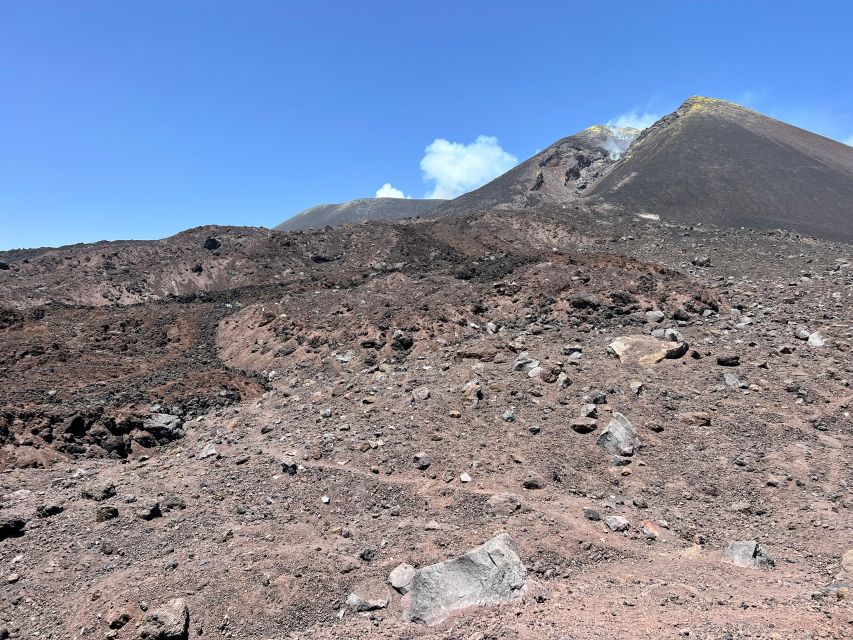
Reviewed · MOUNT ETNA VOLCANO TOURS
Trekking at 3000 meters on Etna
Etna’s craters at 3000 meters feel unreal. This Etna Craters Excursion 3000 meters is a one-day hike where you start by cable car, then walk across fresh-feeling volcanic terrain tied to the 2002 eruption. I love that you get more than viewpoints, you actually move through the story of the volcano, step by step.
The two big wins for me are the walk on recent lava flows and the way the guides keep it safe and understandable. In particular, named guides like Giuseppe and Antonio show up in the feedback as calm, passionate leaders who adjust pace so the group stays together. One consideration: this is a serious altitude trek, often windy, and it is not a fit for people with low fitness or any history of altitude issues.
If you’re ready for a long, rocky day at summit altitudes, you’ll come away with memories that stick. Just be honest about your comfort level with uneven ground and heights, because the route includes crater edges and close-up views near active-looking zones.
Key highlights to expect
- Cable car lift to 2500m before you even start hiking
- 2002 lava-flow trekking, including time on solidified channels
- Effusive crater walk around 2700m, with helmeted protection
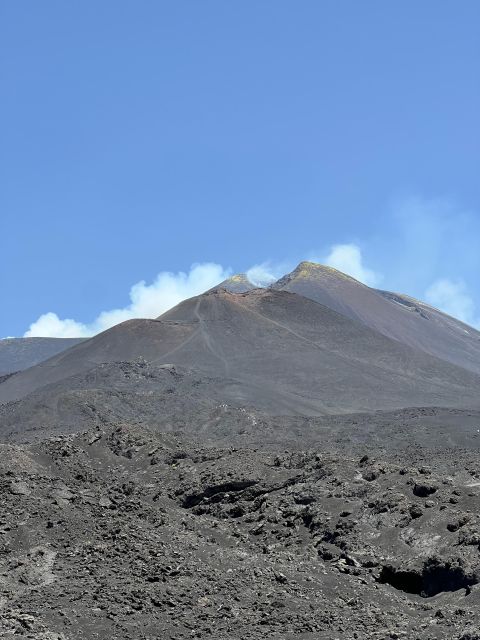
- Summit crater edge viewpoints on the southern slope of the 2002 eruption
- Belvedere della Valle del Bove caldera views plus the Laghetto cone area
Why Etna Craters at 3000m feels different from a typical hike
Most hikes give you a view and send you back down. This one gives you the view, then keeps feeding you the geology as you go. You’re on Etna, and the day is built around real volcanic features, not just scenic stops.
I love that the route is structured like a guided lesson you can feel in your legs. Starting with the cable car jump, you gain altitude quickly, then you slow down for the walking parts that matter. You’ll be moving through lava erupted during the 2002 eruption, stepping along terrain that is still tied to the volcano’s most recent big chapter.
The other thing that makes a real difference is the guide emphasis on safety. The included gear is not random. Protective helmet, high-collar hiking shoes, trekking poles, and a windbreaker are all there for a reason, and you’ll use them. Reviews repeatedly call out guides who are professional and friendly, like Mario and Edo, with a focus on keeping the group steady at altitude.
The main trade-off is simple: you have to be comfortable hiking near summit levels. The tour is designed for adults who can handle rock-strewn ground, wind, and sustained effort. If you’re prone to altitude sickness or you get short of breath easily, you should think hard before booking.
You can also read our reviews of more hiking tours in Catania
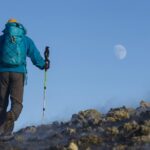
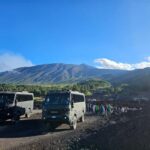
Cable car lift to 2500m, then straight onto the 2002 lava
Your day starts at Bar Ristorante Crateri Silvestri, and the meeting point is inside the bar. From there, you take a cable car from 1900 meters to 2500 meters. This part is not just convenience, it changes the whole feel of the hike. You skip the slow climb and go right to the volcanic zone where the scenery turns dramatic fast.
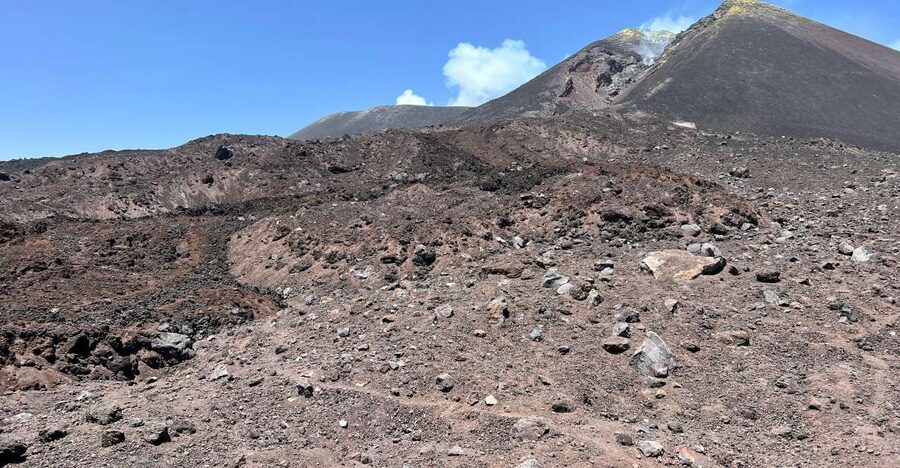
Once you reach 2500 meters, the trek begins in a north-west direction. The early walking is on lava erupted during the 2002 eruption. That matters, because lava terrain can vary a lot in texture and stability, and the guide will help you read the ground as you go. You’ll want the high-collar shoes for ankle support on uneven surfaces, especially if the surface is dusty, sharp, or slick.
At this stage, don’t aim to go fast. The altitude is rising, and the terrain is new to most people. The best mindset is steady steps, short breaks if you need them, and listening to the guide on where to place your feet. In the feedback, guides like Giuseppe are praised specifically for adjusting pace, and that is exactly what you’ll want on a route like this.
One practical tip that makes the day easier: if you’re sensitive to wind, take the windbreaker seriously. You can start the day in calm conditions and still end up battling gusts once you’re higher and closer to crater areas. That’s not a reason to skip the tour. It’s a reason to dress like the weather matters, because on Etna, it does.
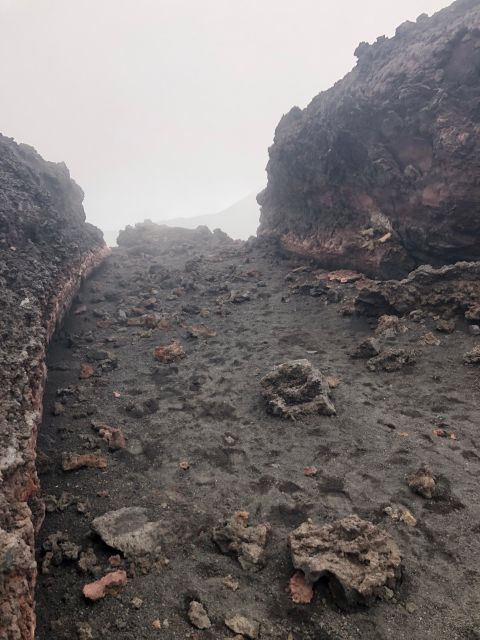
Inside the 2002 effusive crater channel around 2700m
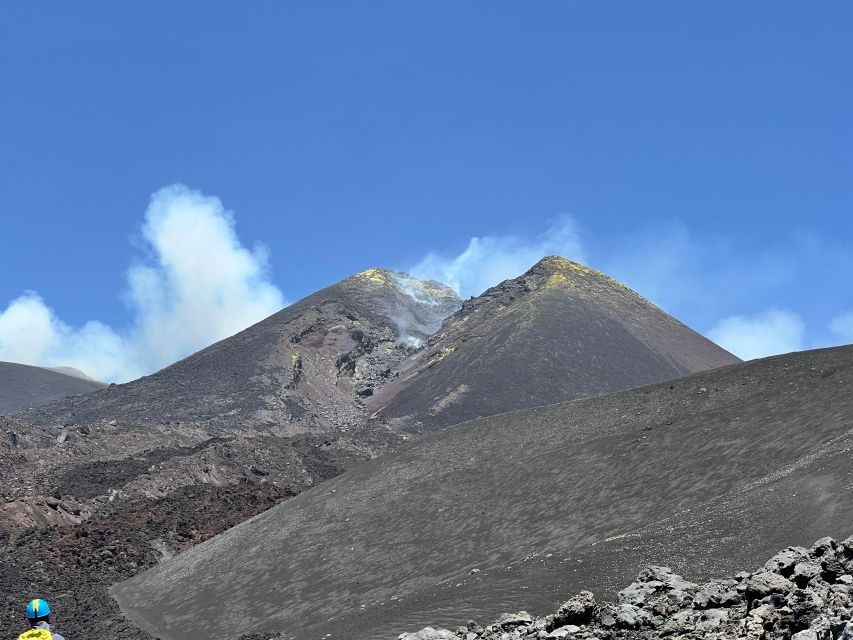
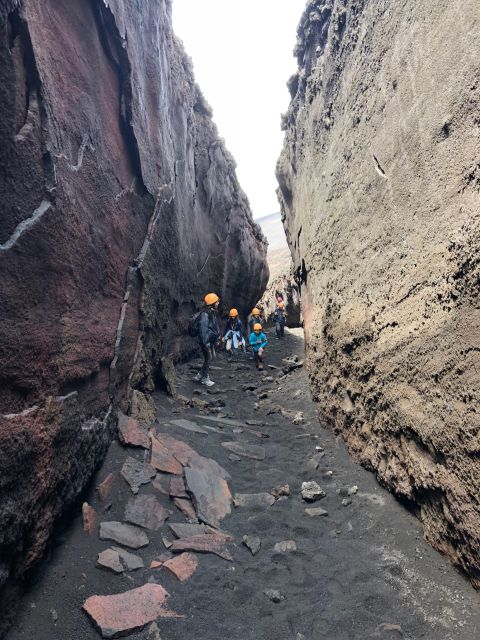
At about 2700 meters, the itinerary shifts into a very specific volcanic environment: the effusive crater of 2002. The highlight here is walking inside a lava flow channel created during that eruption.
This part is powerful because it changes the scale of what you see. Instead of looking at the volcano from the outside, you’re inside the volcanic “plumbing” left behind by past activity. You’re also walking a route that can feel narrow or channel-like depending on conditions, which is why the helmet and proper footing matter.
You’ll take a short break after this segment. That pause is more than just a rest stop. It’s a moment to reset your breathing, check your gear, and take in what you’ve already passed through. If you’re a photos person, this is also when you’ll appreciate the calmer moment, since moving around crater terrain while shooting can make people rush or lose their footing.
A note on effort level: this section can feel more work than expected. Lava channels and crater-adjacent terrain can be uneven even when it looks straightforward. If you feel yourself getting overly tense, tell your guide. A good guide will slow the group down and adjust where needed, and that kind of support is exactly what good reviews describe.
Reaching the highest point of the 2002 explosive craters on the south slope
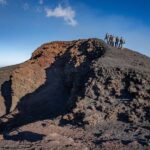
After the crater channel, the climb continues until you reach the highest point of the explosive craters formed in 2002 on the southern slope of Etna. This is the stage where the tour leans into the word summit, in the practical sense: you’re near the top of what the route allows, with wide views and intense volcanic detail.
You’ll have time to walk along the edge of the craters. This is also where the experience becomes more emotional for many people, not just impressive. Standing near crater edges is a real feeling, even if you’re not afraid of heights. Your best move is to stay focused, take your time at the edge, and keep the group moving safely as the guide manages space.
You’ll also admire the Summit Craters up close, with latest lava flows visible from this perspective. The wording in the route plan points to recent activity, and that’s what makes it feel special. You’re not just seeing older rock patterns, you’re seeing living evidence of how Etna continues to change.
From a value perspective, this is where your money pays back. Most volcano trips stop at a bus pull-off. Here, you earn the view by walking to the points that matter, with a guide translating what you’re seeing.
Just remember: this is not the time to push for speed. If your legs start burning, it’s normal. Altitude plus rocky ground equals slower movement. The people who enjoy this segment most are the ones who treat it like a long hike, not a race.
Belvedere della Valle del Bove caldera and the Laghetto cone area
After the highest-point experience, the route keeps moving through what the itinerary calls magical lunar landscapes. I like that phrase because it’s honest about what you’ll see: big open volcanic forms, pale rock, and harsh light that makes everything feel otherworldly.
Next up is a viewpoint over the extraordinary caldera of Belvedere della Valle del Bove, tied to the ancient eruptive centers. Caldera views are different from crater edges. A caldera gives you breadth, a sense of the volcano’s larger architecture. This is a great time to step back and let your eyes adjust, because the scale can surprise you.
Then you skirt the Laghetto Crater eruptive cone, born with the 2001 eruption. That stop matters because it broadens the day from one eruption date to a broader timeline. You’re still on one excursion, but you’re not trapped in a single moment in volcanic history.
This part of the route also sets you up for the final transition back to the cable car terminal. Skirting crater cones can keep you engaged because the terrain keeps changing. One minute you’re on a more open stretch, the next you’re tracking around a form that changes the view angle. If you’re easily bored, you’ll probably like this segment more than a simple out-and-back.


Guides and gear that actually matter at altitude
Etna is not a place for flimsy footwear or casual preparation. The included gear is practical, not just a marketing checklist. You get hiking shoes with high collar, new socks, a windbreaker, trekking poles, and a protective helmet. You’re also in a guided environment where you’re expected to use this kit because the terrain and weather can be unpredictable.
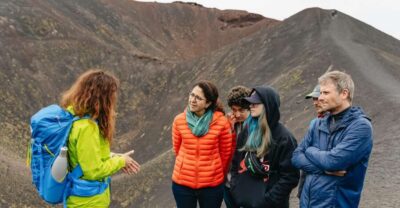
In the reviews, guides come across as both passionate and attentive. People specifically praise Giuseppe for pacing, Antonio for welcoming teaching, Edo for interesting facts, and Mario for a professional, friendly approach. Even without naming every guide you might meet, the pattern is clear: you’re not left guessing.
What makes the guiding style important for you is confidence. When you understand why you’re walking a certain direction, and what you’re looking at, the day feels smoother. You stop thinking only about your feet and start noticing volcanic shapes, channels, and crater edges. That shift is where the experience turns from hard work into a story you can remember.
The tour is also offered in English and Italian with a live guide. If you prefer one language over the other, it helps to check which guide fits your needs when you book. Either way, you should expect real explanations, not a rushed lecture.
Finally, remember the tour includes a safety briefing. On Etna, that isn’t just paperwork. It’s your best guide to how the group will move, what kind of terrain to watch for, and how to behave around crater-adjacent areas.
Price and value, plus the big extra cost
The price for this excursion is listed as $59 per person for the one-day trek. That sounds like a bargain for a full guided volcanic day, and the value gets even clearer when you compare what’s included.
You’re paying for:
- Volcanological or mountain guide service
- Hiking shoes with high collar
- New socks
- Windbreaker
- Trekking poles
- Protective helmet
- A 20% discount on sandwiches, snacks, and drinks
The one major cost not included is the cable car: return cable car ticket is not included, and the cable car journey costs €52.00. This is the part you should plan for early so you don’t get a surprise later.
Is it still good value with that extra cost? For many people, yes, because the excursion is not only about transport. You’re buying guided access into crater terrain at altitude with gear that reduces risk and improves comfort. If you were to do a similar route on your own, you’d likely spend time figuring out logistics and safety, and you might still need gear like helmets, poles, and sturdy footwear.
If you’re traveling on a tight budget, do the math before you book: add the €52 cable car cost to your $59 base price. If you can comfortably afford that total, the included gear and specialized guiding make the day feel like more than a hike.
Who this is best for, and who should skip it
This trip is built for active adults who can handle walking at altitude on rocky ground. It is not suitable for:
- Children under 6
- Pregnant women
- People with mobility impairments
- People with heart problems
- People with vertigo
- People with respiratory issues
- People with epilepsy
- Visually impaired people
- People with altitude sickness
- People with high blood pressure
- People with low level of fitness
- People over 95 years
If you look at that list and feel uncertain, it’s not a reason to force the booking. It’s a reason to choose a different Etna experience that matches your health and comfort. The crater edge segments are not the place to test yourself.
On the positive side, this tour fits you if you:
- Want real volcano terrain, not just a viewpoint
- Like learning what you’re looking at, geology and volcanology style
- Enjoy hiking where the goal is the walking itself
- Can handle wind and uneven ground
- Prefer a guide who manages pace, so the group stays together
The feedback also suggests the hike is moderately exhausting. That matches the structure: cable car up, multiple altitude segments, crater channel walking, then a return via cable car. If you’re used to day hikes at home, you’ll likely manage. If you’re not, I’d treat this as a training day you should prepare for.
Practical packing tips for a windy, rocky 3000m day
The tour recommends equipment like:
- Long pants
- Cap
- Gloves
- Sunglasses
- Protective creams
- Scarf
I’d treat these as the minimum because Etna can be bright and windy, and your face and hands take the hit. Sunglasses help with glare on pale rock. Gloves keep your hands comfortable if you’re adjusting your footing or poles. A scarf can help with wind and grit.
Also pay attention to your clothing layers. You’re at 3000 meters trekking on crater terrain. Temperature can change fast with altitude and wind. A windbreaker is included, but layering underneath is still smart.
Footing is everything. Even with high-collar shoes and trekking poles provided, you’ll do better if you move like you’re on a rock scramble, not a flat trail. Take shorter steps, keep your balance, and let the guide set the rhythm.
One more helpful detail: the meeting point is inside the bar. Show up a little early so you can get oriented without stress. When you’re at altitude and the day is physical, calm starts matter.
Should you book the Etna Craters Excursion 3000 meters?
Book it if you want a one-day experience that mixes guided volcanology with real hiking on 2002 lava flows, including the effusive crater channel and edge-of-crater views. You’ll likely love it if you enjoy learning while walking and you feel comfortable with altitude, wind, and uneven terrain.
Skip it if any of the listed health or comfort limits apply, especially vertigo, respiratory issues, altitude sickness history, heart problems, or high blood pressure. Also skip if you know you don’t handle rocky hikes well, because the route is built around crater terrain, not smooth paths.
If you do book, plan for the cable car cost, dress for wind, and commit to a steady pace. With a good guide, the day turns from intimidating to memorable, and you come back with a clear mental map of how Etna’s eruptions shaped what you walked through.
FAQ
What is included in the Etna Craters Excursion 3000 meters?
The tour includes a volcanological or mountain guide service, hiking shoes with high collar, new socks, a windbreaker, trekking poles, a protective helmet, and a 20% discount on sandwiches, snacks, and drinks.
How long is the tour?
The activity is listed as lasting 1 day.
What cable car altitudes does the excursion use?
It includes a cable car ride from 1900 meters up to 2500 meters before the trek starts.
Is the cable car ticket included in the price?
No. The return cable car ticket is not included, and the cable car journey costs €52.00.
What languages are the guides?
The live tour guide is available in English and Italian.
Where do I meet the group?
You meet at Bar Ristorante Crateri Silvestri, and you need to enter inside the bar.
Who is the tour not suitable for?
It is not suitable for children under 6, pregnant women, people with mobility impairments, heart problems, vertigo, respiratory issues, epilepsy, visual impairment, altitude sickness, high blood pressure, low fitness, and people over 95 years old.
What should I wear or bring?
The recommended equipment includes long pants, a cap, gloves, sunglasses, protective creams, and a scarf.
More Hiking & Trekking Tours in Catania
More Tour Reviews in Catania
Not for you? Here's more nearby things to do in Catania we have reviewed
Mount Etna Volcano Tours, compared.
 ★ 4.8Catania: Mount Etna Morning or Sunset Day Trip with TastingFrom $704,028 reviews
 ★ 4.7Mount Etna: Guided Volcano Summit Hiking Tour with Cable CarFrom $1243,784 reviews
 ★ 4.8Catania: Sunset Jeep Tour of Mount Etna and Lava Flow CavesFrom $712,113 reviews
 ★ 4.7Mount Etna: Trek to 3000m with cable car and jeepFrom $621,978 reviews
 ★ 4.8Mount Etna: Summit Crater Trek with Cable CarFrom $771,875 reviews
 ★ 4.8Etna and Alcantara Gorges Full-Day Tour with LunchFrom $1051,766 reviews
 ★ 4.3Mount Etna: Roundtrip Cable Car and 4×4 Bus TicketFrom $971,602 reviews
 ★ 4.7Etna Volcano: South Side Guided Summit HikeFrom $671,545 reviews
Browse the lists this tour appears in