
Reviewed · CATANIA CITY & FISH MARKET TOURS
Typical Pottery Experience with local Artisans in Catania
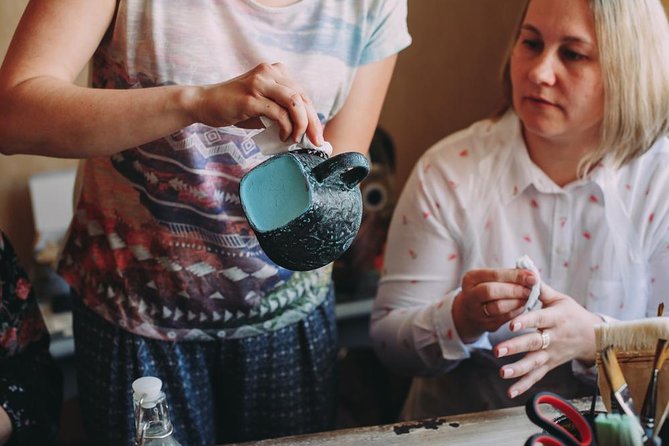
Pottery in Catania gets very hands-on fast. This 3-hour small-group workshop takes you inside Ceramiche De Simone for real studio time, starting with how Sicilian ceramics are made and ending with your own wheel-thrown piece plus a decorative tile. It’s offered in English, and the group size caps at 10, so you get attention when your hands (and the clay) do something unpredictable.
What I really like is the step-by-step guidance you get while you’re at the wheel and the paint table, not just watching from the sidelines. The other big win is the chance to make more than one souvenir, especially the tile decoration class that gives you a quick, satisfying win even if pottery is new.
One consideration: your work needs time to fire. Cooking takes about 48 hours, and if you want overseas shipping, that’s arranged later and costs extra.
Key Highlights at a Glance
- Wheel time in a real studio in the center of Catania, guided by artisans
- Throw your own piece and learn how shaping works on the lathe
- Paint a decorative tile as a second, more detailed take-home art project
- Small group size (max 10) means more hands-on help when you need it
- Optional overseas shipping after firing, with shipping costs paid separately
Pottery in the Heart of Catania, with a Real Workshop Flow
If you want a Catania experience that feels more like a working craft space than a staged activity, this one fits. You start at Ceramiche De Simone on Via Messina, 687 (in the 95126 area), and you’re not ushered through a quick demo. You’re pulled into the process, guided through production basics, then put your hands on clay and color.
The workshop is set up for people who have never made pottery before. That matters because wheel work can be intimidating if you only get a short explanation. Here, the studio runs you through the process, and the artisans provide practical tips as you go. It also helps that the setting is a functioning pottery lab, so you see how artisans actually work in the same space where you learn.
I also like that the experience includes two separate skills. You get wheel throwing plus a decorative tile painting class. That means even if the wheel gives you a challenge, you still end the session with something finished-looking and personal.
You can also read our reviews of more tours and experiences in Catania.



Your 3-Hour Schedule in Catania: What Happens When
This workshop is about 3 hours, and it moves through clear phases. The idea is to give you enough context to understand what you’re doing, then plenty of time to practice.
First, you get a historic introduction to pottery craftsmanship. You’ll hear about the origins of the studio and the broader roots of ceramic manufacturing in Sicily and beyond. You’re not stuck in trivia. The goal is to help you understand why certain steps happen and what the clay and firing process require.
Next comes the production overview. You’ll learn the steps of how ceramics move from raw material to finished object. In a pottery workshop like this, that context matters because it explains why you can’t rush everything. For example, what looks like an easy step in the moment still depends on what will happen later in the oven.
Then the hands-on portion takes over. You work on the lathe under artisan guidance. The studio helps you form your own ceramic piece. After that, you switch gears to decoration and paint your own handwork learning from an expert designer.
By the time you’re done, you can peruse the shop and completed ceramics. That part is fun because you can compare your fresh work with finished pieces made by skilled artisans. It also gives you ideas if you want to buy a souvenir that matches the style you worked on.
Wheel Throwing on the Lathe: The Skill That Feels Like Magic
The wheel segment is the heart of this workshop. You sit and work the lathe while an artisan guides you. The best part is that you’re not learning the theory of pottery, you’re learning the physics and technique you can feel in your hands.
Clay work teaches you three things fast:
- Timing matters. If you pause, the clay changes.
- Pressure matters. Too light and the form won’t shape, too firm and it can distort.
- Balance matters. Your hands and the wheel speed have to work together.
One of the most helpful details from the experience is how patiently the artisans explain the process. In the studio, Giovanni has guided guests at the wheel with patience and good humor, which is exactly what you want when your first attempt is clumsy. His approach makes the wheel feel less like a test and more like a skill you can build in real time.
If you’re coming with kids, this is also one of the segments that can hold attention. The younger ones can watch, participate at the table level, and still feel included when the artisan helps correct and shape.
Painting Your Decorative Tile: Color Meets Craft Rules
The tile painting class is a smart addition for beginners. Wheel work is about shape. Tile painting is about surface, pattern, and control. You’ll learn tips from an expert designer and decorate your own tile.
Painting sounds simple until you’re standing there with the tools in your hand. The brushwork has rules. You’ll likely find that making clean lines and getting the right thickness takes more effort than you expect. That’s not a downside though. It’s part of the satisfaction. You leave with a piece that looks intentional, not generic.
This also gives you a second “style outlet.” Wheel pieces can look different from person to person, but the tile lets you express personality through decoration choices. It’s also a good confidence booster if wheel throwing felt tough. You can focus on design and still feel proud.
The Artisan Studio Experience in Catania: Small Group, Big Attention
This is a max 10-person experience. That small-group size is a big deal. Pottery requires correction, hands-on pacing, and quick support when something goes off track. Larger groups usually mean you wait. Here, the studio keeps moving and helps you at the exact moment you need it.
Another practical detail: there’s a translator support element. The studio includes staff who can help translate questions and explain what artisans are doing. That makes the experience easier if your English is basic. Even if language isn’t perfect, the craft is visual, and the help keeps you from feeling lost.
The studio also feels like a family enterprise. In at least one group, the instructors were especially warm with young kids, creating a calmer, friendlier vibe. That matters if you’re trying to plan something where everyone can have fun, including someone who’s easily bored.
Finally, the workshop is near public transportation. So even if you’re not renting a car in Catania, you can still reach the studio without turning the day into a logistics puzzle.






Value and Price: Why $75.70 Can Make Sense in Sicily
At $75.70 per person, you’re paying for time in a real ceramic studio, instruction at the wheel, and a decorative tile class. You’re not just buying a souvenir. You’re paying for access to equipment and to artisans who guide technique.
Here’s how I think about the value:
- You get instructor time during both shaping and decoration, which takes more labor than a quick activity.
- You learn two crafts in one visit: throwing plus painting.
- Your work gets fired in a special oven after the session, with about 48 hours of cooking time. That’s part of the real pottery process, not an optional add-on you do later.
The pricing also lines up with a “half-day style” activity in a major city. But unlike some workshops where you mostly watch, this one has you producing.
What isn’t included is important. Souvenirs you buy are extra, and if you want shipping, that’s an additional charge. If you think you’ll only want one small item, plan to spend most of the budget on the session itself, then keep purchases optional.
What You Take Home: Fired Pieces and a Tile That Survives Reality
Your ceramic objects are cooked after the workshop. Cooking takes about 48 hours, in the special oven. That matters because it’s what turns soft clay into something durable.
You have a choice afterward. If you want, overseas shipping can be arranged at an additional charge. Shipping expenses are paid separately. That means you might not have to lug anything around during your Sicilian days, but you should budget for shipping if you choose that route.
You also get the chance to bring home at least one souvenir tile made by you. Souvenir shopping in the studio is optional. The shop is there, so you can pick something extra if you love the style, but there’s no reason to feel rushed into buying.
One more practical point: the experience includes an apron. That’s a small inclusion, but it makes the session feel more comfortable because you don’t have to worry about getting clay or paint on your clothes.
Who This Workshop Suits Best (And Who Might Reconsider)
This is a strong match for:
- Couples who want a hands-on date activity in Catania
- Families with kids, especially because instructors can be very patient and include children in a fun way
- Travelers who like authentic crafts and don’t want a “look but don’t touch” experience
- Anyone curious about how ceramics go from raw clay to something fired and finished
It may not be the best fit if:
- You have very limited time and need something shorter than 3 hours
- You want a passive activity with zero mess and minimal waiting
- You’re hoping to leave with everything in your hands immediately. The firing time means your final pieces need processing before shipping or full completion.
Also, it’s described as most travelers can participate. One group experience included attention for a person with a disability, which suggests the team can provide care and support. Still, if you have specific needs, it’s smart to ask ahead so the studio can plan.
Practical Tips Before You Go
Here are the small things that make a pottery class in Sicily feel smoother:
- Dress for clay. Even with an apron, you might get a little mess. Wear clothes you can tolerate.
- Expect the wheel to be harder than you picture. That’s normal. The joy is learning by doing.
- Give yourself time to enjoy the studio shop afterward. Looking at finished ceramics can help you appreciate what you just made.
- If you’re considering shipping, think about it early. Overseas shipping is an option, but it comes with separate costs.
Should You Book This Catania Pottery Class?
I’d book it if you want a real craft day in Catania, with hands-on wheel work, painting, and an instructor-led pace that works for beginners. The small group size and the warm teaching style make it especially attractive for families and for travelers who value personal attention.
I’d think twice if shipping and timing matter a lot for your schedule. Because firing takes about 48 hours and shipping is extra, you need to be okay with the idea that your work may leave your hands later rather than immediately.
If you’re visiting Catania and want something meaningful that isn’t just another photo stop, this pottery studio workshop is a solid choice.
FAQ
How long is the pottery experience in Catania?
It runs for about 3 hours.
What is the price per person?
The price is $75.70 per person.
What language is the workshop offered in?
The experience is offered in English.
What’s included in the ticket?
Included are a pottery studio visit, hands-on ceramic work using the lathe (wheel), a tile decoration class, and an apron.
Can the finished pieces be shipped?
Yes. Overseas shipping can be arranged for an additional charge. Shipping expenses are paid separately.
Is there a cancellation refund policy?
Free cancellation is available. You can cancel up to 24 hours in advance for a full refund, and changes less than 24 hours before the start time are not accepted.
More Tour Reviews in Catania
Not for you? Here's more nearby things to do in Catania we have reviewed












Catania City & Fish Market Tours, compared.
 ★ 4.8Catania: Mount Etna Morning or Sunset Day Trip with TastingFrom $704,028 reviews
 ★ 4.8Catania: Sunset Jeep Tour of Mount Etna and Lava Flow CavesFrom $712,113 reviews
 ★ 4.9Catania: Mount Etna Trekking Trip off the Tourist PathFrom $781,351 reviews
 ★ 4.8Catania: Etna Sunset Tour with Pickup and Drop-offFrom $711,348 reviews
 ★ 5.0Mt. Etna and Taormina village full day tour from CataniaFrom $1181,155 reviews
 ★ 4.7From Catania: Mount Etna Sunset Tour with Tasting and CaveFrom $451,119 reviews
 ★ 4.8Catania: Etna Morning Excursion with Tasting and PickupFrom $67820 reviews
 ★ 4.9Catania: Amazing Etna Morning Tour with Pickup and Drop-OffFrom $81799 reviews
Browse the lists this tour appears in