
Reviewed · MOUNT ETNA VOLCANO TOURS
Sicily: Mount Etna’s North Slope Craters Guided Hike Tour
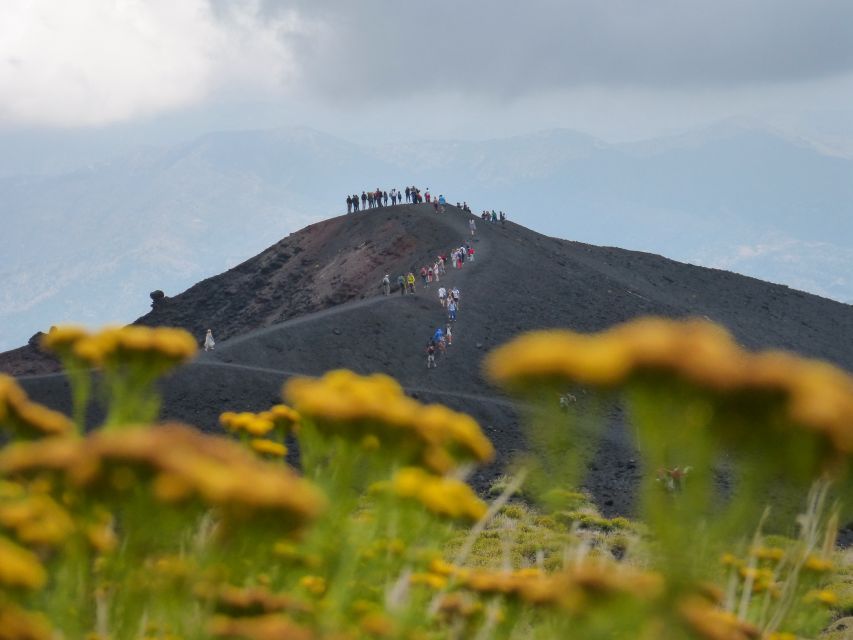
Mount Etna makes geology feel personal. This 3 hour hike leads you across the north slope craters, where the terrain still shows the aftermath of eruptions and the volcano’s steady reshaping of Sicily. I like how the guide keeps it factual and clear, and I also love the moment you walk from forest shade out toward raw, open crater views.
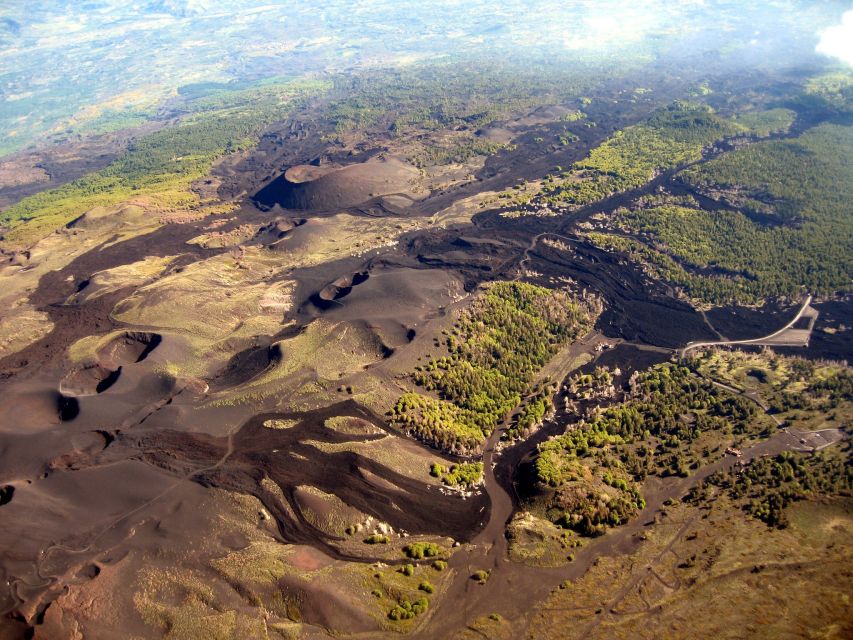
What I especially liked was the combination of science and scenery. You start with an easy path along the edge of a lava flow, then climb through a beech forest before reaching the crater area on the northern side. I also appreciated how the walk connects the visuals to real features like the canyon linked to the magmatic mass that flooded and partially destroyed the old Ragabo Pinewood.
One thing to plan for: this is outdoors on uneven volcanic ground, and the tour timing can shift if weather turns. Bring sturdy hiking shoes and enough water, since snacks and drinks are not included.
Key things you will notice on this Mount Etna hike
- Piano Provenzana start point: You meet at the area many people associate with Etna’s ski season, then get set up with a safety briefing before you move.
- Lava flow edge walking: The first stretch tracks along the lava boundary, so you get oriented on how the ground formed.
- Beech forest ascent: You transition from forest trails to volcanic rock, which makes the crater terrain feel even more dramatic.
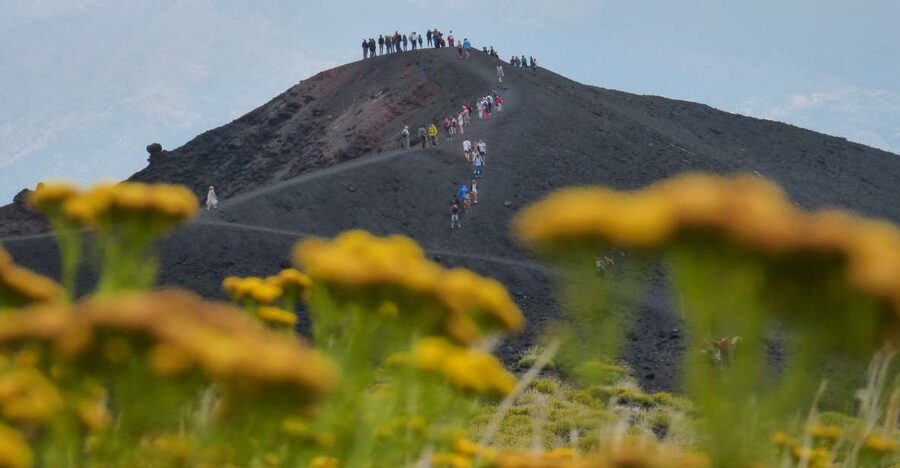
- North slope crater focus: You reach the area linked to eruptions from the last few decades and learn what you are seeing.
- Crossing side crater lava: You carefully cross lava that runs through side craters, with explanations tied to the volcano’s ongoing changes.
- Deep canyon and Ragabo Pinewood: The route includes a striking canyon feature tied to the magmatic flooding impact on the old pines.
From Piano Provenzana to the crater rim: how the tour actually plays out
This hike runs about 3 hours, and it is built around a clear rhythm: safety first, easy terrain to get your legs working, then a more crater-focused route with multiple viewpoints. You meet your guide at Piano Provenzana, and you are asked to arrive early so you can get a proper briefing before heading onto the mountain.
The best part of starting here is that it sets the tone. Even if Etna feels famous from photos, the walk begins in a way that helps you understand scale. You get the basics about what to expect, how to move on volcanic ground, and what to look for as the route transitions from vegetation to rock.
You can also read our reviews of more guided tours in Sicily
Safety briefing and pacing: the part that makes crater walking feel manageable
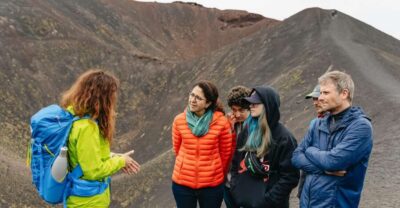
Before you hike, you get a safety briefing with details about the excursion. That matters here because crater edges and lava terrain can look solid but still require careful footing. The guide sets expectations about where the ground can be uneven and how the group should move.
I also like that the guides in this experience tend to be hands-on and responsive. In past groups I’ve encountered on Etna routes, the difference between a frustrating outing and a great one comes down to pacing and explanations. Here, people highlight how friendly, engaged guides helped them keep up, even with questions. Guides named Grazia and Francesco, plus Francesca, are all connected with the positive energy and clear explanations that make the time feel worthwhile.
Along the lava flow edge: getting your bearings on a living volcano
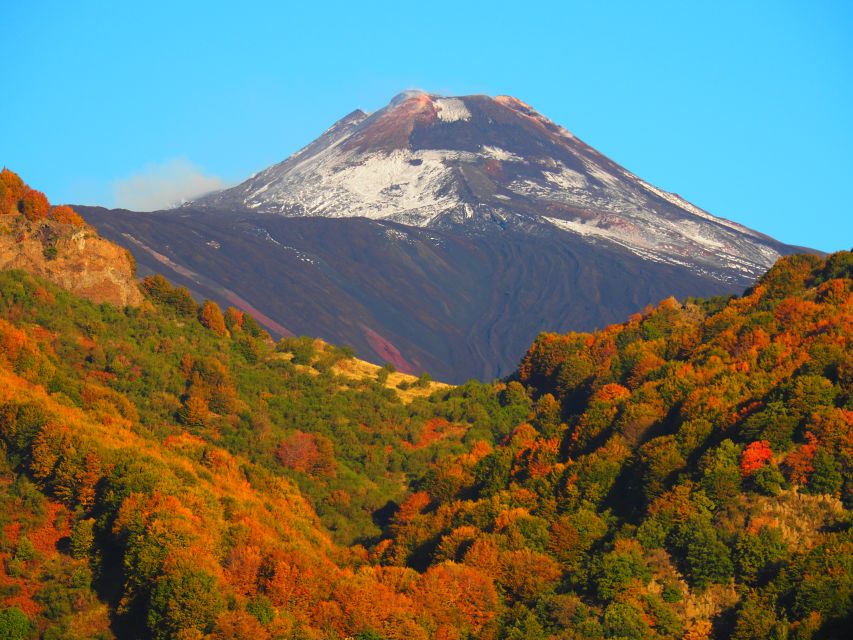
Your trek begins on an easy path running along the edge of a lava flow. This is a smart start because it teaches you how to read the terrain. You see where lava has moved, how it has cooled, and how the ground forms boundaries you can actually follow on foot.
This part is also useful for your comfort. If you jump straight to the craters without warming up, you can feel mentally behind. The lava edge section helps you get balanced, check your shoes, and settle into the environment. The guide can then point out what matters before you start moving deeper into crater territory.
Beeches to badlands: why the forest stretch is more than a warm-up
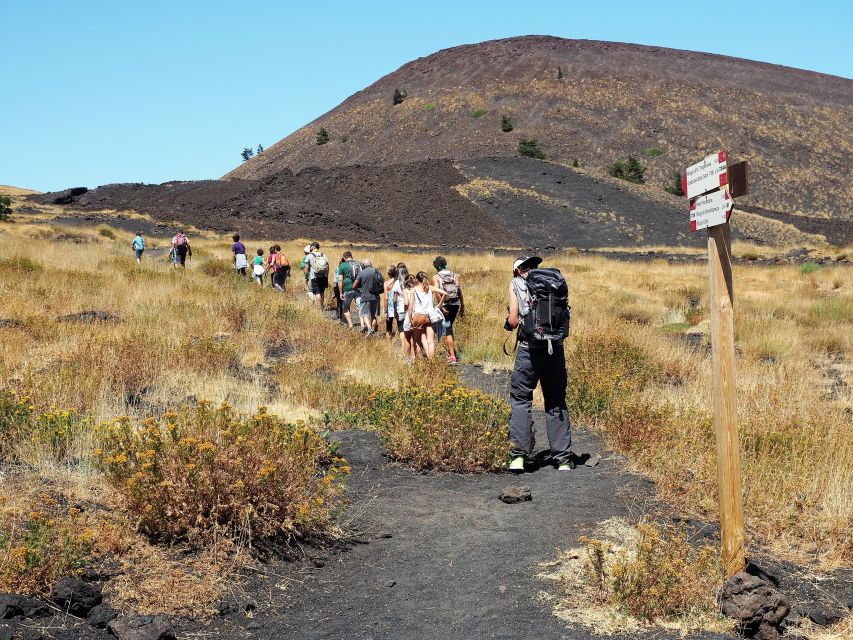
After the lava-edge walking, the route climbs through an idyllic forest of beech trees. This creates a strong contrast. In the shade, your brain expects hiking trails. Then you shift toward the harsher volcanic terrain and the volcano’s power becomes harder to ignore.
The beech segment also gives you a break from the most exposed parts later on. Even if you are excited to reach the craters, that forest time makes the crater views feel earned. It also helps with photographs: the greenery frames Etna’s dominance, so you can see how dramatic the volcano really is against an active, growing ecosystem.
Reaching the north slope craters: what the last decades taught the mountain
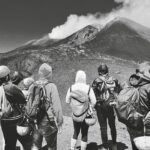
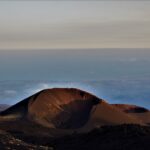
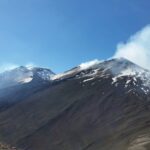
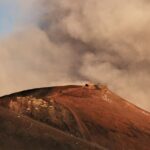
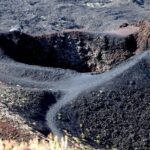
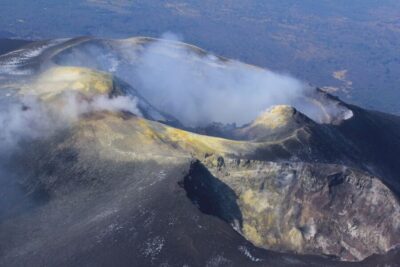
The tour’s core goal is the north slope craters. You head to the crater base on the northern side, where some of the most important eruptions of the last few decades took place. What you are really doing here is walking through the volcano’s recent language.
This is not just a sightseeing stop. It is where the terrain tells stories through rock shapes, crater edges, and lava pathways. The guide’s job is to connect the visuals to the eruption impacts and to help you understand how a volcano can keep transforming the land without ever looking the same twice.
If you like learning while you walk, you will likely appreciate the way the guide explains what you are seeing as you reach key points. People mention detailed, available explanations and a friendly, patient teaching style, which is perfect for anyone who wants more than a quick overview.
You can also read our reviews of more hiking tours in Sicily
Crossing lava from side craters: the science is in the movement
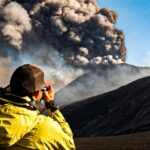
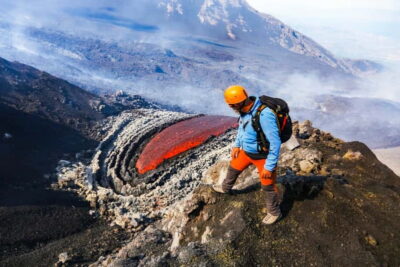
As you explore, you carefully cross a lava flow that leaks through the side craters. This is one of the more memorable parts, because you are not just looking at volcanic features from a distance. You are stepping across them while the guide explains what lava paths can mean for how eruptions evolve.
Why this matters for your experience: seeing crater rims and viewpoints is great, but the feeling of walking across lava makes the whole idea real. It turns a concept into a footing. You also tend to understand the logic of the terrain faster, because your body notices changes in texture, elevation, and rock structure.
Ragabo Pinewood and a deep canyon: where geology hits the human-scale view
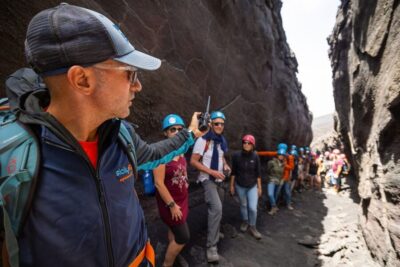
Later on, the route follows a path leading to a deep canyon engraved by the enormous magmatic mass that flooded and partially destroyed the centuries-old Ragabo Pinewood. This is where Etna stops being only about dramatic shapes and starts being about consequences.
The canyon and the altered pinewood area help you connect volcanic activity with living landscapes, including forest loss and long-term change. Even when you are focused on hiking, this stop anchors the walk in something bigger than the crater perimeter.
I like that the route does not treat nature as background. It treats it as the star of the story, with the volcano as a powerful agent shaping what can grow, what survives, and what transforms.
Walking the crater perimeter: panoramic views with an eruption mindset
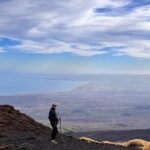
The later stages include walking along the edge of the craters and going along their entire perimeter. This is where you get the sweeping views that make Etna feel colossal over the Sicilian setting. The open crater edges also give you a natural lesson in scale, because you can see how wide the terrain changes are.
As you walk the perimeter, the guide encourages you to take your time. You start to imagine what kind of eruption force could produce those shapes. It becomes easier to connect the science you are hearing with the forms you are standing on.
This is also a good time to slow down for photos, but not so long that you lose the group pace. The best viewpoint angles usually come when you stop at safe, stable spots, let your eyes adjust, and then capture the view.
Practicalities that matter: price, duration, and what is included
The price is $52 per person for about 3 hours. The included item is a guide, and that is basically the whole value proposition. You are paying for an expert who can guide you safely across volcanic ground and translate the craters into understandable geology and eruption impacts.
Is that worth it? In my book, yes, if you want more than photos. A guided route is especially useful on active-volcano terrain because explanations help you avoid just walking around blind. You can also ask questions in real time, and people have noted how responsive guides are, including when the group includes kids.
What is not included: snacks and drinks. That affects you more than you might think. Even though it is only 3 hours, volcanic hikes can dry you out, and you will want water ready from the start. Plan to carry your own snacks if you like a bite partway through, and make sure you do not treat this as a casual stroll.
Who this hike suits best
This tour fits nature lovers who enjoy walking with a purpose. You do not need to be a hardcore hiker, but you should be comfortable on rocky, volcanic ground and willing to climb a bit after the initial easy path. If you like botany and plant life around Etna, you will likely enjoy the way the guide ties the surrounding forest and vegetation to the broader mountain story.
It also suits families in the sense that groups have described completing the hike with an 8-year-old when the guide paced well. If you are traveling with kids, bring good shoes, water, and patience for slower moments.
Weather and route changes: what you can control
The tour notes that depending on weather conditions, the reservation may be subject to change or cancellation. That is not unusual for Etna. What you can control is showing up prepared. Wear hiking shoes with solid grip, bring water, and dress in layers. Wind and temperature shifts can feel real once you get above the trees.
If conditions look questionable at the meeting point, trust the guide’s judgment. A volcano is never the place to improvise.
Should you book this Mount Etna north slope craters hike?
Book it if you want your Etna visit to feel educational and grounded. You will spend real time on the north slope craters, walk along lava edges, and get guided context that helps you interpret the terrain instead of just admiring it from a distance.
Skip it or choose a different format if you hate rough footing, want a snack-and-lounge kind of outing, or cannot handle potential weather-related changes. Also, if you expect lots of comfort stops, plan differently, since this is a focused 3 hour trek.
If you are deciding between a quick Etna photo stop and a guided hike, this one leans toward the better value for people who actually want to learn while they move. Guides like Grazia and Francesco, plus Francesca, are repeatedly associated with the kind of clear, friendly explanations that make the craters click in your mind.
FAQ
Where is the meeting point for the Mount Etna north slope craters hike?
You meet at Piano Provenzana. It is important to arrive early for the guide’s briefing.
How long is the tour?
The hike lasts 3 hours.
What should I bring?
Bring hiking shoes and water.
Is a guide included?
Yes. The tour includes a live hiking guide.
What languages are offered?
The live tour guide is available in Italian and English. French is available upon request.
What should I do if the weather is bad?
The reservation may be subject to change or cancellation depending on weather conditions.
Are snacks and drinks included?
No. Snacks and drinks are not included, so you will want to plan to bring your own.
More Guided Tours in Sicily
More Tours in Sicily

More Tour Reviews in Sicily

Not for you? Here's more nearby things to do in Sicily we have reviewed






Mount Etna Volcano Tours, compared.
 ★ 4.8Catania: Mount Etna Morning or Sunset Day Trip with TastingFrom $704,028 reviews
 ★ 4.7Mount Etna: Guided Volcano Summit Hiking Tour with Cable CarFrom $1243,784 reviews
 ★ 4.8Catania: Sunset Jeep Tour of Mount Etna and Lava Flow CavesFrom $712,113 reviews
 ★ 4.7Mount Etna: Trek to 3000m with cable car and jeepFrom $621,978 reviews
 ★ 4.8Mount Etna: Summit Crater Trek with Cable CarFrom $771,875 reviews
 ★ 4.8Etna and Alcantara Gorges Full-Day Tour with LunchFrom $1051,766 reviews
 ★ 4.3Mount Etna: Roundtrip Cable Car and 4×4 Bus TicketFrom $971,602 reviews
 ★ 4.7Etna Volcano: South Side Guided Summit HikeFrom $671,545 reviews
Browse the lists this tour appears in