
Reviewed · CATANIA CITY & FISH MARKET TOURS
Catania: Pasta & Tiramisu Cooking Class at a Local’s Home
Roll pasta at a Sicilian kitchen table. In Catania, this Cesarine home class teaches you to roll sfoglia by hand and then make two pastas and tiramisu, with an aperitivo and wine. I like that it feels practical and friendly, not like a show, and that the food stays simple and genuinely Sicilian. The only drawback I see upfront is the privacy setup, you get the full address only after you book.
This is a 3 hour class led by an Italian, English instructor in a local home. You warm up with an Italian Aperitivo, then cook, then taste what you made. If you dislike hands-on cooking, this may not be your cup of espresso.
Key highlights worth marking on your map
- Hand-rolled sfoglia: learn to roll fresh pasta dough by hand
- Two pasta types, from scratch: mix, shape, and understand what makes each one work
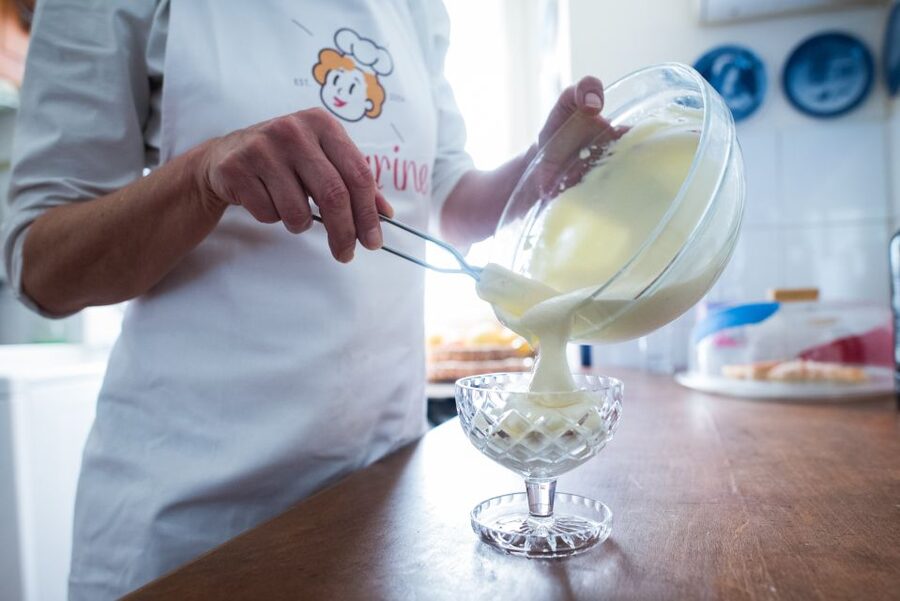
- Classic tiramisu practice: you make it, then you get to eat it
- Aperitivo with prosecco and nibbles: a proper start, not just a cup of water
- Sit-down tasting included: you taste both pasta recipes and the tiramisu
Cesarine Cooking in Catania, in Someone’s Real Home
A cooking class in a restaurant can feel like a performance. This one is different because you cook in a local home through the Cesarine network, the Italian home cook group that opens their kitchens to visitors for small, friendly lessons.
What I like most is how quickly you shift from watching to doing. You are not just learning names of dishes. You are making decisions, kneading, rolling, and shaping, and you get to eat the results at the end.
The other big win is the host factor. Depending on your date, you might cook with people like Graziella and Andrea, or Maurizio, or Angela, or Laura, and the common thread is welcome and patience. One home even used a roof terrace setting with city and Mount Etna views, which turns a 3 hour class into a memorable Catania evening.
You can also read our reviews of more cooking classes in Catania
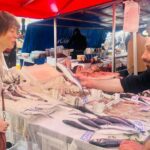
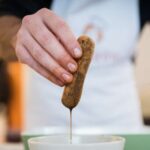
What You Actually Cook: Sfoglia, Two Pastas, and Tiramisu
The core promise is simple: you make pasta the Italian way, plus you learn the iconic tiramisu.
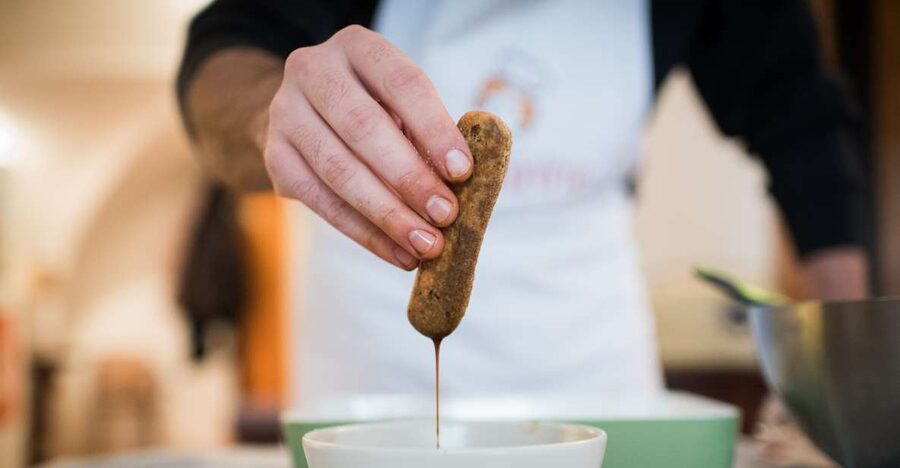
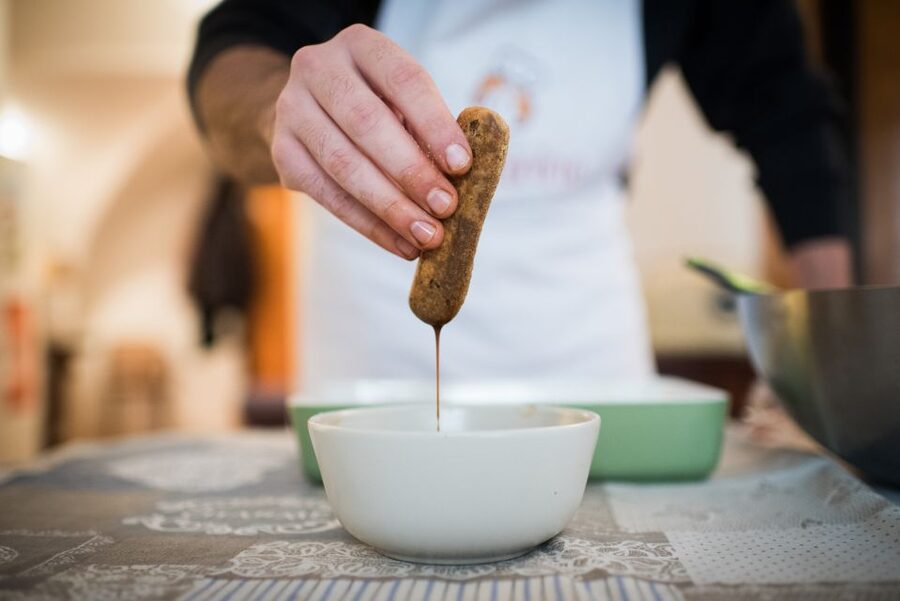
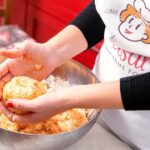
You start with sfoglia, fresh pasta dough, rolled by hand. Then you learn how to prepare two iconic pasta types from scratch. The last main course is the tiramisu, the dessert most people in Italy treat as a serious craft, not a casual shortcut.
Here is why that set of dishes is such a smart choice. Pasta dough skills are transferable. Once you understand rolling and handling, you can better appreciate what different shapes do to sauce. And tiramisu is a perfect finale because it is all about timing and texture, not just taste.
Aperitivo Warm-Up: Prosecco and Nibbles Before You Cook
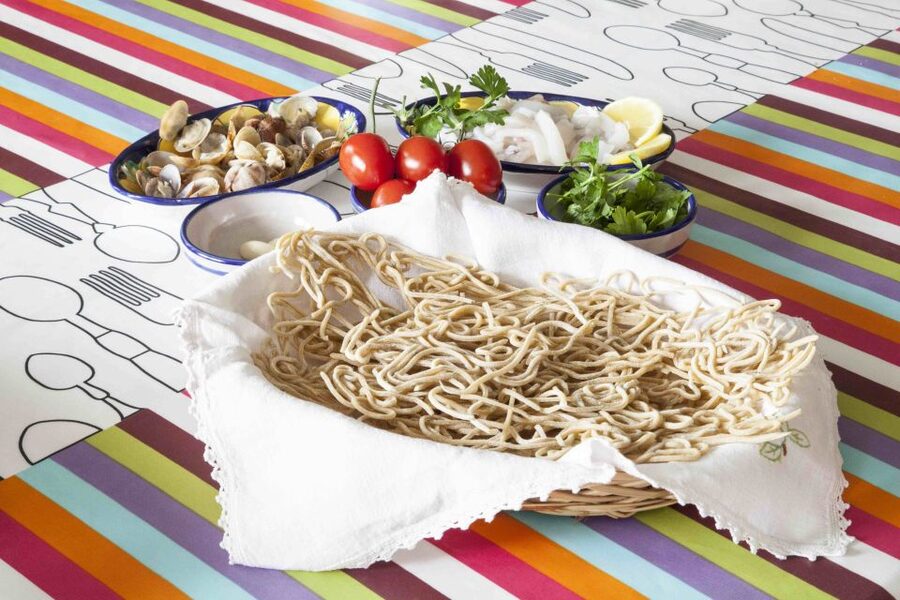
You begin with an Italian Aperitivo: prosecco and nibbles, plus beverages like water, wines, and coffee during the class.
This matters more than you might think. Aperitivo is the social bridge in Italian meals. It gets you relaxed before the flour flies, and it turns the class from a lesson into an actual evening with food at the center.
You also get a smoother rhythm. You do not jump straight into dough with cold nerves. You chat first, sip something bright, and then get to the work with a clear head.
Rolling Sfoglia by Hand, and Why That Skill Changes Everything
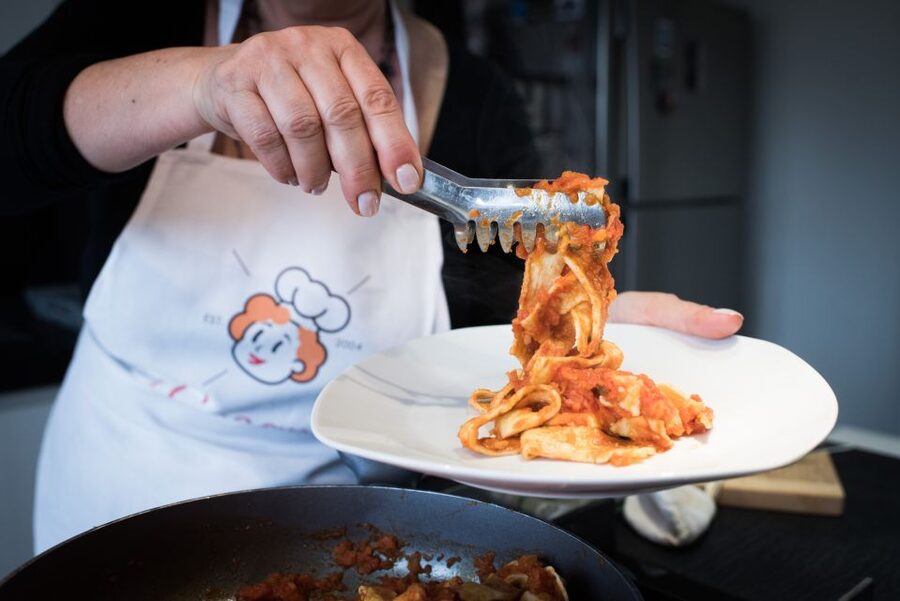
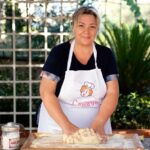
Hand-rolling sfoglia is one of those skills that sounds basic until you try it. That is exactly why this class is valuable. You learn the feel of the dough and how to work with it without overthinking.
In practice, the difference between dry, tough pasta and elastic, silky pasta often comes down to small moves: how you handle the dough, how thick you roll it, and how you keep it workable. When an instructor explains what to look for, you start reading the dough like it is giving you instructions.
I also like that you are not stuck copying a single move. You learn the principles, so you can adjust if your dough behaves a little differently in a home kitchen than it did at home.
Two Pasta Types from Scratch, Built for Learning
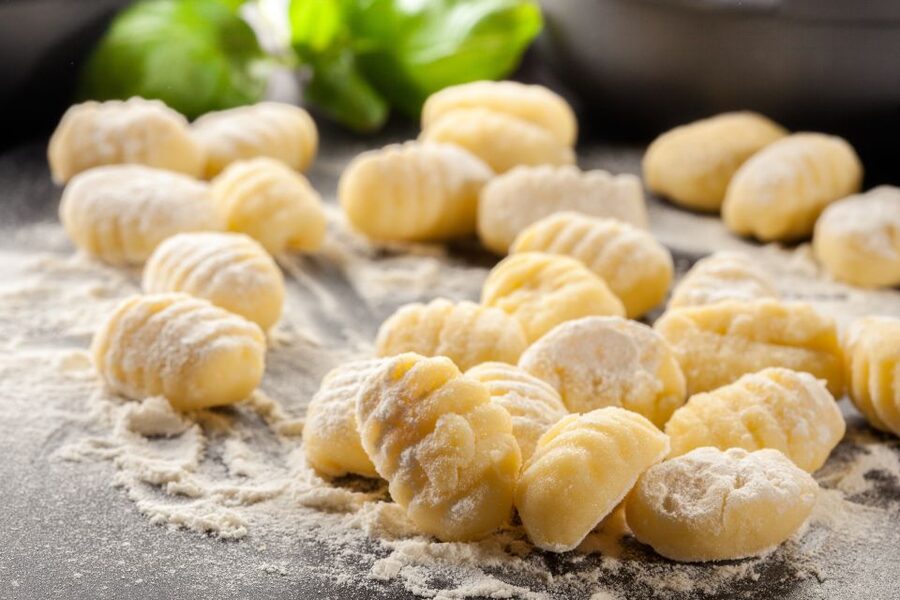
This class includes two different pasta types, and you go beyond the “form it and hope” stage. You make them from scratch, then you eat what you made.
One reason I recommend this style of cooking lesson is that it builds contrast. You see how different shapes and preparations create different outcomes. Even if you are not a pasta expert, you start to understand the logic of Italian cooking, where form, sauce, and texture are connected.
If you are the kind of person who likes to ask why, this is the sweet spot. The lesson naturally creates questions because you are doing it, not just reading about it.
And if you are not a heavy foodie, you still win. The dish you end up eating is the proof. You get a tasting of the two pasta recipes and the tiramisu, so you can compare what you made and what you learned in real time.
More Sicily island tours, Etna days, coastal boat trips, and food experiences to compare
Tiramisu Timing: Starting Early Helps It Set
Tiramisu has one rule that home cooks never ignore. It needs time to set and meld.
In these classes, the flow is designed so you can actually finish the pasta portion and still have tiramisu ready to taste. In some sessions, hosts start the tiramisu early so it can rest properly while you work, which makes the end of the class feel complete, not rushed.
What you learn here is not just assembling a dessert. You learn the pacing of dessert-making in an Italian home kitchen. You go from mixing to layering, and then you wait long enough for the dessert to reach that classic, spoonable texture.
Eating What You Made, Plus Sicilian-Style Drinks
The included food-and-drink setup is one of the biggest value drivers. You get beverages like water, wines, and coffee, plus the aperitivo start.
The class is not just about ingredients. It is about the full meal arc. You cook, you taste, and you drink along the way. That is how you leave feeling like you truly experienced Catania at the table, not like you attended a workshop and escaped quickly.
If you want a souvenir, this is a flavorful one. You take home the memory of how fresh pasta feels in your hands, and you take home the taste of tiramisu you made yourself.
Price and Value: What $112.15 Buys in Real Ingredients and Real Time
The price listed is $112.15 per person for a 3 hour class. At first glance, that can feel steep compared to a cooking demo. But the value math looks better when you consider what is actually included.
You are paying for:
- Instruction in an Italian home kitchen (not a large venue)
- Ingredients and preparation for two pasta recipes and tiramisu
- Aperitivo with prosecco and nibbles
- Beverages like wines, coffee, and water
- Local taxes included
- Tasting of everything you cook
The big difference is that you get more than samples. You get full portions of what you make. And because you learn hands-on, the meal is both a lesson and dinner.
So if your goal is to eat well in Catania while learning a few core techniques, this price starts to feel fair. If your goal is to watch from a chair and take photos, you will likely feel the cost more than the benefit.
Logistics Inside a Private Home: How the Address Setup Works
This activity takes place in a local’s home. For privacy, you only receive the full address after booking, and you get host details like telephone and full address once the organizers receive your information.
That means you should plan to keep an eye on your email and messages as your class date gets closer. It also means you should arrive a little calmer than you would for a standard meeting point, because you are finding a home, not a public restaurant.
The class ends back at the meeting point, so you do not have to plan any extra transit after the meal. You will still want comfortable shoes, since home kitchens can be tighter and floors can be uneven.
Language and Teaching Style: Italian and English, Plus Plenty of Help
The instructor speaks Italian and English, so you can follow along without needing an Italian vocabulary list.
One reason I like bilingual classes is that they keep the explanations clear. If something gets confusing, an instructor can shift how they describe the same step, which makes it easier to correct mistakes early.
From the experience notes, hosts consistently focus on guidance and patience. When you are learning to roll dough by hand, you need that. One misstep can make dough too thin, too thick, or too stubborn, and good coaching saves time.
Who Should Book This Catania Class (and Who Might Skip It)
This class is a strong fit if you:
- Want to learn fresh pasta techniques, not just eat pasta
- Enjoy hands-on cooking and want a guided, step-by-step experience
- Like a home setting with an aperitivo start and wine included
- Prefer a class that ends with a satisfying meal
It may be less ideal if you:
- Need wheelchair-friendly access, since it is listed as not suitable for wheelchair users
- Want a purely observational experience, since you are expected to participate in the prep and shaping
Also, if you are traveling solo, this can still work well because the host and the cooking process create natural conversation. If you are traveling with a partner or friends, it is a fun shared activity where you can compare how your pasta came out.
Should You Book This Pasta and Tiramisu Class?
If you like food that you can make yourself, yes, I think you should book it. The combination of hand-rolled sfoglia, two pasta types, and classic tiramisu hits a great trio of skills. Add in the prosecco aperitivo and Sicilian wine and you have a full evening worth doing in Catania.
Book it especially if you want something more local than a standard cooking studio. This is a home kitchen lesson, with hosts who treat the experience like sharing their routine, not performing for a crowd.
FAQ
What dishes will I learn to make?
You will learn to roll fresh pasta dough (sfoglia) by hand, make two pasta types from scratch, and prepare the classic tiramisu.
How long is the cooking class?
The class duration is listed as 3 hours. Starting times vary, so check availability when you book.
Is an aperitivo included?
Yes. You get an Italian Aperitivo that includes prosecco and nibbles.
What drinks are included during the class?
Beverages included are water, wines, and coffee.
What languages are the instructions in?
The instructor teaches in Italian and English.
Where does the class take place?
It is held in a local’s home. For privacy, you receive the full address only after you book.
Is this class accessible for wheelchair users?
No. It is listed as not suitable for wheelchair users.
Can I cancel for a refund?
Yes. Free cancellation is available up to 24 hours in advance for a full refund.
Can I reserve now and pay later?
Yes. You can reserve your spot and pay nothing today, then pay later.
More Workshops & Classes in Catania

More Cooking Classes in Catania
More Tour Reviews in Catania





Not for you? Here's more nearby things to do in Catania we have reviewed











Catania City & Fish Market Tours, compared.
 ★ 4.8Catania: Mount Etna Morning or Sunset Day Trip with TastingFrom $704,028 reviews
 ★ 4.8Catania: Sunset Jeep Tour of Mount Etna and Lava Flow CavesFrom $712,113 reviews
 ★ 4.9Catania: Mount Etna Trekking Trip off the Tourist PathFrom $781,351 reviews
 ★ 4.8Catania: Etna Sunset Tour with Pickup and Drop-offFrom $711,348 reviews
 ★ 5.0Mt. Etna and Taormina village full day tour from CataniaFrom $1181,155 reviews
 ★ 4.7From Catania: Mount Etna Sunset Tour with Tasting and CaveFrom $451,119 reviews
 ★ 4.8Catania: Etna Morning Excursion with Tasting and PickupFrom $67820 reviews
 ★ 4.9Catania: Amazing Etna Morning Tour with Pickup and Drop-OffFrom $81799 reviews
Browse the lists this tour appears in