
Reviewed · SYRACUSE & ORTIGIA TOURS
Pantalica nature history and archeology
Ancient tombs meet wild hiking in Pantalica. I love the mix of UNESCO necropolis ruins and Byzantine rock churches, and I love how the walk turns plant spotting into useful know-how about medicinal and toxic uses. The one consideration is that the best add-ons, like a possible swim and karst caves, depend on having good weather.
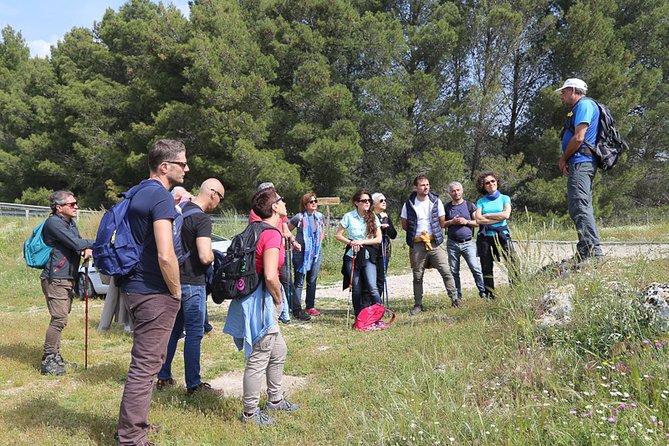
I’d pick this tour for its tight focus and small group size, with Gregorio Chiarenza leading up to 12 people. You’ll cover archaeology and nature in about 3 hours, with a maximum walking distance of roughly 5 kilometers, starting and ending at Piazza San Sebastiano.
Key highlights you should know
- Bronze Age scale: see thousands of artificial cave tombs in Europe’s largest final Bronze necropolis
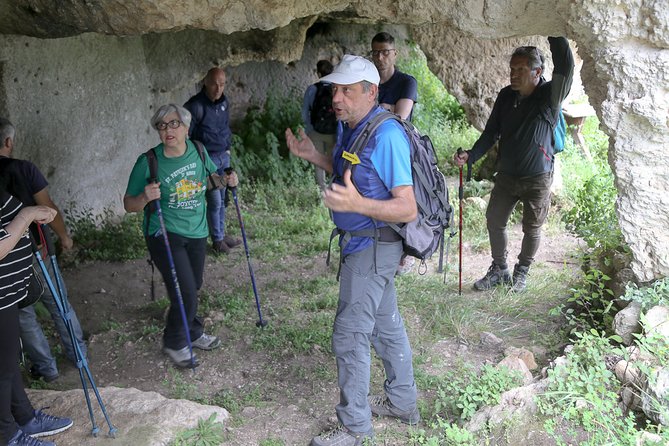
- Byzantine rock churches: visit San Micidiario and San Nicolicchio and their 4th century churches
- Prince’s power center: explore the Anaktoron, the XII century BC seat of local power
- Plants with real-world uses: learn why you might care about endemic Iblea flora, orchids, and scrub plants
- Optional water and caves: if conditions allow, you may swim in Calcinara and visit an active karst cave
Pantalica in one hike, UNESCO tombs plus wild Sicilian nature
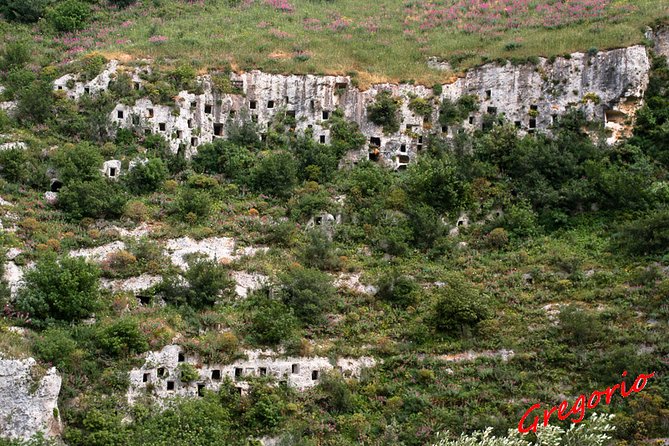
Pantalica is the kind of place where you stop thinking in single categories. You’re not just looking at ruins, and you’re not just walking through scenery. The reserve combines a huge prehistoric cemetery with later medieval villages and churches, all carved into limestone and marl shaped by the Anapo River system.
That matters because the site feels layered. One moment you’re trying to picture life tied to the cave tombs, the next you’re looking at vegetation that grows in this Mediterranean scrub zone, including Iblea endemic plants. The hiking stays short enough to keep things comfortable for most people, but the setting still gives you that big wow factor.
You can also read our reviews of more historical tours in Sicily



Meet Gregorio Chiarenza and how the tour stays enjoyable
Gregorio Chiarenza runs this as a talk-walk format. The point is not to speed through facts. You’ll get guided stops that connect time periods, like Sicily’s path from the 12th century BC to later eras.
I like that the guide covers different topics without turning the experience into a lecture. Archaeology and botany are both part of the same route, so you keep switching gears naturally. One reason many people rave about the experience is that explanations are both detailed and easy to follow, with a sense of humor that keeps the morning light.
Practical note: the group is capped at 12. That smaller size helps you ask questions, and it also means the walk feels more like a shared outing than a crowded bus stop shuffle.
Bronze Age necropolis, Byzantine villages, and the prince’s palace
The archaeology portion is built around major, named sites, not random ruins. This is the heart of why Pantalica stays memorable.
Europe’s largest final Bronze necropolis
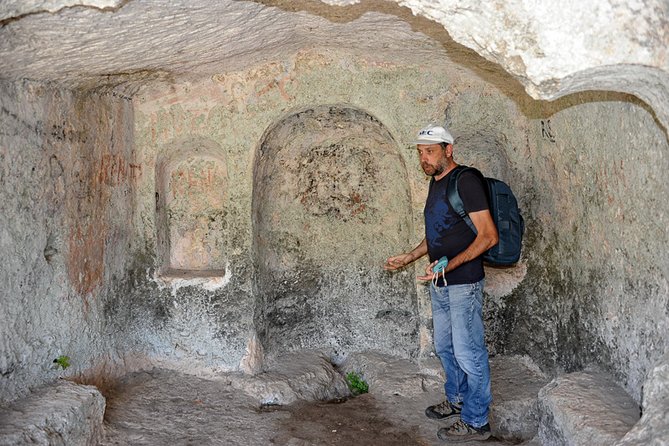
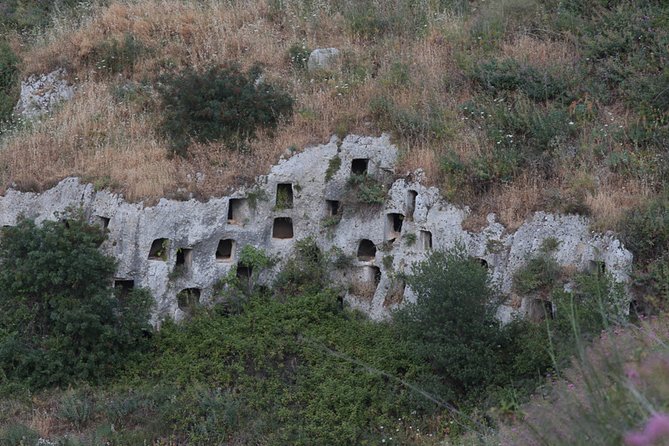
You’ll visit the reserve’s massive prehistoric cemetery, known for its final Bronze Age tombs. The scale is hard to grasp until you’re standing in the area: there are about 5,000 artificial cave tombs.
The value for you is perspective. Seeing a necropolis of that size changes how you think about ancient communities. Instead of imagining a few graves, you picture a whole social landscape built for generations.
San Micidiario and San Nicolicchio, Byzantine rock churches
Next come the Byzantine villages of San Micidiario and San Nicolicchio. Both are associated with 4th century rock churches.
What I find useful here is the contrast. The Bronze Age tombs are about a deep timeline, and then the Byzantine churches bring you into a different kind of relationship with the rock. It’s the same terrain, different purpose, and you can feel how people reused the landscape instead of starting over.
The Anaktoron, a XII century BC power seat
You’ll also see the Anaktoron, described as the prince’s palace and seat of local power from the XII century BC.
This is a great stop if you like political geography, not just art or architecture. It pushes you to think about who held authority and why that mattered in a place like Pantalica, where geography made routes and resources important.
The Greek trench and the old railway, Ciccio Pecora
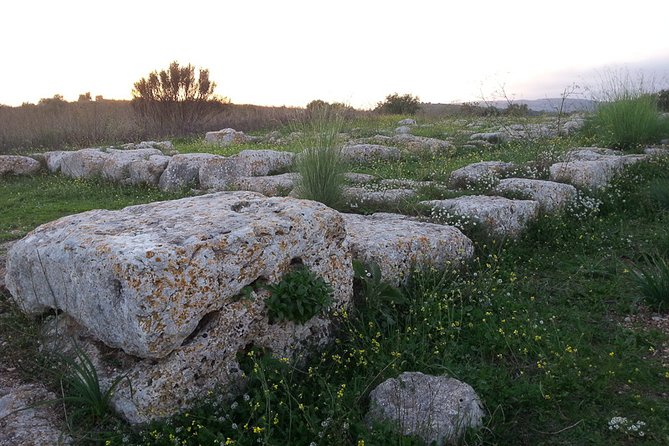
Two other features help round out the timeline. You’ll see remains of a Greek trench, and you’ll also encounter the narrow gauge railway called Ciccio Pecora, which was in operation until the last century.
These stops do something clever for your understanding: they show how the landscape kept getting used long after the earliest stories. Even if you’re not a rail person, Ciccio Pecora is a fun reminder that history isn’t only stone churches and tombs. Sometimes it’s also work, transport, and daily survival.
Botanicals along the path, orchids and Iblea endemic flora with context
The nature side of this tour is not just passive looking. The walk is set up so you learn what you’re seeing and why it matters.
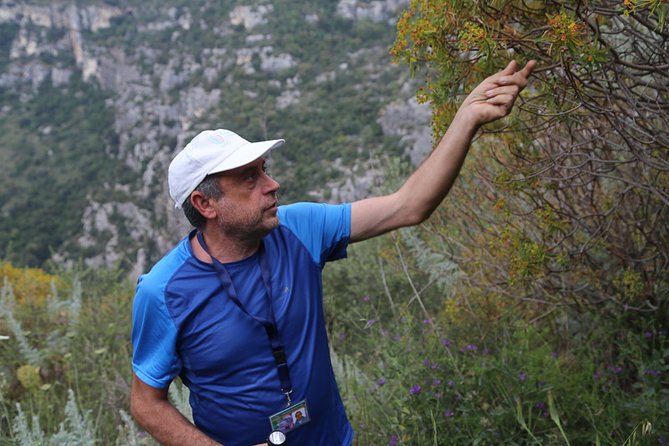
You’ll encounter Iblea endemic flora, plus spontaneous orchids and plants typical of Mediterranean scrub. The guide also covers therapeutic, officinal, phytoalimurgical, and toxic uses for each plant you stop at.
That last part is where this tour earns its keep. I love when a nature walk turns into practical knowledge. You get to understand how people in the region relate to plants, including why some are used and why others are best avoided.
What kind of terrain supports these plant lessons?
The whole reserve sits in an imposing limestone-marl massif in the Miocene area, bounded by the Anapo River and its Calcinara tributary. That specific geology helps explain why the plants you see can be so different from what you might expect elsewhere in Sicily.
So you’re not just walking through “nice greenery.” You’re walking through a system shaped by rock, water, and climate.
Calcinara swim and active karst caves, only if the weather allows
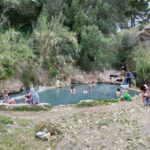
If conditions are right, the tour can include a chance to bathe in the cool waters of Calcinara. You might also visit one of the area’s active karst caves.
You should treat these as bonus options, not guarantees. The experience requires good weather, and if it’s canceled due to poor conditions, you’ll be offered a different date or a full refund.
From a planning angle, this is actually good news. It means the tour is designed with the reserve’s real rhythms in mind. If the water level, access, or safety conditions are off, you still get the core archaeology and nature route.
Walking pace, distance, and who this tour suits best
The walking route has a maximum length of about five kilometers, and the experience runs for roughly three hours.
That typically makes it a strong fit if you want a meaningful outing without committing to an all-day trek. The tour also notes that routes can vary in difficulty and duration, aimed at both families and experienced adventurers, so you’re not stuck in one style of hike.
Still, five kilometers in a rocky reserve is not the same as five kilometers on a flat sidewalk. Wear shoes that grip and expect uneven ground. If you’re bringing kids or someone who tires quickly, aim for good weather and start the day feeling steady.
Price and value, why $85.97 can make sense here
At $85.97 per person for about three hours, this is not a budget “quick stop” tour. But value-wise, it works because you get a lot packed into one guided experience:
- A UNESCO reserve with major archaeology stops
- Dedicated nature stops focused on specific plant species and uses
- A small group size (maximum 12), which keeps it personal
- Included walking structure with up to about 5 kilometers total
The tour also offers group discounts, and you’ll get a mobile ticket. On top of that, trekking poles are available on request, which can make a difference on uneven terrain.
What’s not included: breakfast. So plan to eat before you meet. A light breakfast also helps if the morning turns warm, since your time outside is real hiking time.
Practical tips for your morning at Piazza San Sebastiano
Start time is 9:30 am at Piazza San Sebastiano in Ferla SR. The activity ends back at the meeting point, so you can plan your rest of the day without complicated transfers.
A few things I recommend based on how this kind of reserve walk usually feels:
- Bring water and a simple snack if you know you get hungry, since breakfast is not included
- Wear grippy shoes, because the ground in karst and river-cut areas can be unpredictable
- If you want trekking poles, request them ahead so you show up ready
- If you’re hoping for the swim or cave visit, check the weather before you head out, and keep your expectations flexible
Also remember you’ll be outside for about three hours. Even with only five kilometers of walking, sun and heat can add up in Sicily.
Should you book this Pantalica nature and archaeology hike?
Book it if you want one guided morning that connects big-time archaeology with real nature knowledge, and you like when the guide explains what you’re seeing instead of rushing past it. The combination of the necropolis scale, Byzantine rock churches, and named sites like the Anaktoron makes the route feel purposeful. Add the plant education, and you get more than a sightseeing walk.
Skip or think twice if you know you struggle with uneven outdoor terrain, or if you’re traveling with rigid plans that cannot flex when good weather is required for optional parts like Calcinara swimming and active karst caves.
If you’re deciding between “just ruins” or “just hiking,” this one is built to satisfy both. It’s short enough for a morning slot, but deep enough that it leaves you with a new mental map of Sicily’s past.
FAQ
What is the duration of the Pantalica nature and archaeology tour?
The tour lasts about 3 hours.
Where does the tour start?
It starts at Piazza San Sebastiano, Piazza S. Sebastiano, 96010 Ferla SR, Italy.
What time does the tour begin?
The start time is 9:30 am.
How far do you walk during the tour?
The walking route has a maximum length of 5 kilometers.
Is breakfast included?
No, breakfast is not included.
What is included, and can you get trekking poles?
Trekking poles are included on request.
How big is the group?
The tour has a maximum of 12 travelers.
Is the tour suitable for most people?
The information says most travelers can participate.
Can you swim or visit caves during the tour?
If the weather permits, you can bathe in the cool waters of Calcinara, and the tour may also include visiting an active karst cave.
What is the cancellation policy?
You can cancel for a full refund up to 24 hours in advance. The tour also requires good weather, and if it is canceled due to poor weather you’ll be offered a different date or a full refund.
Are pets or service animals allowed?
Service animals are allowed.
More Historical Tours in Sicily

More Tour Reviews in Sicily
Not for you? Here's more nearby things to do in Sicily we have reviewed





Syracuse & Ortigia Tours, compared.
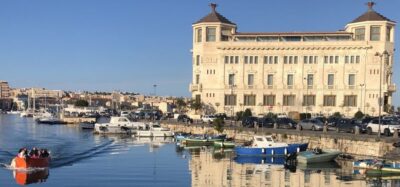 ★ 4.7Syracuse: Boat Trip of Ortigia Island and Sea CavesFrom $23937 reviews
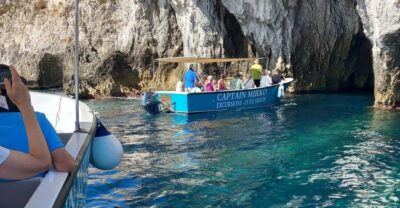 ★ 4.7Syracuse: Boat Tour with Captain Mirko, Snorkeling & CavesFrom $35746 reviews
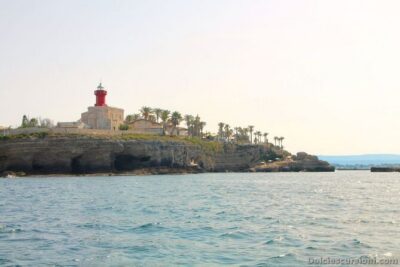 ★ 5.0Tour of the island of Ortigia and exploration of sea caves with baths.From $24668 reviews
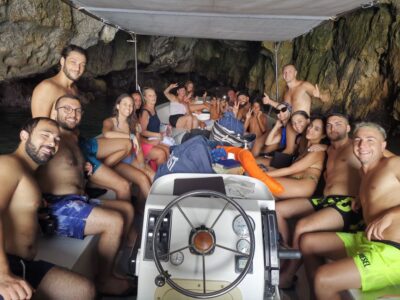 ★ 4.7Siracusa: Ortigia Boat Tour with Marine GrottoFrom $45617 reviews
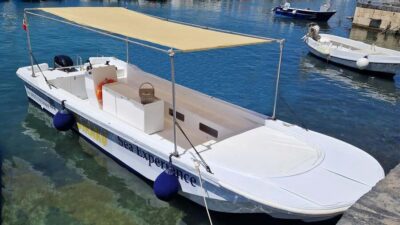 ★ 4.9Siracusa: Ortigia & Sea Caves Speedboat Tour with Swim StopFrom $34499 reviews
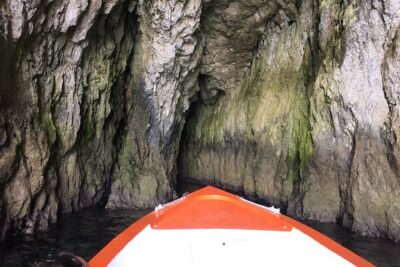 ★ 5.0Boat tour of Ortigia Island and sea cavesFrom $24407 reviews
 ★ 4.6Catania: Syracuse, Ortigia, and Noto Tour with BrunchFrom $112404 reviews
 ★ 4.7Syracuse: Neapolis Archaeological Park Small Group TourFrom $26350 reviews
Browse the lists this tour appears in