
Reviewed · SICILY COOKING & PASTA CLASSES
Cooking class fresh pasta
Fresh pasta becomes real fast here. This Sicilian cooking class turns basic ingredients into a full meal, with a professional chef guiding you in a working pasta lab setting. I love the hands-on method, because you start from dough and learn what makes it work.
What I like just as much is the payoff. You practice three different pasta types and three classic Sicilian flavors, then the chef finishes the cooking so you can actually enjoy the results.
One consideration: this is active, flour-dusted work in a 3-hour window, and the pasta includes egg and durum wheat. If you have food allergies or strict dietary needs, you should ask ahead so you are not guessing.
Key highlights to know before you go
- Two dough styles from scratch: classic egg pasta and durum wheat Sicilian dough
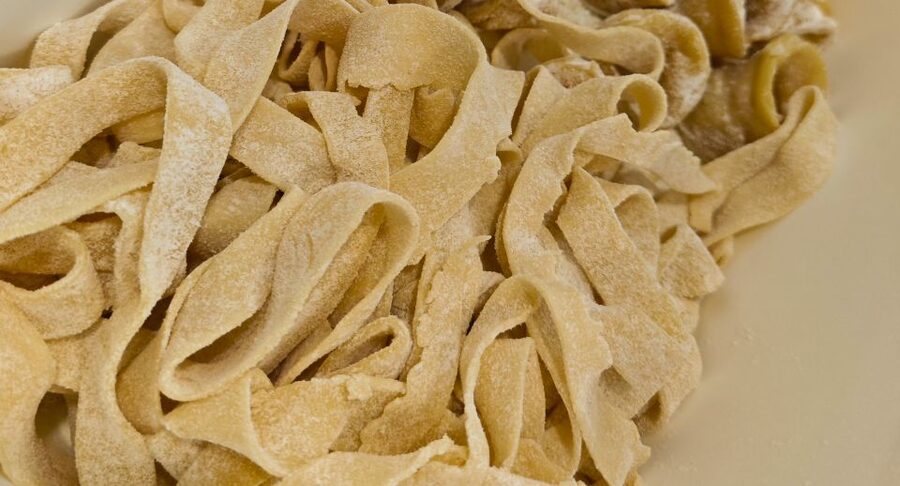
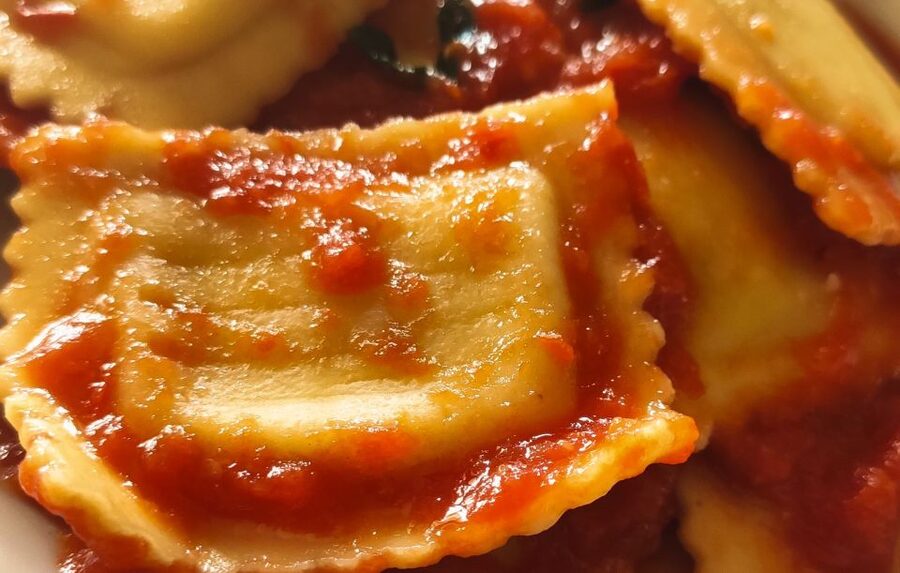
- Three pasta shapes: tagliatelle, stuffed pasta, and maltagliati
- Sicilian sauce lineup: ragù, Norma, and Sicilian pesto
- Hands-on class, chef finish: you make it, then they time the final cook
- Tasting with Sicilian wine: sit down to eat what you made
Entering the fresh pasta rhythm: dough, tools, and Sicilian technique
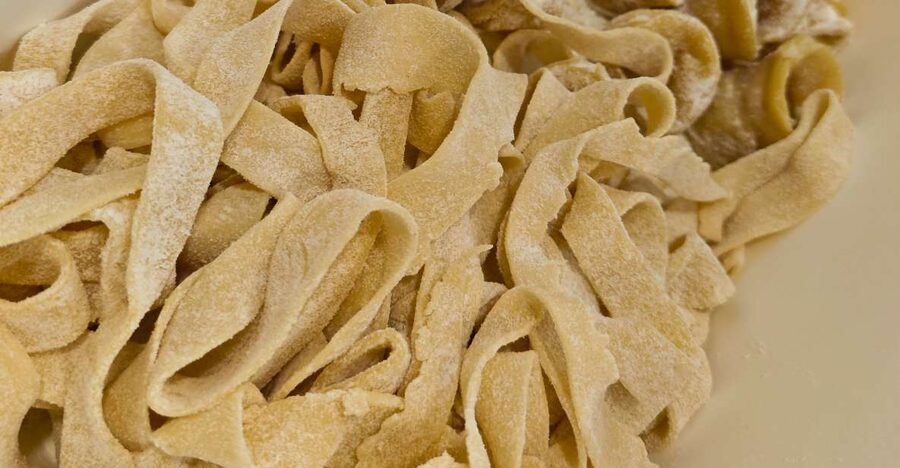
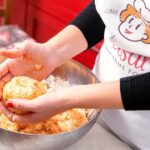
In this class, pasta is not treated like a finished product. You start with raw basics and build dough by feel, learning how it should look and feel before it ever becomes tagliatelle or stuffed pasta. That step matters because good pasta is all about texture, not just ingredients.
You also learn a useful contrast: two dough styles. The lesson covers classic egg pasta dough, and then a typical Sicilian durum wheat dough. Even if you have made pasta at home before, the “why this dough behaves like this” part is what helps you level up.
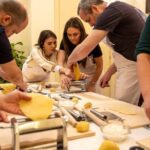
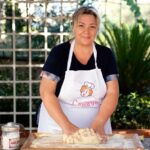
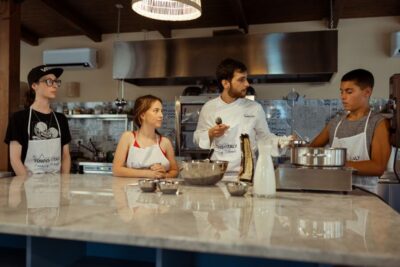
The setting is a professional cooking laboratory, not a casual demo corner. Expect real workspace, proper prep flow, and a guided pace so you are not scrambling to catch up. It is the kind of setup where someone can correct your technique without making you feel rushed.
You can also read our reviews of more cooking classes in Catania
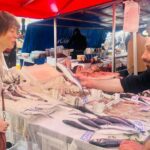
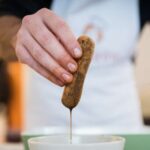
Two doughs, three pasta shapes: tagliatelle, stuffed pasta, maltagliati
The class does not just teach you one shape. You make multiple forms so you understand how pasta thickness, cutting, and shaping change the final bite.
First up is tagliatelle, where the focus is on rolling and cutting for consistent strands. Then you move into stuffed pasta, which typically means mastering a filling technique and learning how to seal properly so it stays intact. One review specifically called out learning the perfect filling for ravioli as part of this stuffed-pasta section, so you can expect that practical “how-to” level.
Finally, there is maltagliati, the intentionally irregular shape. This is a great Sicilian lesson because it teaches you that not every pasta form has to look perfectly uniform to taste great. The sauce pairing idea also clicks here, since ragù and other toppings grab onto nooks and edges.
As you work, the chef also teaches cooking and seasoning methods. That might sound abstract, but it becomes clear when you later taste how the same pasta behaves with different sauces. You are learning to cook with intention, not just following steps.
Building classic Sicilian sauces: ragù, Norma, and pesto
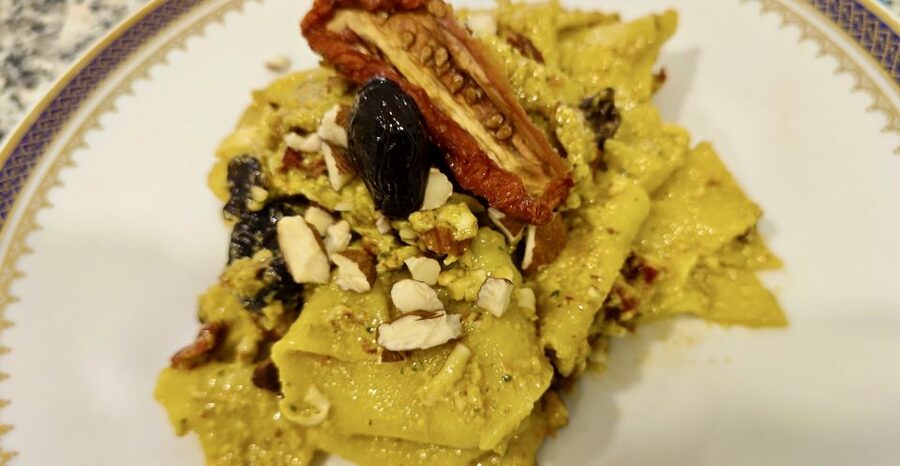
If pasta is the queen, Sicilian sauces are the court. This class puts you on the sauce path too, so you understand how each flavor family works and why it pairs well with its pasta.
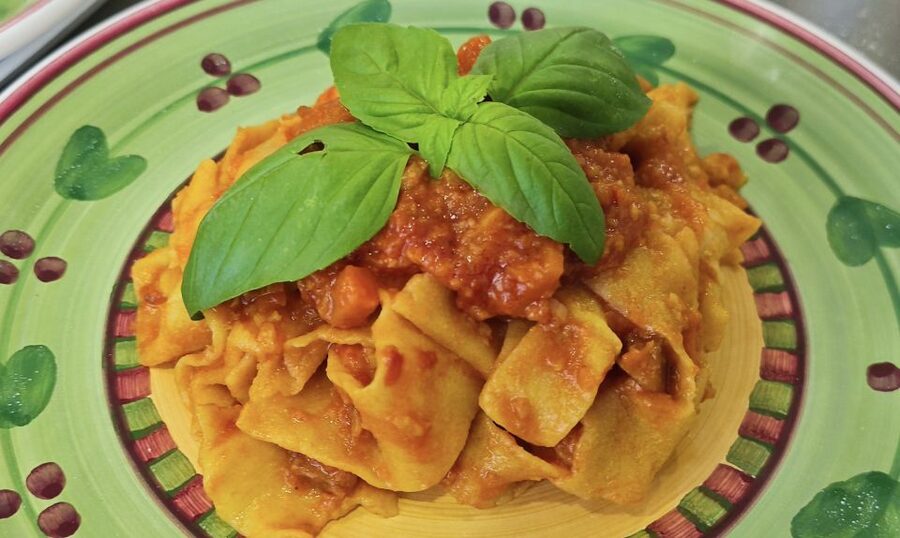
Ragù is one of the central lessons. You learn the beef-based approach, and you also learn how to think about thickness and cling, so the sauce coats rather than slides off. Reviews praise the ragù as a standout, which makes sense since ragù is where technique, timing, and flavor balance show up fast.
Then comes Norma, a signature Sicilian combo often built around eggplant. The class focuses on making this sauce so you can see how its flavors land with pasta. It is a great “regional identity” moment, because Norma feels like Sicily, not generic Italian food.
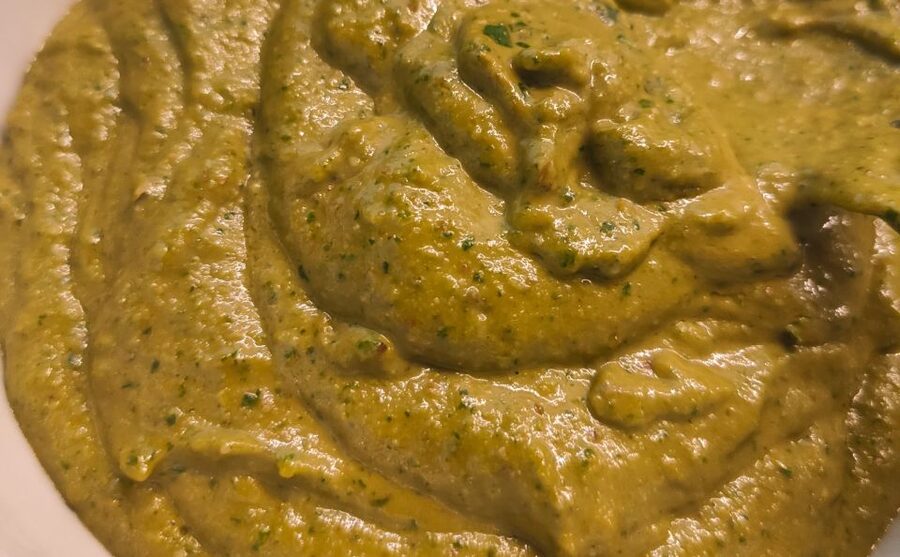
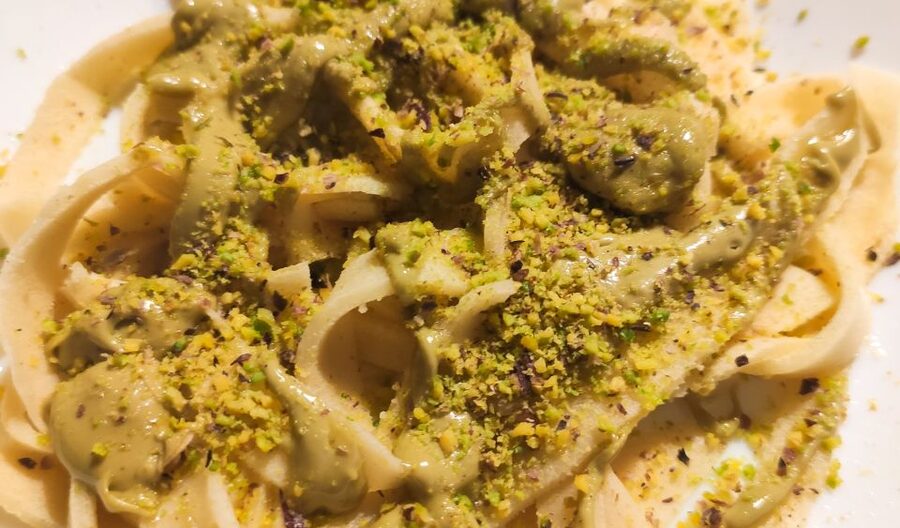
The final sauce is Sicilian pesto, which keeps things firmly regional. Instead of treating pesto as one single flavor, you get the Sicilian version, learning the balance that makes it taste right with fresh pasta. And because you do the pesto after the heavier sauces, your palate gets a smart reset before the tasting.
This is one of the best parts of the lesson for home cooks. You leave understanding the logic behind the sauce, so you can adapt it later when you are working with whatever pasta shape you have on hand.
The chef’s finish and the sit-down tasting
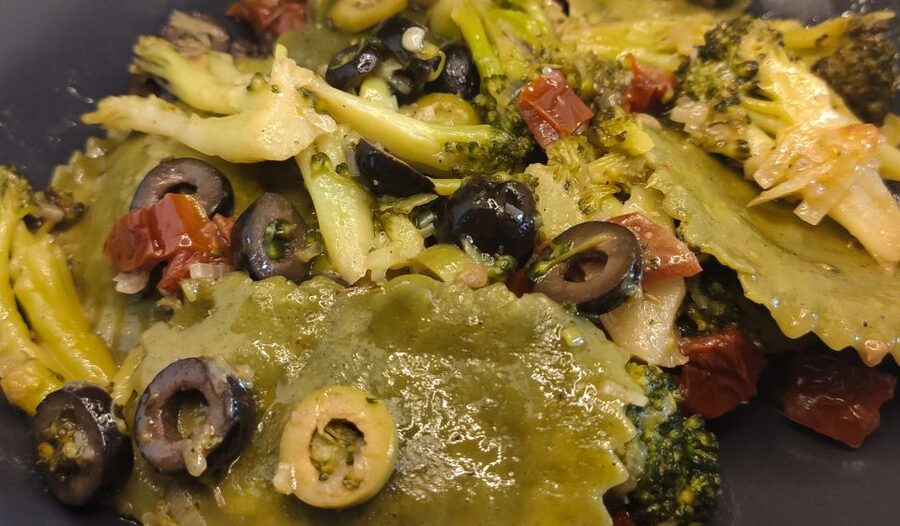
You do the hands-on work, but the class does not dump the full cooking responsibility on you. In the end, the chef completes the cooking so your timing is handled and your pasta does not overcook while everyone is still at the cutting board.
Once the final dishes are ready, you sit at the table for tasting. The experience includes tasting the foods you made, and it is paired with Sicilian wine. This is a practical bonus, because it turns “I learned a recipe” into “I understand how it tastes in context.”
Wine also helps you pick up flavor cues. You might notice how ragù feels heavier, how Norma reads more aromatic and structured, and how pesto feels fresher and brighter against egg pasta or durum wheat. When you can taste the full chain from dough to sauce, your memory sticks.
Some sessions may include sweet extras, and at least one earlier guest mentioned cannoli as part of the meal. Since this is not stated as a guaranteed component, treat it as a possible bonus rather than the main reason to book.
What English-speaking guests should expect from the instruction
The class is taught in English and Italian. That matters more than it sounds, because pasta technique is mostly physical learning. Clear language helps you adjust quickly when the chef says something like make the dough slightly firmer or roll to the right thickness.
You can also count on support while you work. Reviews describe the teaching as patient and helpful, and that fits what you want in a pasta class. Pasta has a few “one small thing changes everything” moments, so having someone guiding your hands is the difference between a fun attempt and a real skill you can repeat later.
If you are traveling solo, this is also a good format. You will still get guided group time, but the class is built around what you personally make, not just watching. For couples or small groups, it feels like a shared project with a shared reward at the table.
More Sicily island tours, Etna days, coastal boat trips, and food experiences to compare
Price and value: what you are really paying for at $112.15
At $112.15 per person for about 3 hours, this price can feel either steep or totally fair, depending on what you expect from the experience.
Here is the value case. You are not only watching. You are making dough and multiple pasta shapes, then working through classic Sicilian sauces like ragù, Norma, and pesto. That is a lot of kitchen time guided by a professional chef in a real cooking lab setting, which is usually what costs the most in culinary classes.
You also get a full tasting meal with Sicilian wine, not just a few bites. And at least one review noted that participants received recipes afterward, which adds long-term value. If you actually use those recipes at home, the cost spreads out over many dinners.
One more detail that can tip value in the best direction: some past guests reported being given a take-home bottle of wine. That is not something you should rely on for planning, but it is a nice sign that hospitality is part of the experience.
If you are comparing options, the smart way to judge this class is by the ratio of hands-on making to the final meal. If you want genuine technique and a real sit-down tasting of what you made, this is exactly the structure you want.
Who this Sicilian pasta class suits best
This class is ideal if you want more than a food tour. If you like cooking and you want a real skill you can repeat, this format is strong because you learn dough behavior, shaping, and sauce logic all in one session.
You will likely enjoy it even if you are not a confident home cook. The lesson is built around a guided process, and you are actively making pasta rather than relying on memory. Reviews also highlight how interactive and hands-on it feels.
It is also a good fit for food lovers who want regional depth. Sicily comes through in the sauce lineup, especially Norma and Sicilian pesto. That makes it more than just learning “Italian pasta,” because it teaches the flavors that define the island.
If you are sensitive to egg, or you need to avoid durum wheat, be proactive. The class structure clearly includes egg pasta dough and durum wheat dough, so you will want to ask before booking.
Quick verdict: should you book this fresh pasta class in Sicily?
Book it if you want a practical, hands-on Sicilian cooking experience with a professional chef, and you care about learning technique you can use at home. The class is built around making three pasta shapes and pairing them with three iconic flavors, then eating what you made with Sicilian wine.
Skip it or ask questions first if you have food restrictions, allergies, or you prefer a lighter, less active activity. Also think about your comfort with working in a kitchen for a full 3 hours.
If your goal is to come away with both a great meal and real pasta skills, this one fits the bill.
FAQ
How long is the cooking class?
The class lasts about 3 hours.
Where does the class take place?
It takes place in Sicily, Italy.
What is the price per person?
The price is $112.15 per person.
What pasta will I make during the lesson?
You will make fresh pasta, including tagliatelle, stuffed pasta, and maltagliati.
Do I learn more than one dough?
Yes. The lesson includes two doughs: classic egg pasta dough and a typical Sicilian durum wheat dough.
What sauces are included in the experience?
The class covers ragù, Norma, and Sicilian pesto.
Is there a tasting at the end?
Yes. The chef finishes the cooking and you sit down to taste what you made, paired with Sicilian wine.
What languages are the instructors?
The instructor teaches in English and Italian.
Is free cancellation available?
Yes. You can cancel up to 24 hours in advance for a full refund.
Is there a reserve now and pay later option?
Yes. The activity offers a reserve now & pay later option, so you can book your spot and pay nothing today.
More Workshops & Classes in Catania

More Cooking Classes in Catania
More Tour Reviews in Catania




Not for you? Here's more nearby things to do in Catania we have reviewed











Sicily Cooking & Pasta Classes, compared.
 ★ 4.9Palermo: Pizza and Gelato Cooking Class with Dinner and WineFrom $71951 reviews
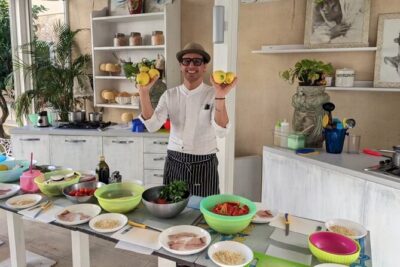 ★ 5.0Seaview Cooking Class & Taormina local flavors with Chef MimmoFrom $157665 reviews
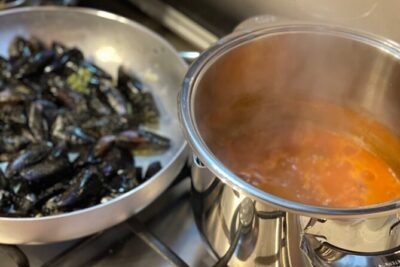 ★ 5.0COOKING CLASS in Taormina at Chef Massimo HOUSE!!From $185543 reviews
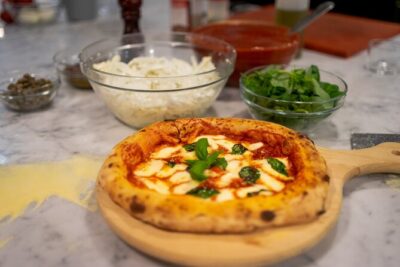 ★ 5.0Palermo’s Delight: Unleash the Secrets of Pizza and Gelato MakingFrom $60497 reviews
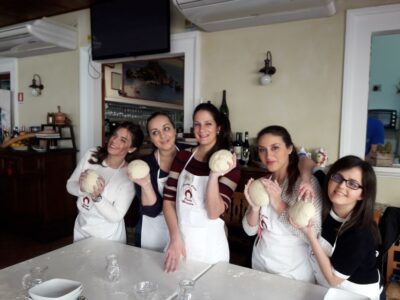 ★ 4.8Taormina: Half-Day Pizza Making ClassFrom $88353 reviews
 ★ 5.0Sicilian Cooking ClassFrom $118289 reviews
 ★ 5.0Pizza Cooking ClassFrom $90225 reviews
 ★ 4.9Taormina: Cannolo Cooking Class with Completion CertificateFrom $77212 reviews
Browse the lists this tour appears in