
Reviewed · CATANIA CITY & FISH MARKET TOURS
Cooking Class Arancini in Catania
Sicily in your hands, not just on a plate. This cooking class turns arancini and almond paste into a hands-on, real-kitchen lesson with a friendly chef. I really like that you are guided step-by-step in a lab setting, and you get to taste what you make at the end. One thing to consider: the included recipe booklet has had mixed quality for at least one participant, and you may want to take notes during the rice part.
You start with the arancino rice, then build fillings (including vegetarian options), and learn how to form and coat the arancini for that classic crunch. The end of the session is not just eat-and-go, it is structured tasting, plus Sicilian-type wine, water, and coffee. If you like food classes that feel practical and social at the same time, this hits the spot.
The possible drawback is small-group friendly but still kitchen-focused. If you expect a super polished, fully documented recipe handout for every step, you might feel a little short, especially for rice quantities, depending on what you receive.
Key points that make this Catania class worth your time
- Professional chef teaching in a real kitchen lab, not a demo show
- Two Sicilian “symbols” to master, arancini plus Sicilian almond paste
- Fillings include vegetarian options, so you can tailor without missing the core skills
- You learn the rice process, stuffing, and crunchy breading, not just assembly
- Finish with tasting and Sicilian-type wine, water, and coffee
- Small group of up to 6, which usually means you get real attention
A real Catania kitchen where arancini and almond paste feel connected
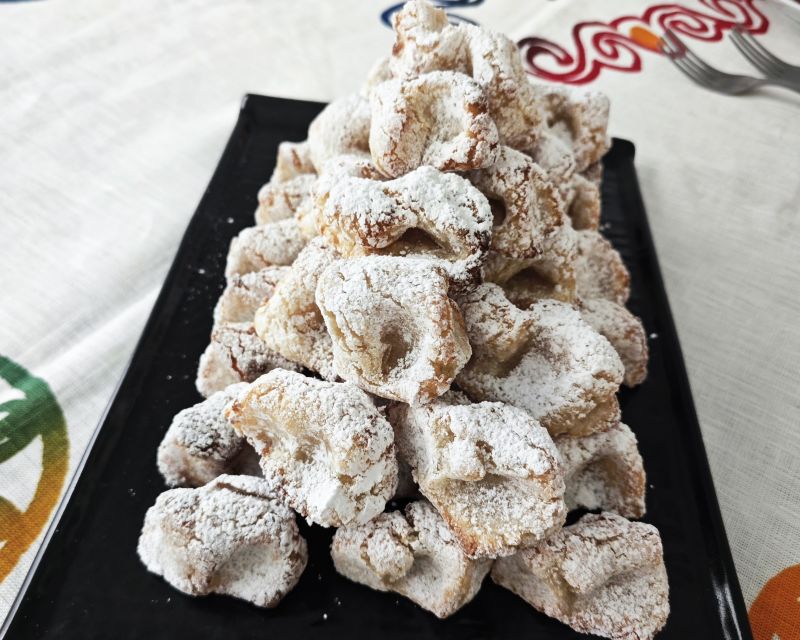
This class is built around two foods that say Sicily loud and clear: arancino and almond paste. The neat trick here is that both are treated as actual craft work. You are not just cutting, you are learning why the rice cooks a certain way, how fillings behave, and how the coating turns crisp instead of soggy.
I like the “symbols” framing because it keeps the session grounded. You spend your time on what matters in the final bites, not on generic history. The lesson also makes practical sense: arancini is the savory centerpiece, while almond paste teaches a totally different technique and flavor profile, with its own tasting moment at the end.
You can also feel the value in the class structure. It is a full three hours, and the workflow stays active: rice preparation, fillings, shaping and breading, then almond paste making. At the end, you get the payoff of tasting different versions, plus wine, water, and coffee.
One more point I appreciate: the class language support is clearly stated as English and Italian. That matters when you are learning technique by listening, not just watching.
You can also read our reviews of more cooking classes in Catania
Meeting at Laboratorio di cucina and getting oriented fast
You meet at Laboratorio di cucina (coordinates: 37.51484298706055, 15.102240562438965). Since this is in a working lab-style kitchen, you will want to show up ready to cook, not just arrive for a photo.
The format matters because it helps the chef control pace and hands-on instruction. With a small group limited to 6 participants, you are more likely to get corrected on the details that make arancini work, like how much filling to use and how you handle the crunchy coating.
Think of this class as “kitchen time first.” You are there for the steps: rice preparation, stuffing, breading, and then almond paste. If you are someone who likes learning through doing, this setup feels efficient. If you prefer a purely observational experience, you might find it more hands-on than you expected.
One practical mindset tip: take notes while the chef explains the rice and shaping steps. A participant reported the rice instruction details and quantities were not clear enough to reproduce without memory. Even if that is not your experience, notes will help you cook it again at home.
Arancino basics: rice, vegetarian fillings, and crunchy breading
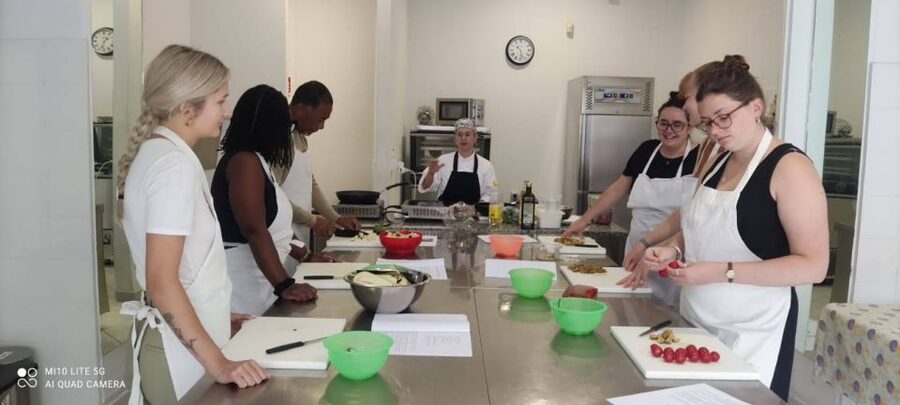
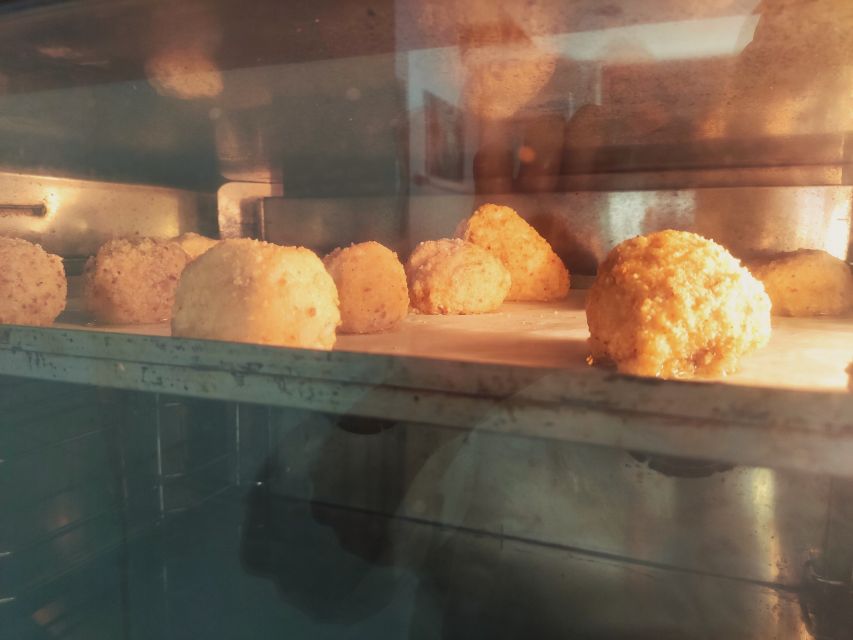
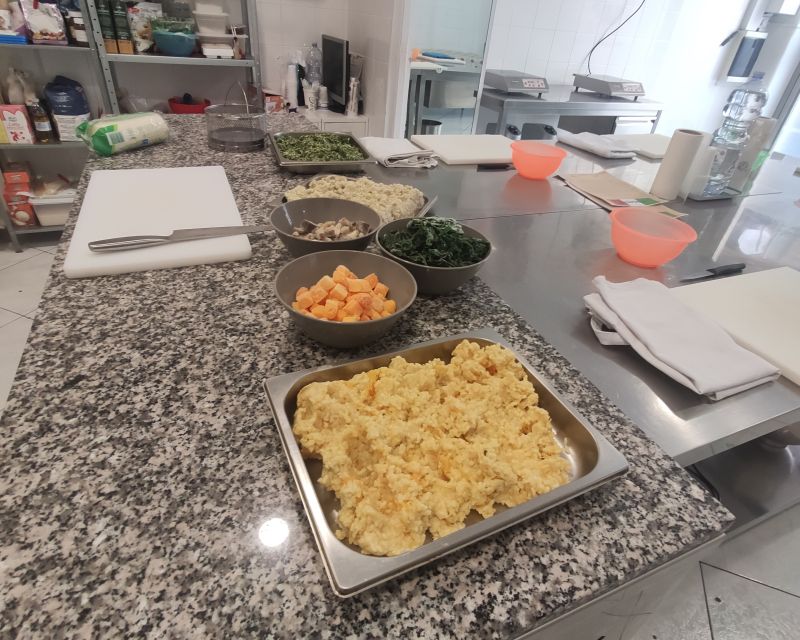
The heart of the class is making typical Sicilian arancino. You start with the rice that will form the balls, and the chef explains how it should be cooked. Different from some cooking classes where you only get the “finished look,” this one focuses on the rice foundation because it controls everything else.
Once the rice is ready, you move into fillings. You learn how to prepare different types of fillings, with the possibility of vegetarian fillings. That is a big deal for planning your own dinner later, because it means the class does not treat vegetarian options as an afterthought. You are learning the same technique pathway, just with different stuffing.
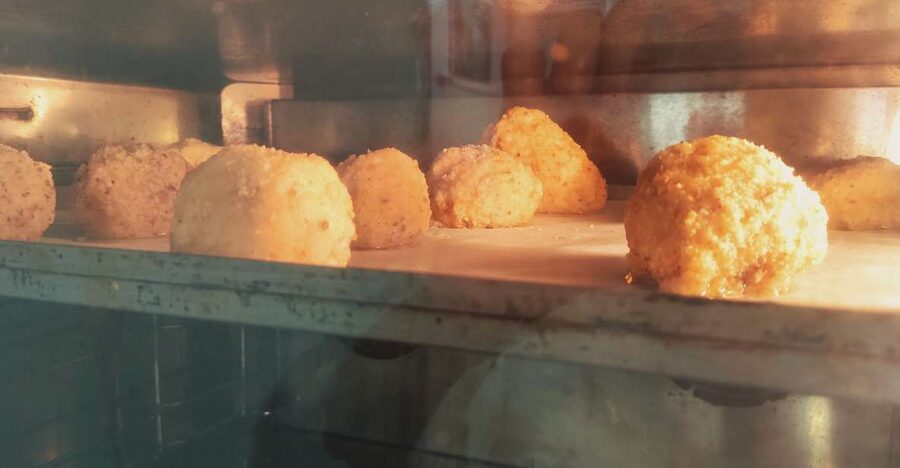
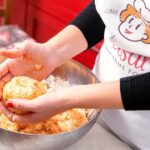
Then comes the part that most people get wrong at home, the coating. You learn how to make the typical crunchy breading, and the class emphasizes correct handling so the outside stays crisp rather than turning into a sad, soft shell. This is the kind of skill you cannot fully learn from a recipe. Seeing it once, then doing it, locks in the texture goal.
From a practical value perspective, this is where you earn the most. Even if your first attempt at home is not perfect, you will now know what to aim for: rice consistency, filling balance, and the crunch factor. That is more useful than simply collecting a printed list of ingredients.
If you are sensitive to heat or have limited kitchen stamina, keep in mind that forming, coating, and staying engaged takes real energy. You will be working with your hands throughout.
Almond paste craft and the finish that actually tastes like Sicily
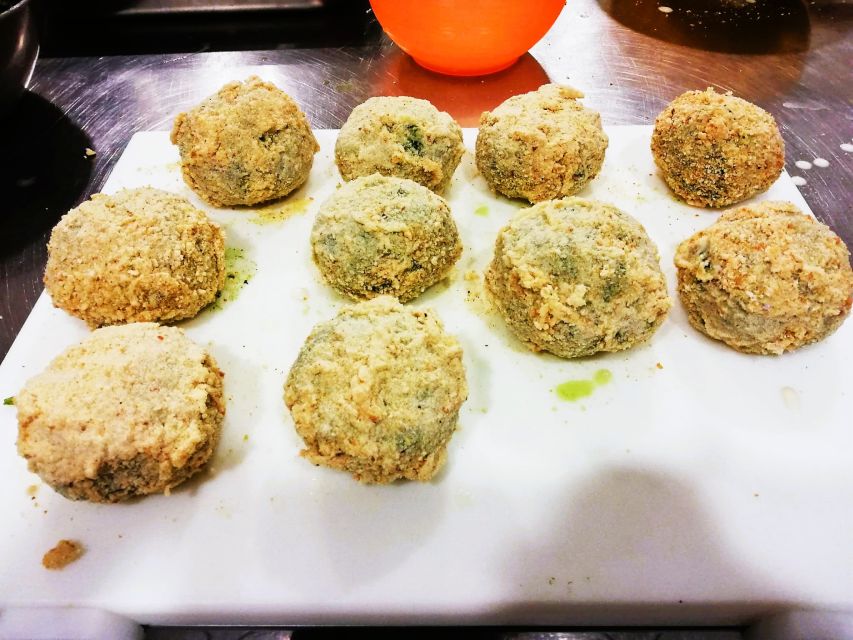
After arancino building, you shift to Sicilian almond paste. This part changes the pace and the technique. Instead of focusing on rice texture and crunchy coating, you move into almond paste preparation, learning how it comes together and what it should taste like.
The best part is what happens at the end: a tasting of the various types of arancini and almond paste. That tasting is not random. It is the chef’s way of showing variety within the same core method, and it lets you compare what you made to what could have been made with different fillings.
You are also offered Sicilian-type wine, plus water and coffee. Even if you do not drink wine, the included coffee and water keep the class from turning into an all-cooking, no-rest situation.
One small but important detail from the experience: some participants noted they could take home leftovers. That is not something you should assume every time, but it does fit the “real cooking lab” feel of producing more than a tiny plated portion. If you love the idea of eating your class dinner again later, this class is set up in a way that can support that.
Small-group attention, take-home recipes, and a heads-up about documentation
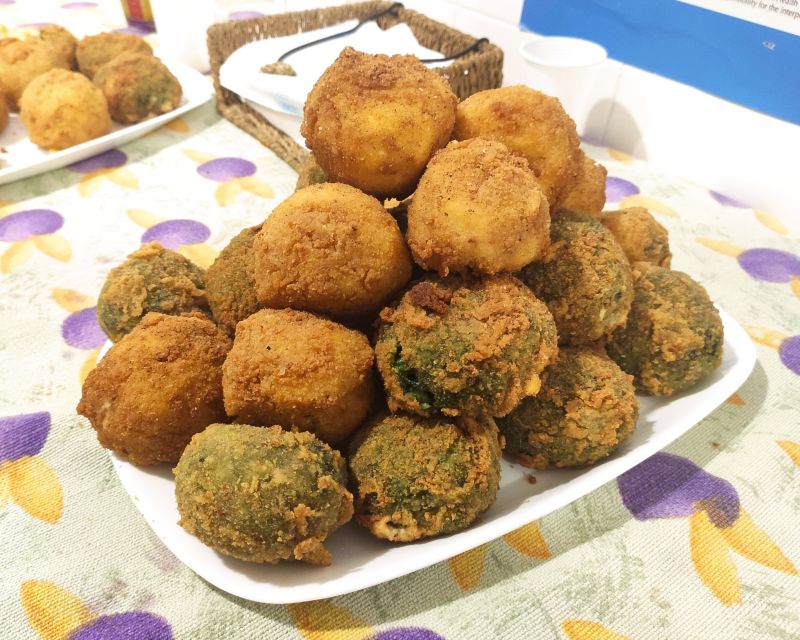
The class is designed for up to 6 participants, so it naturally feels personal. When your chef can see your rice consistency, your stuffing, and your coating technique, you learn faster and with fewer guesswork steps. One participant even described the session as small and personal when it was just two people, which tells me the instructor style adapts well to the group size.
The other part that supports that value is the recipe book. You receive a booklet with all the recipes so you can make them at home. For many people, that is the difference between a fun afternoon and a skill you repeat later.
Now the heads-up. At least one participant reported the booklet was effectively incomplete, with missing instructions for rice and confusing recipe reproduction details, and another said the rice explanation boiled down to cheese, butter, and saffron without quantities. That does not mean you will have the same issue, but it does mean you should treat the lesson as your primary “how-to.”
My practical advice: bring a small notebook and write down the steps and any numbers the chef shares, especially for rice. If you can, take photos of key texture cues too, like how the rice should look and feel while you handle it. Then your at-home cooking will have a solid reference point even if the printed booklet is light.
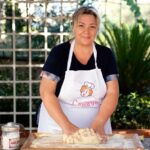
If you want to learn in English, one instructor named Agata was mentioned as an amazing chef and teacher, with strong English skills. So, if language clarity is part of why you want a class like this, you have reason to hope for a smooth experience.
More Sicily island tours, Etna days, coastal boat trips, and food experiences to compare
Should you book this 3-hour arancini and almond paste class?
I would book this class if you want a real, hands-on Sicilian food skill in about three hours, and you like learning through technique. The strongest reasons to choose it are clear: you get a professional chef, you cook both arancini and almond paste, and you finish with a structured tasting that includes wine, water, and coffee. The small group size also makes it more likely you will get helpful corrections as you cook.
I would pause or go in with eyes open if your priority is a perfectly detailed, fully replicable recipe booklet. The documentation quality has been inconsistent for some people, and rice quantity detail may be harder to reconstruct purely from the booklet. If that would stress you out, plan to rely more on what you learn during class and bring notes.
Also consider this fit. If you love Sicilian comfort foods, enjoy crisp fried textures, and want to leave with at least the beginnings of a real menu you can recreate, this is a strong choice. If you are bringing very young kids, it is not listed as suitable for children under 4 and it also excludes babies under 1.
If you are in Catania and want a class that feels both authentic and practical, this one is a good use of time. It is focused, hands-on, and designed to make you leave knowing how to build arancini and almond paste, not just how to admire them.
FAQ
How long is the cooking class?
The class runs for 3 hours.
How many people are in the group?
It is a small group limited to 6 participants.
What languages does the instructor speak?
The instructor provides instruction in English and Italian.
What will I learn to cook?
You will learn how to make typical Sicilian arancino including the rice process, fillings (with the possibility of vegetarian fillings), and the crunchy breading. You will also learn how to make Sicilian almond paste.
Is there tasting during the class?
Yes. At the end you will have a tasting of the different arancini and almond paste you prepared, along with Sicilian-type wine, water, and coffee.
Do I get recipes to take home?
Yes. You receive a booklet with all the recipes to use after the class.
Is it suitable for children?
The activity is not listed as suitable for babies under 1 year, and it also lists children under 2, 3, and 4 years as not suitable.
More Workshops & Classes in Catania

More Cooking Classes in Catania
More Tour Reviews in Catania




Not for you? Here's more nearby things to do in Catania we have reviewed









Catania City & Fish Market Tours, compared.
 ★ 4.8Catania: Mount Etna Morning or Sunset Day Trip with TastingFrom $704,028 reviews
 ★ 4.8Catania: Sunset Jeep Tour of Mount Etna and Lava Flow CavesFrom $712,113 reviews
 ★ 4.9Catania: Mount Etna Trekking Trip off the Tourist PathFrom $781,351 reviews
 ★ 4.8Catania: Etna Sunset Tour with Pickup and Drop-offFrom $711,348 reviews
 ★ 5.0Mt. Etna and Taormina village full day tour from CataniaFrom $1181,155 reviews
 ★ 4.7From Catania: Mount Etna Sunset Tour with Tasting and CaveFrom $451,119 reviews
 ★ 4.8Catania: Etna Morning Excursion with Tasting and PickupFrom $67820 reviews
 ★ 4.9Catania: Amazing Etna Morning Tour with Pickup and Drop-OffFrom $81799 reviews
Browse the lists this tour appears in