
Reviewed · MOUNT ETNA VOLCANO TOURS
Mount Etna: Summit Tour by Jeep and Cable Car
Etna is not a normal hike. This tour layers cable car comfort with a volcanologist-guided summit trek, so you reach serious altitude without spending the whole day just getting there. One catch, the gondola can feel tight, and the Central Crater route can be closed on some days, so keep expectations flexible.
I like the small-group format, capped at 10 people, because the guide can actually manage the pace when winds or altitude get tricky. I also like that the company issues trekking gear like helmets and wind jackets, which saves you from hunting down mountain supplies in Sicily.
The main consideration is fitness. You’re walking on uneven volcanic ground, at altitude, and the tour is not suitable for people with low fitness or certain health issues.
Key things I’d pay attention to
- Small group of 10 means better managing, less crowding, and easier movement during stops
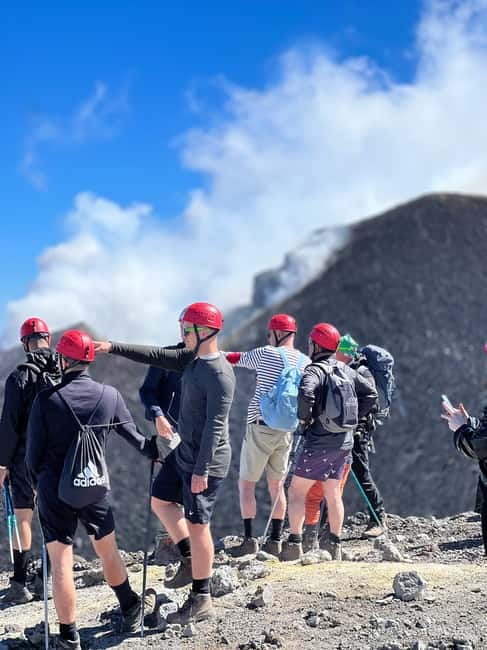
- Equipment included (helmets, trekking shoes, poles, wind jackets) cuts your pre-trip packing
- Cable car then 4×4 jeep to about 2850 m saves most of the rough uphill grind
- Guided to Central Crater at 3300 m with a volcanologist for real context
- Volcanic features up close including lava flows, bombs, fumaroles, and gas emissions
- Bring sun protection based on real on-mountain advice from the guide team
A volcano day that starts at La Baita 3L Ski-Lab
Your Etna day begins at La Baita 3L Ski-Lab, the base where you meet your group and get ready for the climb. After you check in, you’re fitted with trekking gear and given what you need for the walk. This first step matters because Etna weather changes fast. Even if the day starts mild, you can get wind and cold once you’re higher up.
The tour is designed to move efficiently, not slowly admire each rock from the parking lot. That means you’ll spend most of the half day in motion, with real guided stops rather than long waits. If you like your travel days active but structured, this format is a good fit.
Also, the tour uses a separate entrance to help you skip the line for the cable car. That sounds minor, but when you’re on a schedule with limited summit time, it reduces stress.
You can also read our reviews of more tours and experiences in Nicolosi.
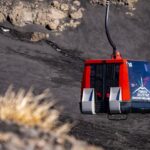
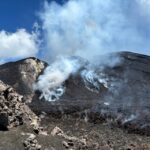
Cable car and 4×4 jeep: how they save your legs
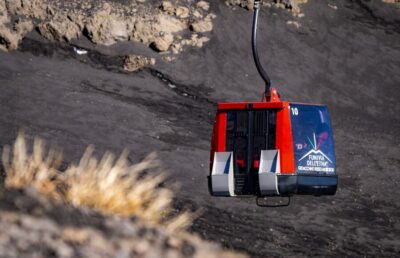
Instead of hiking from the base, you get a two-stage ascent that feels like a controlled warm-up. First is the cable car, about 20 minutes, to reach higher terrain. Then there’s another short ride, roughly 20 minutes, in a 4×4 jeep or SUV to go up to about 2850 m.
For many visitors, this is the smartest part of the day. The jeep and cable car help you conserve energy for the main trekking segment, which is where the altitude really matters. You also avoid some of the worst footing and dust on the road approach.
One practical note: the gondola can be crowded. That came up in feedback, so go in expecting a snug ride. Bring calm patience. It’s quick, and you’re moving toward the good part.
From 2850 m to the summit craters: what the trekking really feels like
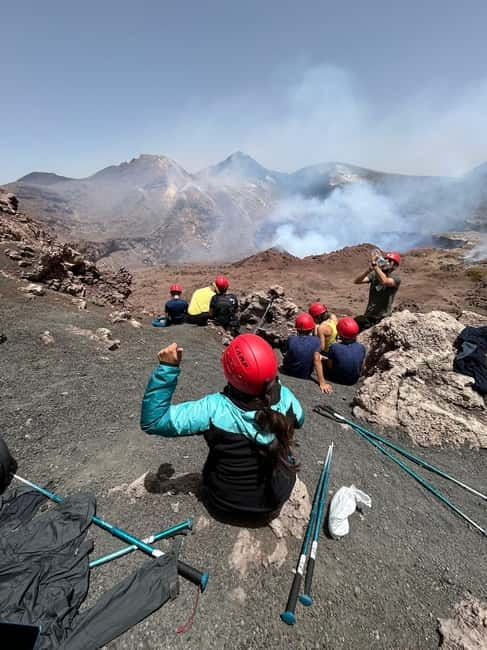
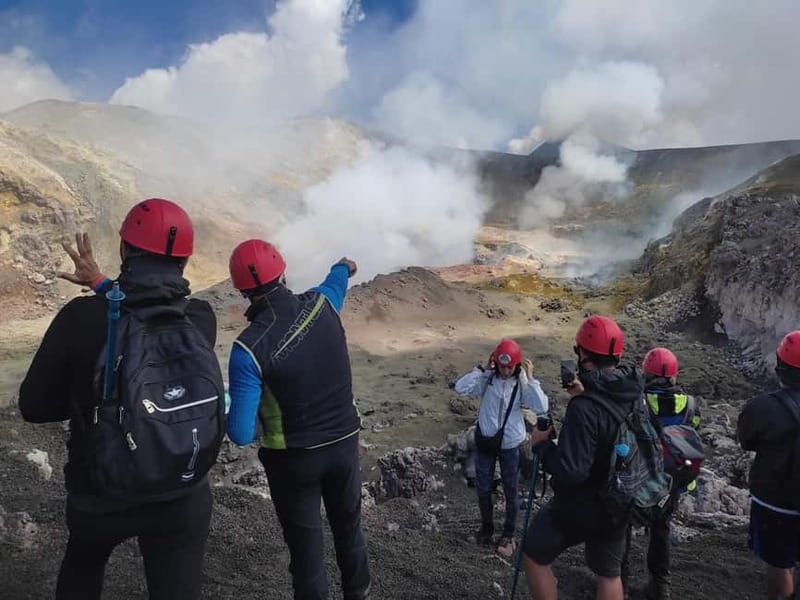
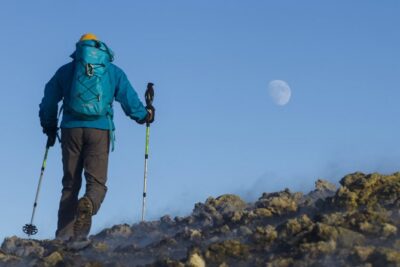
Once you reach around 2850 m, the trekking begins. This is where the tour shifts from transport to altitude effort. The route leads you on foot toward the Central Crater area at roughly 3300 m, with a volcanological guide who explains what you’re seeing as you go.
The walking time is about 100 minutes in the first on-foot stretch, then you do another about 100 minutes after your crater stop and break. That second walk is often where people notice their breathing more. You’re not doing a marathon, but you are working at real elevation on volcanic ground.
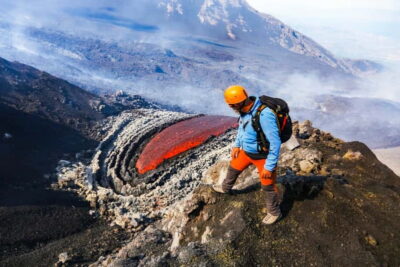
You’ll be stepping over and across lava flows from past eruptions. Expect uneven surfaces, loose volcanic fragments, and sections that feel steeper than they look. This is not the kind of hike where you can drift into a casual stroll. Poles help a lot here, and the guides provide trekking poles as part of the equipment set.
On the upside, the guide’s role is more than entertainment. A volcanologist can point out clues that you would miss alone, like the age of certain lava textures or the signs around vents. That turns the walk into something you understand, not just something you endure.
Central Crater at 3300 m: guided science and photo stops
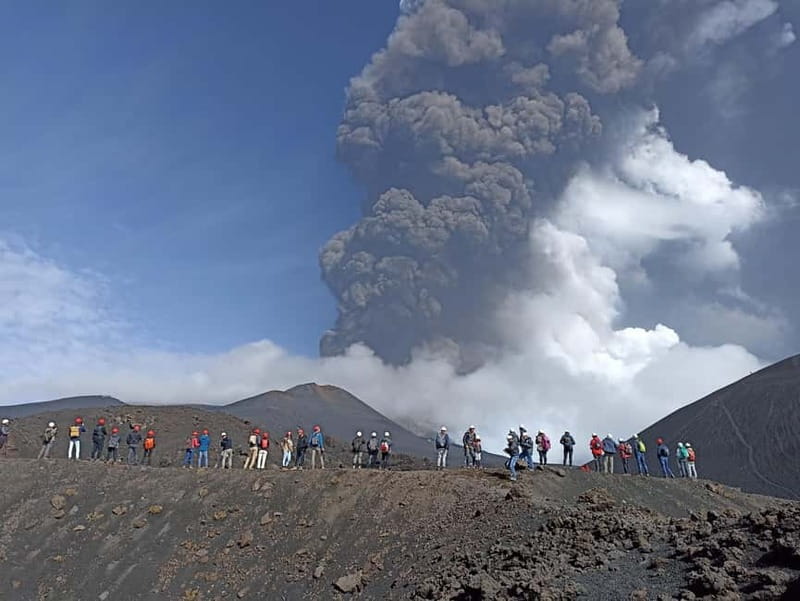
At the Central Crater segment, you’ll have a break, photo stops, and a guided visit. This part is built around stopping long enough to look closely and listen, not just pass through. You’ll also get time to take in the views while the guide explains what the volcano is doing right now.
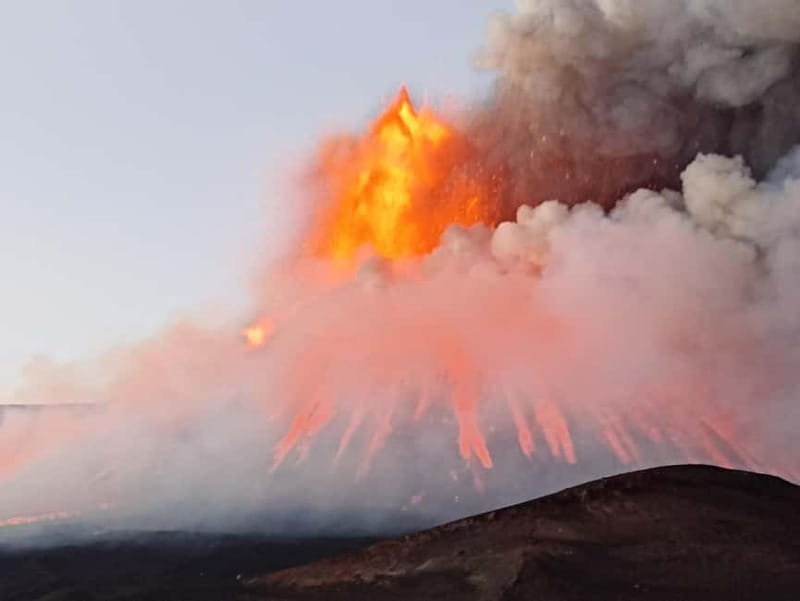
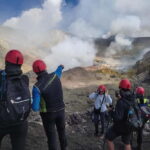
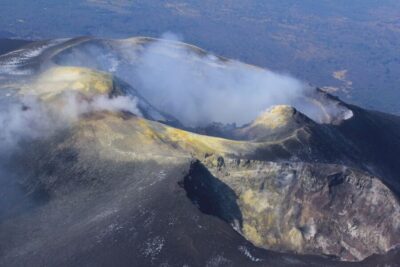
What you’re trying to see here is the active side of Etna. The tour includes chances to observe gas emissions and fumaroles at the top. Those features are the reason you’re going up in the first place. They make Etna feel alive in a way that photos alone cannot.
Be aware that the exact crater access can change. There’s a real possibility the Central Crater might be closed on some days. That’s not something you can control. Your best move is to show up ready for the guide to adjust the route while still delivering the volcanology-focused experience.
This is also where you learn how much planning goes into keeping groups safe. One guide team member, Giuseppe, Mario, and Itala, was specifically praised for handling a situation quickly when someone felt mountain sick. The response was fast, and the team kept the rest of the group together. That matters to you because it reduces the chance of chaos when altitude hits.
Lava flows, bombs, and volcanic waste: the visuals you can actually name
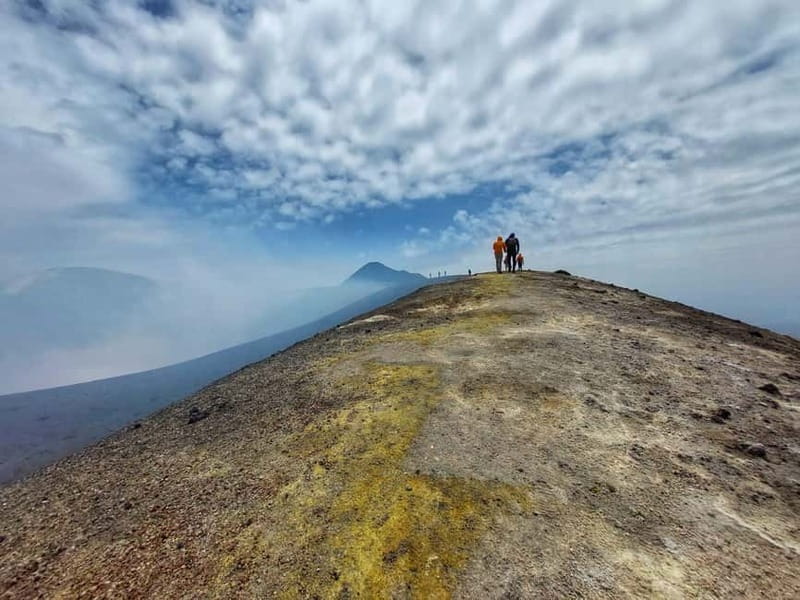
Walking on Etna means the terrain looks dramatic, but it also tells a story. You’ll pass along lava flows from past eruptions, and you’ll get pointed out volcanic bombs and volcanic waste along the route.
Those details are more than sightseeing facts. They help you understand why Etna looks the way it does today. Lava flows show you the paths the volcano took. Bombs and waste show you the explosive side of eruptions, the fragments ejected into the air and carried back down as hardened rock.
If you like travel that adds meaning, this is where the guide earns their fee. A volcanologist does not just show you a viewpoint. They teach you to interpret the ground as an archive of eruptive behavior.
And yes, you can still enjoy it as a view day. Sicily from high up is impressive, and you get time for photos without feeling like you’re racing the clock the whole time.
Views over Sicily and possible looks to the Aeolian Islands
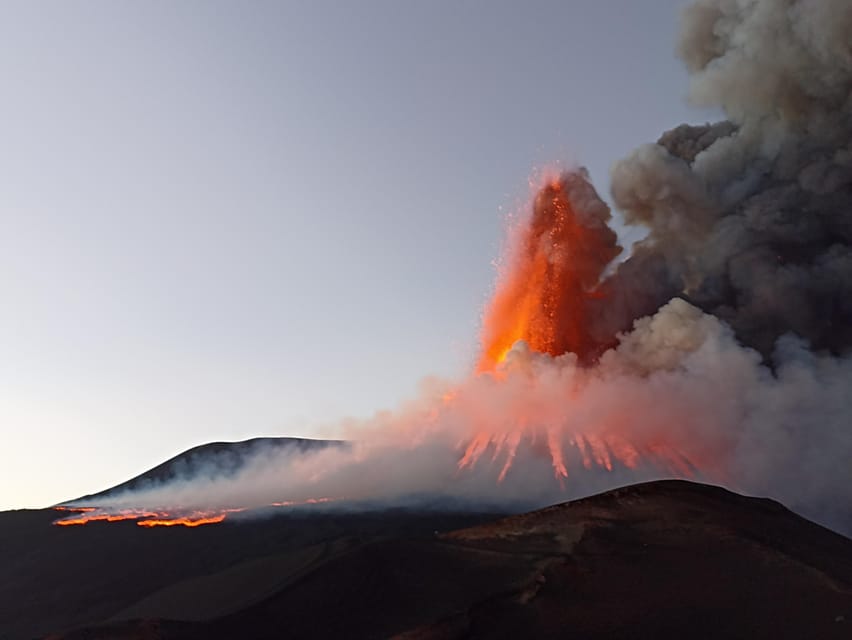
Once you’re up near the summit area, you’re in the atmosphere of wide-open sky and distant coastline. The tour is set up so you can enjoy panoramic views over Sicily and, if the weather allows, views up to the Aeolian Islands.
Weather is the boss on Etna. Clouds, wind, and visibility can all limit what you see. Still, the route is structured so you get chances to look when conditions are at their best. The guide also knows when to pause for photos and when to keep moving.
This is another reason the small-group size helps. You can actually gather and spread out safely without turning the crater area into a bottleneck.
Lunch timing and the rhythm of a 5.5 hour summit schedule
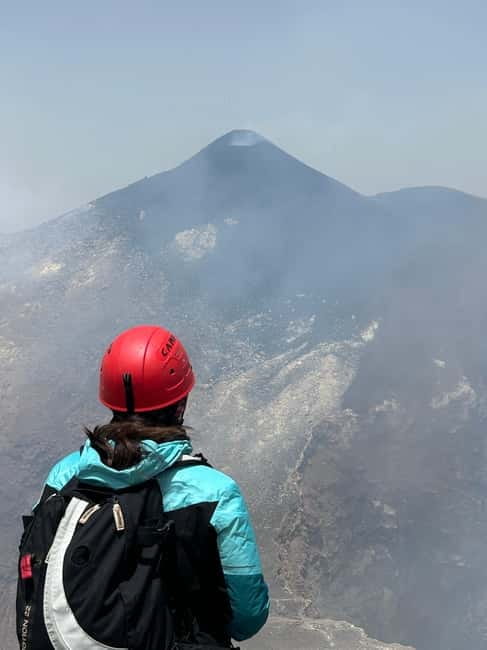
The total time on the ground is around 5 to 6 hours, with cable car segments of about 20 minutes each. The day is timed so you’re not stuck waiting for transportation while the summit moment passes.
You’ll have a lunch break during the crater stop. The tour does not include packed lunch, so you need to bring your own food and drinks. That’s important. If you show up hungry, you’ll feel it on the second walking section.
For pacing, think of it as a climb, a guided crater segment, then another trek while you’re still at altitude. The guides also manage the group dynamic, which helps when people move at different speeds due to breathing and footing.
If you want a smoother experience, treat the first on-foot stretch as warm-up, not as a sprint. Save your energy for the second walk. That’s usually when people start slowing down and when wind can feel sharper.
Gear, comfort, and what to pack for Etna’s wind and sun
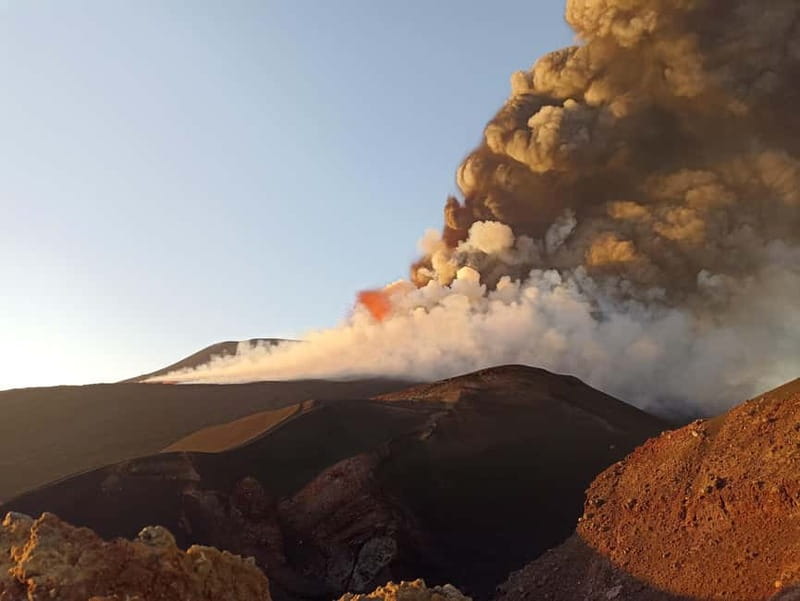
Good gear can make the difference between a memorable summit and a miserable slog. The tour includes trekking shoes, trekking poles, helmets, and wind jackets. That’s a big deal for value because footwear and weather layers can be expensive if you don’t already have them.
Some added comfort came up in feedback, like warm long socks being provided, which you’ll appreciate once you’re higher up. The company is geared toward keeping you comfortable enough to focus on the geology.
Still, you’re not fully hands-off. Bring your own essentials:
- Sunglasses
- Food
- Drinks
- Comfortable clothes
- Long pants
This tour is high altitude and likely exposed to sun even when it feels cool. SPF came up as a specific recommendation from the guide team, so bring sunscreen and use it. Wind can make you forget to reapply until you’re already noticing a burn.
Also bring a mindset for layers. A wind jacket helps, but you might still want a warm top under it. Your goal is to stay comfortable when you stop for explanations and when you start moving again.
Languages, group size, and why it matters at altitude
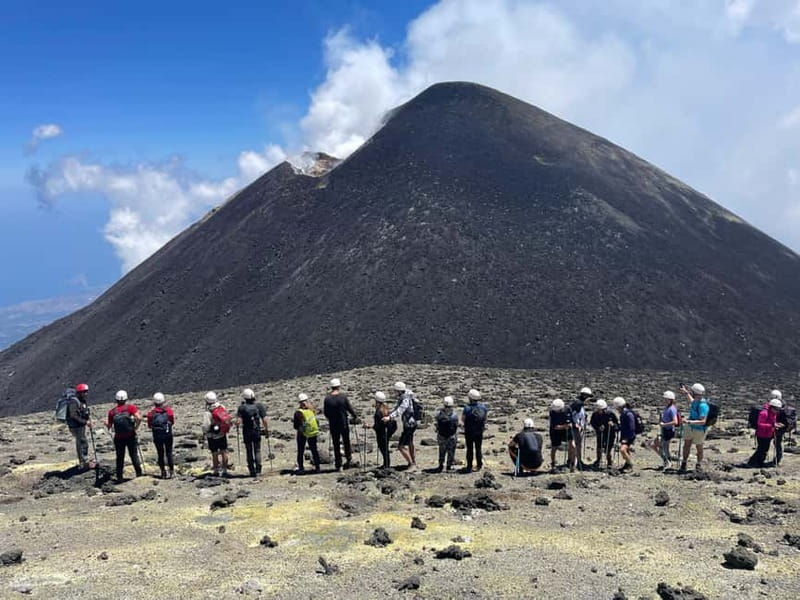
Your live guide can be French, English, or Italian. That matters because the volcanology portion is where you get real meaning, not just visuals. When the guide can explain what’s happening with the gas emissions, fumaroles, and the volcanic materials under your feet, the day becomes more than a climb.
Group size is limited to 10 participants. That keeps the walk manageable and helps the guides look after individuals. It also reduces the awkwardness of being stuck behind someone who moves much slower, especially on uneven volcanic terrain.
If you’re traveling solo or with friends, this small-group structure is one of the main ways the tour stays personal.
Price and value: what you pay, and what you’ll pay on site
The price listed is $56.94 per person, and it includes the trekking portion support plus equipment. You get helmets, trekking shoes, trekking poles, wind jackets, and trekking with an alpine and volcanological guide.
But the price does not include the round-trip cable car and jeep tickets. Those need to be paid on site. So your true total cost depends on those additional tickets.
Here’s how I’d think about value. You’re paying for three things:
1) Guide expertise for the crater walk and volcanic interpretation
2) Safety and comfort gear that prevents you from arriving underprepared
3) Transport time savings via cable car and 4×4 jeep, even though you still pay separately for the tickets
If you already own proper hiking footwear and wind layers, you may feel the gear value is less dramatic. If you don’t, the included equipment quickly justifies the price.
Also consider that you’re paying for an experience with active-volcano elements. You’re not just visiting a viewpoint. You’re walking to the Central Crater area and being taught what the volcano is doing.
Who should book this Etna summit trek, and who should skip it
This tour is best for people who want a guided summit experience without doing the full climb on foot from the very bottom. You’ll still earn your altitude views. You also need to be comfortable walking roughly 100 minutes twice on volcanic terrain.
It’s not suitable for:
- Children under 8 years
- People with mobility impairments
- Wheelchair users
- People with heart problems
- People with respiratory issues
- People over 75 years
- People with low level of fitness
So if you’re generally healthy and enjoy hikes, you’ll likely do well. If you’re unsure about altitude tolerance, this is the time to be cautious. The guide team does respond quickly if someone feels unwell, as shown by the handling of mountain sickness. Still, it’s smarter to avoid pushing your limits.
If you have asthma or breathing conditions, don’t assume Etna will be fine. The tour itself lists respiratory issues as a no-go.
Should you book the Mount Etna Summit Tour by Jeep and Cable Car?
Book it if you want an Etna summit day with real guidance, not just transportation to a viewpoint. The strongest reason to say yes is the combination of volcanological guide-led trekking and included equipment that helps you focus on the experience.
Don’t book it if you hate uneven ground, if altitude can stress you, or if any of the listed health or fitness limits apply. This is an active hike up to around 3300 m, with real exposure to wind and sun.
If you’re on the fence, make your decision around these practical questions:
- Do you already have good hiking shoes and wind-ready layers, or will the included gear help?
- Can you comfortably walk for about 100 minutes at altitude, twice?
- Are you okay with the possibility that Central Crater access can be limited depending on conditions?
For the right traveler, this is one of the more efficient ways to experience Etna’s higher reaches, with enough time at the summit to understand what you’re seeing.
FAQ
How long is the Mount Etna summit tour?
The total duration is about 5.5 hours, with exclusion time listed as 5 to 6 hours.
Where does the tour start?
The meeting point is La Baita 3L Ski-Lab.
What is included in the tour price?
The tour includes trekking with an alpine and volcanological guide, plus equipment such as helmets, trekking shoes, trekking poles, and wind jackets.
Do I need to buy cable car and jeep tickets separately?
Yes. The cable car and jeep round-trip tickets are not included and must be paid on site.
What languages are available for the live guide?
The guide offers French, English, and Italian.
What should I bring with me?
Bring sunglasses, food, drinks, comfortable clothes, and long pants.
Is this tour suitable for everyone?
It is not suitable for children under 8, wheelchair users, people with mobility impairments, people with heart problems, people with respiratory issues, people over 75, and people with low fitness.
More Tours in Nicolosi
More Tour Reviews in Nicolosi
Not for you? Here's more nearby things to do in Nicolosi we have reviewed
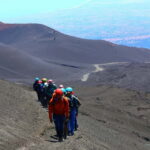
Mount Etna Volcano Tours, compared.
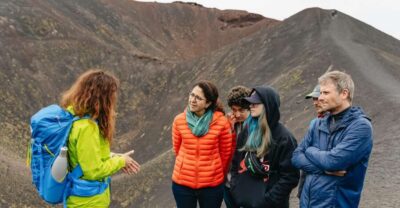 ★ 4.8Catania: Mount Etna Morning or Sunset Day Trip with TastingFrom $704,028 reviews
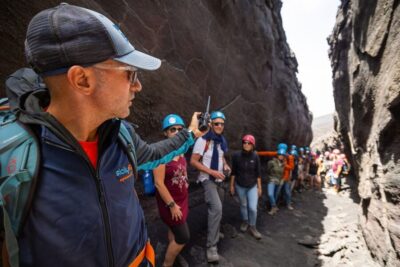 ★ 4.7Mount Etna: Guided Volcano Summit Hiking Tour with Cable CarFrom $1243,784 reviews
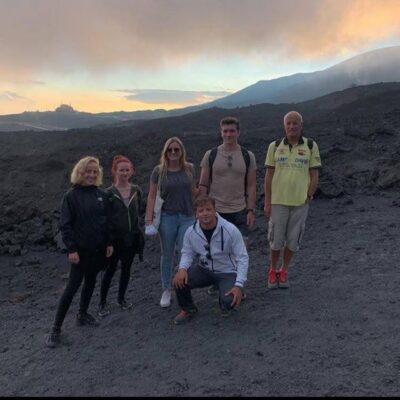 ★ 4.8Catania: Sunset Jeep Tour of Mount Etna and Lava Flow CavesFrom $712,113 reviews
 ★ 4.7Mount Etna: Trek to 3000m with cable car and jeepFrom $621,978 reviews
 ★ 4.8Mount Etna: Summit Crater Trek with Cable CarFrom $771,875 reviews
 ★ 4.8Etna and Alcantara Gorges Full-Day Tour with LunchFrom $1051,766 reviews
 ★ 4.3Mount Etna: Roundtrip Cable Car and 4×4 Bus TicketFrom $971,602 reviews
 ★ 4.7Etna Volcano: South Side Guided Summit HikeFrom $671,545 reviews
Browse the lists this tour appears in