
Reviewed · MOUNT ETNA VOLCANO TOURS
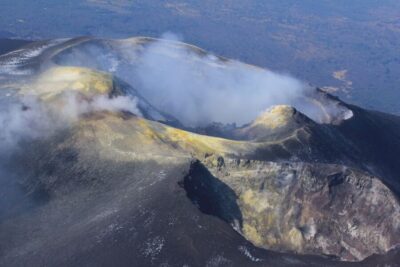
Etna Summit Craters
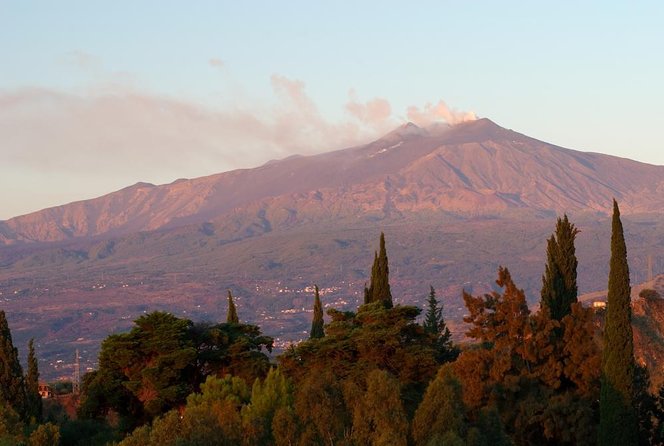
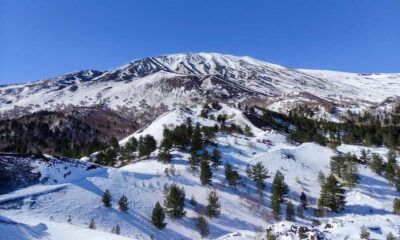
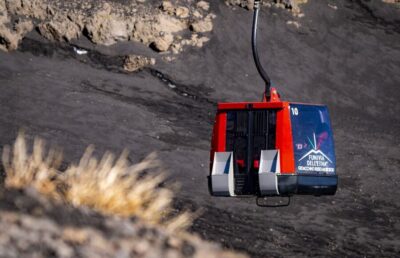
Etna has a way of making you look up, not down, and the summit craters hike turns that into a full half-day plan. You start at Rifugio Sapienza (about 1900 m), ride up by Etna cable car to the trekking zone near 2500 m, then walk through real volcanic ground with a guide who explains what you are seeing.
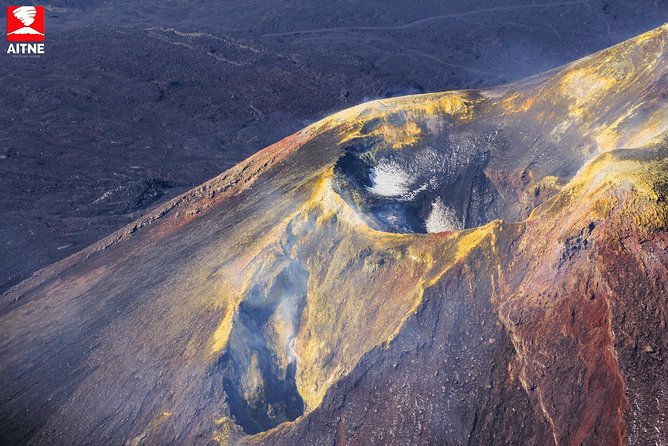
I love two things right away. First, you get a true volcanological guide experience, with practical talk that makes lava forms and geothermal signs easier to understand as you walk. Second, the route is built around visible features, including lava flows, a lava flow cave linked to the 2003 eruption, and actual hot points.
One drawback to plan for: the tour price does not include the cable car ticket. Adults pay extra (listed as 50 euros), kids up to 10 pay less (listed as 30 euros), and you also need to bring your own food, water, and trekking gear.
Key highlights at a glance
- Summit craters with a volcanological guide who keeps the focus on what you are standing on
- Hot points on Etna where heat is visible, with explanation as you move through the terrain
- Lava flow cave from the 2003 eruption as part of the hike experience
- Panorama of Valle del Bove from the summit zone, built into the route
- Helmet included, helpful for the rugged, rocky walking conditions
Etna Summit Craters: why this hike feels different
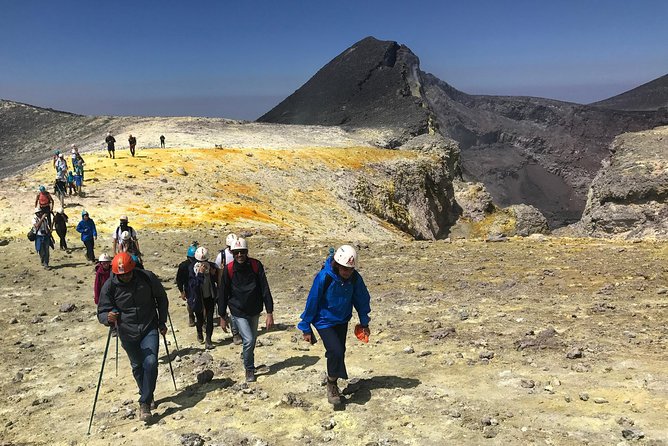
This is not a casual viewpoint walk. The Etna summit craters hike is a guided route across volcanic terrain where you can actually connect the forms you see, like lava flows and older eruptive centers, to ongoing volcanic behavior.
You also get a smart structure. The cable car lifts you to the trekking altitude, so your hike starts in the action zone rather than turning into a long, slow climb just to reach the interesting parts. For most people, that means more time walking on volcanic ground, and more time looking at Valle del Bove without burning out early.
Finally, the guide element matters. A volcanologist can point out patterns you would otherwise miss. The experience becomes more than photos, because you learn what your eyes are telling you as you go.
You can also read our reviews of more tours and experiences in Nicolosi.
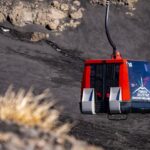
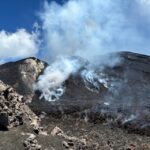
Meeting at Rifugio Sapienza, then riding the cable car to 2500 m
Your day begins at the square of Rifugio Sapienza, in front of the entrance of the refuge. The tour starts at 9:00 am, and the guide’s contact is sent to you on WhatsApp with the exact meeting place.
From there, you begin at roughly 1900 m. You then access the Etna Cable Car, which takes you up to about 2500 m where the trek starts. That single move changes everything: instead of spending the whole morning climbing, you spend it observing and walking through the summit area.
You end up back at the same starting point area. After the hike, you take the cable car again to return to the 1900 m altitude, so you are not stuck coordinating multiple transport pieces on your own.
Walking lava flows, seeing a 2003 eruption cave up close
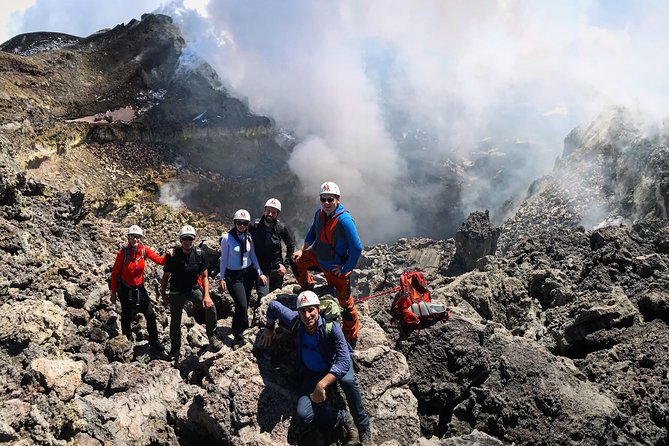
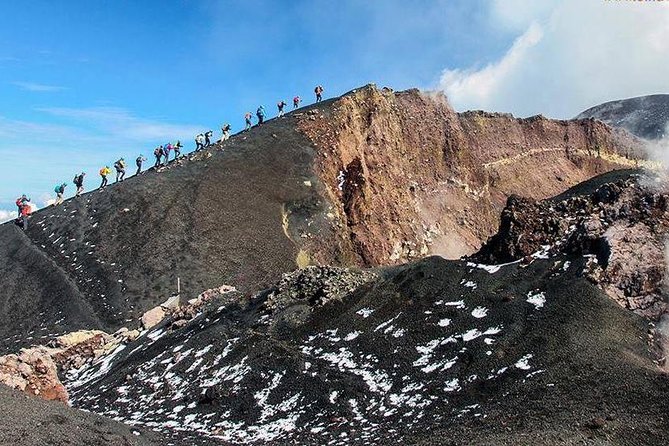
Once the trek begins, the route is about direct contact with Etna’s geology. You cross lava flows, which means the ground can be uneven, gritty, and change underfoot as you move between surfaces.
One standout stop is a lava flow cave dating back to the 2003 eruption. The tour includes it as a feature you can experience as part of the hike, not just a distant thing you see from above. Even if you are not a geology person, a cave changes how you understand the volcano. You can feel that you are dealing with something that moved, cooled, and reshaped the landscape.
Along the way, you also pass old eruptive centers that are now extinguished. This is a useful contrast to the active parts you visit later. Standing near cooled centers while hearing what is different about still-active zones helps you mentally sort what you are seeing, instead of treating every rock mound as the same.
Practical note: this is exposed terrain. The tour is best for people who can walk on rocky or sandy surfaces without needing frequent handholding. Your comfort with uneven footing matters as much as your fitness level.
Hot points: the sights you will remember after the hike
A major reason this route has such a strong reputation is the chance to observe real hot points. These are not just symbolic stops. They are places where you can see evidence of heat and ongoing geothermal activity.
What makes the hot point moment valuable is the guided explanation. When someone with volcanology training tells you what you are looking at, you stop guessing. You also learn why the volcano behaves the way it does in different spots, which makes the summit craters feel real in a way a general museum talk never will.
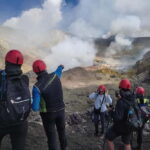
You will also appreciate the helmet inclusion here. The walk includes rocky ground and cave and lava terrain. A helmet is not just a checklist item, it is a safety-minded piece of gear that makes the whole day feel more controlled.
If you like learning while moving, this is the kind of tour where your brain stays on. You are not just passing points on a map, you are getting an active field lesson.
Valle del Bove from the summit zone, and why panoramas matter here
At some point during the hike, you get the chance to take in the Valle del Bove panorama, described as one of the most impressive views on the itinerary. This is one of those moments where the volcano stops being a climbing problem and becomes a visual story.
Why it works on this tour: you reach the viewpoint after walking across volcanic surfaces. By the time you look out over the valley, you are no longer just standing somewhere scenic. You understand where the ground under you came from, and you can better read the scale of the volcanic area.
Panoramas can feel generic on some tours. Here, the view is tied to what you learned along the way. It is the payoff for crossing lava flows, passing older eruptive centers, and standing near features connected to eruptions.
Pack for that moment. If you want sharp photos, you will still be in trekking clothes, often with wind exposure near the summit zone. Sunscreen and sunglasses help, and warm layers keep you comfortable while you pause.
Timing and pacing: a 6-hour plan with about 5 to 6 hours of hiking time
This experience is listed as 6 hours total, and the hike portion is described as about 5 to 6 hours with the route ending at roughly 2500 m. That can mean the day feels like a full block, not a quick morning stroll.
The general rhythm is simple:
- You meet at 9:00 am at Rifugio Sapienza.
- You ride the cable car up to the trekking altitude.
- You hike across volcanic terrain to the end point near the summit zone.
- You take the cable car back down and return to the meeting area.
Starting at 9:00 am is a plus. You are less likely to feel rushed, and you start your trek in a more comfortable part of the day. Still, you should plan mentally for changing conditions. On Etna, weather can shift, and the guide has the authority to modify or even interrupt the excursion if safety requires it.
If you like your tours to feel structured but not frantic, this one fits well. You do not spend hours waiting around, but you also do not get chopped into tiny segments that feel disconnected.
Price and value: what 67.97 euros really buys you
The listed price is $67.97 per person. That includes a volcanological guide and a helmet. Those two items are the heart of the experience. A guide is what turns lava rocks into a lesson, and the helmet is what keeps the hike practical and safer in rough terrain.
The biggest separate cost is the Etna cable car ticket, listed as 50 euros for adults and 30 euros for children up to 10 years old. So, for an adult, you should think about the cable car as an extra line item before you can reach the trekking zone by this method.
Food and water are also not included. That does not mean it is a “surprise cost” if you plan ahead, but you should budget time for snacks you bring and water you carry. Equipment like jackets, shoes, poles, kway (rain jacket), sunglasses, and sunscreen is not included either, so you are responsible for dressing like a real hiker.
Is it good value? For the kind of terrain and the kind of access you get, yes, especially if you want more than a generic crater photo. Paying for the cable car plus the guided hike still costs more than a self-guided viewpoint visit, but the learning and the guided fieldwork are part of why this tour is worth it.
If you already have trekking gear and you are comfortable walking on rough surfaces, your “out of pocket” day cost is mostly the cable car and your own snacks and water. If you need to rent or buy gear, factor that in too.
What to bring, what to wear, and what the guide will expect
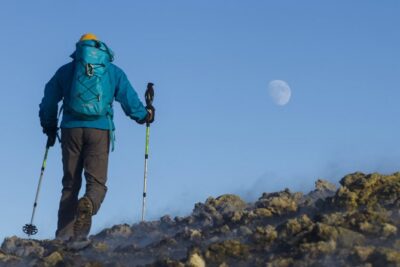
Etna summit craters hiking demands the basics: closed-toe footwear, layers, and sun protection. The tour’s “what to bring” list is clear, and you should take it seriously rather than treating it as optional.
Bring:
- Comfortable shoes, plus hiking shoes (closed-toe)
- Warm clothing for cool, windy summit air
- Long pants and outdoor clothing
- Snacks and water
- Sunscreen and sunglasses
- Trekking gear, if you use it
A couple of “do not” items matter:
- No alcohol and drugs
- No open-toed shoes
- No bare feet
Also, if you have a sensitive medical situation, tell the guide. The tour notes that it is important to warn the guide if you have heart problems, respiratory problems, or any other medical condition. That is not paperwork, it is part of keeping the group safe.
When to bring extra layers: even if the lower slope looks mild, the summit zone can feel cooler. Warm clothing helps you stay comfortable while you stop for views and while you wait through any short changes in the route.
Who this hike suits, and who should skip it
This is not for everyone. It is suitable for hikers who have no difficulty walking on sandy or rocky terrain and on exposed ground, but you still need to be realistic about your body and your breathing.
The tour is explicitly not suitable for:
- Children under 5 years old
- Pregnant women
- People with mobility impairments
- People with respiratory issues
- People with altitude sickness
- People with high blood pressure
If you have any of those risk factors, it is better to choose a different Etna experience that matches your situation. The volcano does not care about good intentions, and altitude plus exposure can turn a fun day into a stressful one.
For everyone else, this can be a great fit if you want:
- A guided volcanological explanation while you walk
- A route with visible volcanic features like lava flows and caves
- A strong viewpoint moment at Valle del Bove
- A half-day adventure format that still has enough time to enjoy stops
Should you book the Etna Summit Craters hike?
If you are looking for Etna in a way that is practical and educational, this tour is a solid choice. You get the summit craters experience with a volcanological guide, a helmet for safety, and a route built around real volcanic features like lava flows, a 2003 eruption cave, and hot points. You also end with the payoff view of Valle del Bove, after you have earned it on foot.
I would book if you:
- Can walk on exposed rocky or sandy terrain
- Have appropriate hiking shoes and warm layers
- Are ready to pay for the cable car separately
- Will bring your own snacks and water
I would think twice if you:
- Fall into one of the listed not-suitable categories (respiratory issues, altitude sickness, high blood pressure, pregnancy, mobility impairments, or young children)
- Hate uneven ground or do not handle wind and sun well
This is the kind of Etna day where the details matter, and the guide makes those details make sense. If that sounds like your style, you will likely come away feeling like you saw more than a crater.
FAQ
Where does the hike start, and what time does it begin?
The meeting point is at the square of Rifugio Sapienza, in front of the refuge entrance. The tour starts at 9:00 am, and the guide sends the meeting place by WhatsApp.
How long is the Etna Summit Craters hike?
The activity is listed as 6 hours total. The hiking portion is described as lasting about 5 to 6 hours, and it ends near 2500 m before taking the cable car back down.
What is included in the ticket price?
The ticket includes a volcanological guide and a helmet.
Is the cable car ticket included?
No. The cable car ticket is not included. It is listed as 50 euros for adults and 30 euros for children up to 10 years old.
Do I need to bring food and water?
Yes. Food and water are not included, so you should bring snacks and water for the hike.
What footwear and clothing are required?
You need closed-toe hiking shoes and long pants. The tour also advises warm clothing and outdoor layers. Open-toed shoes and bare feet are not allowed.
Who should not book this experience?
It is not suitable for children under 5 years old, pregnant women, people with mobility impairments, people with respiratory issues, people with altitude sickness, and people with high blood pressure.
Can I cancel and get a refund?
Yes. There is free cancellation up to 24 hours in advance for a full refund.
More Tour Reviews in Nicolosi
Not for you? Here's more nearby things to do in Nicolosi we have reviewed
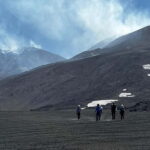
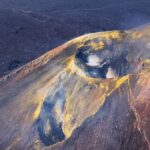
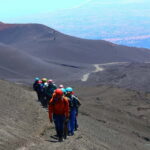
Mount Etna Volcano Tours, compared.
 ★ 4.8Catania: Mount Etna Morning or Sunset Day Trip with TastingFrom $704,028 reviews
 ★ 4.7Mount Etna: Guided Volcano Summit Hiking Tour with Cable CarFrom $1243,784 reviews
 ★ 4.8Catania: Sunset Jeep Tour of Mount Etna and Lava Flow CavesFrom $712,113 reviews
 ★ 4.7Mount Etna: Trek to 3000m with cable car and jeepFrom $621,978 reviews
 ★ 4.8Mount Etna: Summit Crater Trek with Cable CarFrom $771,875 reviews
 ★ 4.8Etna and Alcantara Gorges Full-Day Tour with LunchFrom $1051,766 reviews
 ★ 4.3Mount Etna: Roundtrip Cable Car and 4×4 Bus TicketFrom $971,602 reviews
 ★ 4.7Etna Volcano: South Side Guided Summit HikeFrom $671,545 reviews
Browse the lists this tour appears in