
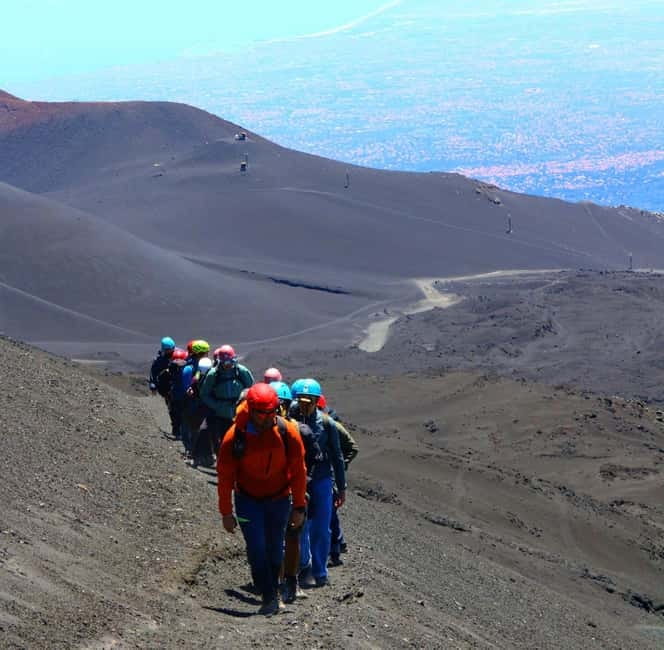
Reviewed · MOUNT ETNA VOLCANO TOURS
Catania, Etna trekking with guide and cable car at 3000 meters + transfer available
Cold air plus hot science. That mix is why this Etna trek stands out. You’ll walk on Europe’s highest active volcano with a trained, authorized volcanological guide, and you’ll spend nearly five hours with them as you move from the cable car up toward crater terrain. One drawback to plan for, though, is that conditions can be chilly and windy at higher elevations, even when the forecast looks mild in Catania.
What I really like is how the route is guided by current safety rules, so you get real volcanic sights without feeling like you’re guessing. I also like that you get proper gear for the climb, including a helmet and (if you ask) walking sticks, which helps when the ground shifts from dusty to rocky. Just note this is not for everyone: it’s not suitable for kids under 10, people with heart or respiratory issues, vertigo, motion sickness, or anyone older than 80.
Key highlights to know before you go
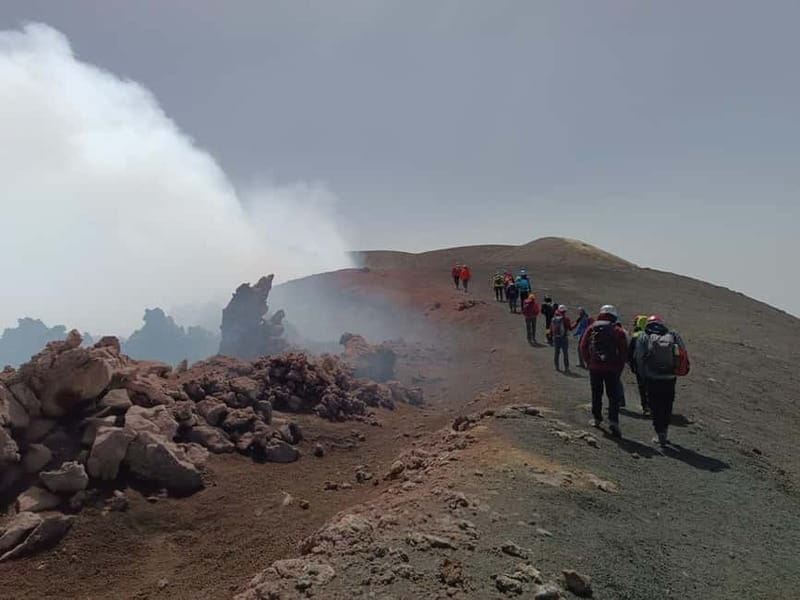
- Authorized volcanological guide walking with you and explaining what you’re seeing, not just pointing at rocks
- Cable car up to about 2,500 meters before the hike, so you start higher and gain time on the volcano
- A safety-driven route that follows changing rules based on volcanic risk levels
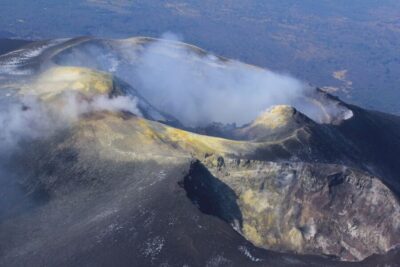
- Crater history you can visualize, including the Barbagallo craters from 2002 to 2003
- Valle del Bove views and a route that follows old caldera terrain
- Small group feel, which usually makes Q and A easier during the walk
Why an Etna trek with a volcanologist beats a casual viewpoint
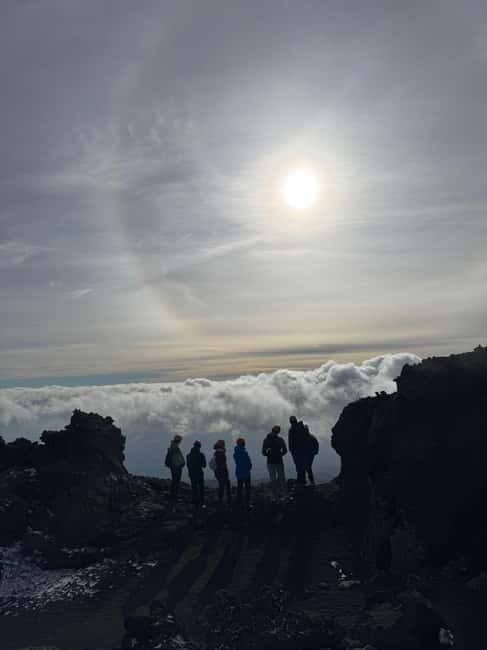
Mount Etna is one of those places where photos can look dramatic, but the story behind them is what makes the experience click. This tour is built around a volcanological guide who helps you understand the cause-and-effect of eruptions, collapses, and what “safe access” actually means on an active volcano.
Instead of rushing straight to a single photo stop, you move through multiple zones: the recent eruption areas you cross on the way up, the crater terrain you climb, and then the descent toward older volcanic formations. That pacing matters because it gives you time to connect the landscape with the explanation, especially when the guide uses names like Barbagallo craters and Valle del Bove while you’re actually standing near the features.
The other big win is that the route is not fixed like a theme-park circuit. You’ll reach the highest point allowed by regulations that depend on the day’s volcanic risk. That means the tour stays flexible, and the focus stays on safety while still aiming for the most impressive access possible.
You can also read our reviews of more guided tours in Nicolosi
Rifugio Sapienza to cable car, the altitude jump that sets your whole day
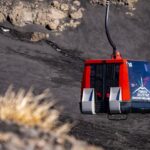
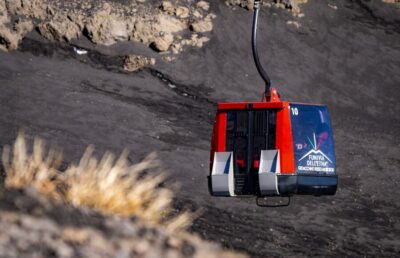
Your day starts in the Rifugio Sapienza area at around 1,900 meters. The schedule is designed so you’re not just grinding up from sea level. You take the cable car up to roughly 2,500 meters, which saves your legs and helps you spend more of your time hiking among volcanic features rather than waiting in transit.
This is also where you should get serious about what you wear. Even when Catania is comfortable, higher elevations can feel cold, and your jacket needs to work in wind. Bring comfortable clothes you can layer, and plan on a quick snack break later, because you’ll want warm calories and something to eat before the walking ramps up.
Also pay attention to the guide’s group instructions before you move. Cable car days can feel smooth, but once you start walking, the pace shifts. Your body adapts to altitude and cooler air pretty fast, but the terrain is real, so treat the climb like a hike, not a stroll.
The hike begins with eruption terrain, then you climb the Barbagallo craters
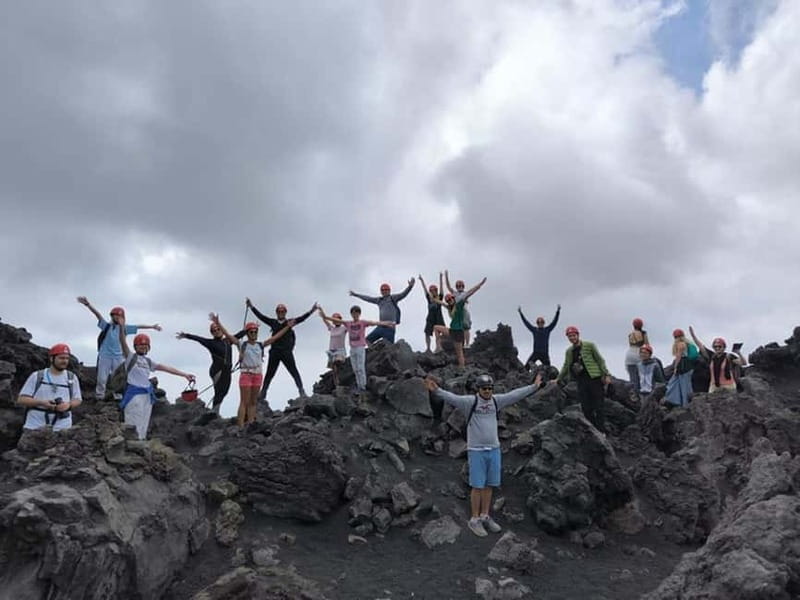
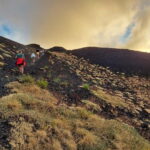
After the cable car, the trek starts by crossing areas linked to the most recent and important eruptions. This matters because those zones are where you learn to read Etna. You’re not just seeing “volcano stuff,” you’re walking through the evidence of how material was laid down during past activity.
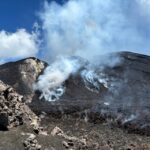
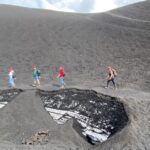
From there, you’ll climb the Barbagallo craters, which erupted in 2002 to 2003. Standing on or near craters from a specific eruption gives you a sharper sense of time. The guide can connect the eruption period to what’s still visible today, so you understand how quickly volcanic landscapes evolve, even years after the event.
Then you descend on the eastern side. Expect the descent to be as important as the ascent. Downhill on volcanic ground can feel tricky when it’s dusty or uneven, so proper footing matters. If you requested walking sticks, this is where they can help a lot with balance.
If you prefer one big takeaway from this portion, it’s that the tour is paced so you experience change in terrain while the guide can explain each shift. You’ll feel it as you move, not as a lecture you endure.
Snack break and photo time, what to do so you do not rush
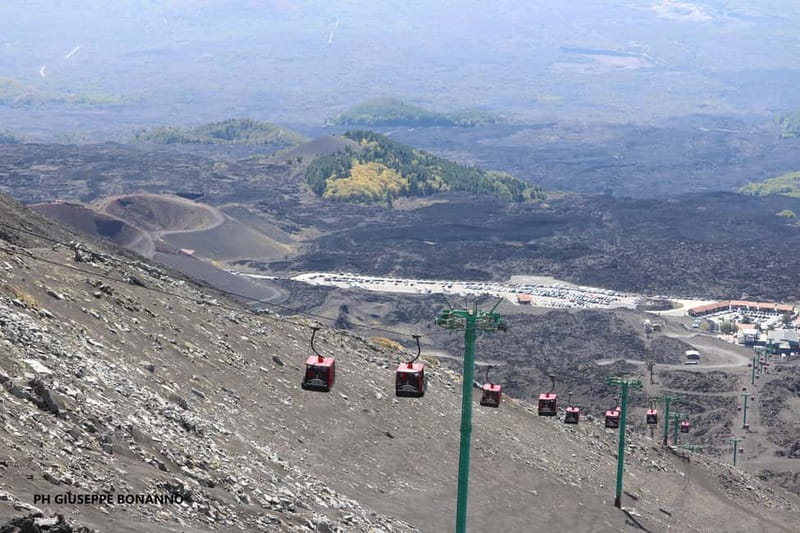
You’ll have about a 30-minute break to eat something. This isn’t a vague “rest whenever.” It’s a real pause built into the route, which you should take seriously.
Bring food and drinks from the start of the day. The break is the moment to refuel before you continue into the more open, longer view section. It’s also when you can take photos without the pressure of keeping up with the group every few minutes.
A practical tip: keep your snack simple and easy to eat outdoors. Cold air can reduce your appetite, and you’ll want quick fuel that doesn’t require sitting still for long. If you get cold easily, use the break time to add a layer before you start walking again.
Valle del Bove, where the walk turns from crater drama to caldera scale
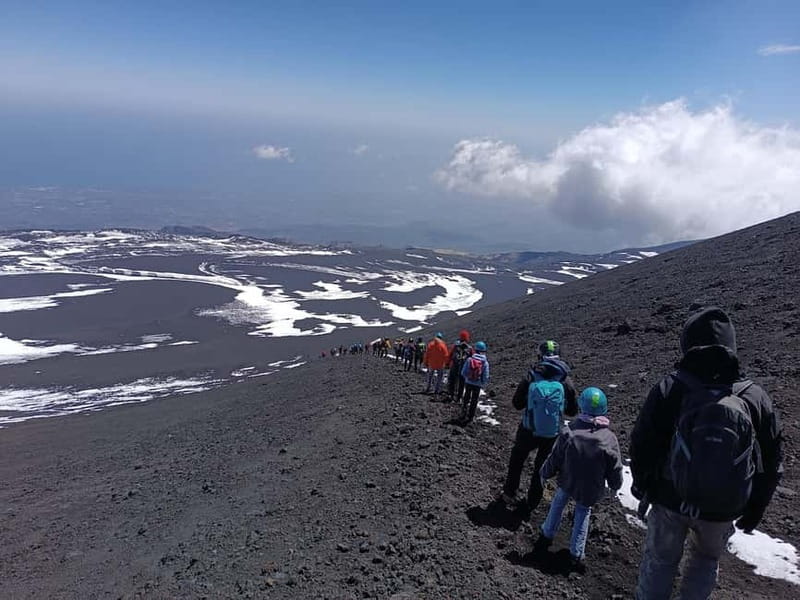
After the craters and descent, you head toward Valle del Bove, described as an ancient caldera formed about 9,000 years ago through the collapse of Etna’s older eruptive centers. This part changes the emotional tone of the day.
Instead of focusing on a single crater feature, you start experiencing Etna’s scale. Valle del Bove can feel wide and open, and that’s where the guide’s explanations help you connect the idea of a caldera to a route you’re actively hiking across.
This is also the section where your attention should shift from footwork to observation. Watch for how the terrain channels your path and how volcanic layers or broken ground hint at past structural change. You’re still walking, but you can take in more at once.
If you like geology, this is the area that usually clicks fastest, because the caldera story is big enough to make the smaller crater details feel meaningful rather than random.
You can also read our reviews of more hiking tours in Nicolosi
The 2001 crater base area, then back down toward the cable car
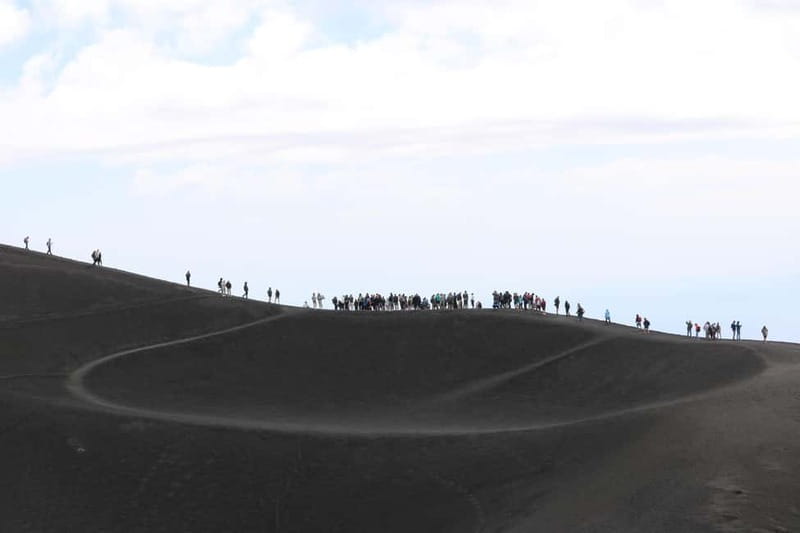
Next you continue south until you reach the base of the crater formed during the great eruption of 2001. After crossing that section, the tour heads back toward the cable car to return to the starting point.
This final stretch is often where people underestimate fatigue. You may feel energized early, but the end can sneak up on you because you’ve already spent time at altitude and you’ve done both climbs and descents. Take it one step at a time, and don’t be shy about using any included gear like walking sticks if you asked for them.
The good news is that the day is structured to bring you back to the cable car, so you’re not hiking your way endlessly back to the parking area. That loop is one of the reasons this tour feels doable, even though it’s clearly an active day on Etna.
Equipment, group size, and how the tour stays friendly without feeling rushed
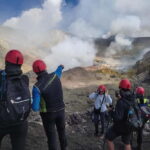
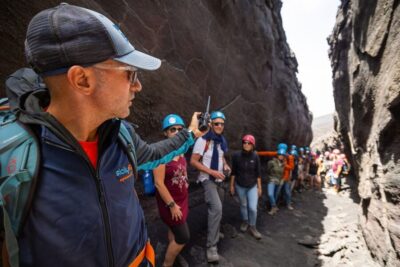
You’re provided a helmet, which is a smart extra on a volcanic terrain hike where you want clear head safety. Walking sticks are available on request, and they can make a noticeable difference on uneven ground.
The tour also lists insurance and includes the volcanological guide. Multilingual support is available in English, Italian, and French, with trained guides who can explain what you’re seeing at a level that matches your questions.
Group size is described as small, and that matters more than you might think. In a small group, it’s easier to slow down when terrain gets awkward, and you’re more likely to get answers to questions as they come up rather than waiting until the end.
One more detail I appreciate: the day is not marketed as a party tour. Alcohol is not part of the plan. Red wine and alcohol are not allowed, and you should expect the atmosphere to be focused and outdoorsy.
Price and value, $76.47 plus the cable car ticket you pay on site
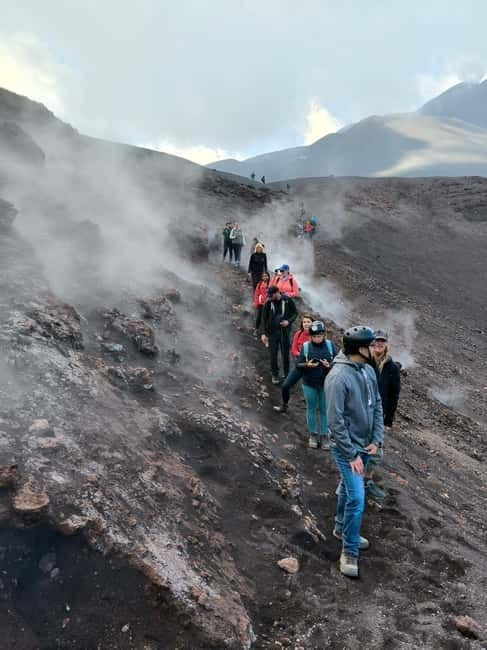
The listed price is $76.47 per person, and the major practical catch is that the cable car ticket costs €52 per person, paid directly to the guide. There’s a reduced cable car fare for children up to ten years old at €30, but the tour is not suitable for children under 10, so you’re mainly looking at the adult rate in most cases.
So what are you really paying for?
You’re paying for the guided portion that’s the core of the day: the volcanological guide, the safety-focused access, the helmet, and the time built into the schedule so you can actually understand what you’re looking at. You’re also skipping the ticket line, which saves time and can reduce stress on a busy Etna day.
To judge value, think about what you’d pay if you tried to do this on your own. Buying a cable car ticket is only part of it. The real value is having an authorized guide who can take you to the highest allowed areas and explain the evidence as you walk.
If you want the volcano experience with less guesswork and more meaning, this price structure makes sense. If you’re the type who just wants quick views and you’re comfortable navigating and interpreting terrain without a guide, you might feel the cost is higher than a basic outing. For most people, though, the guide experience is the main event.
Transfer from Catania, and what to plan for on a long volcano day
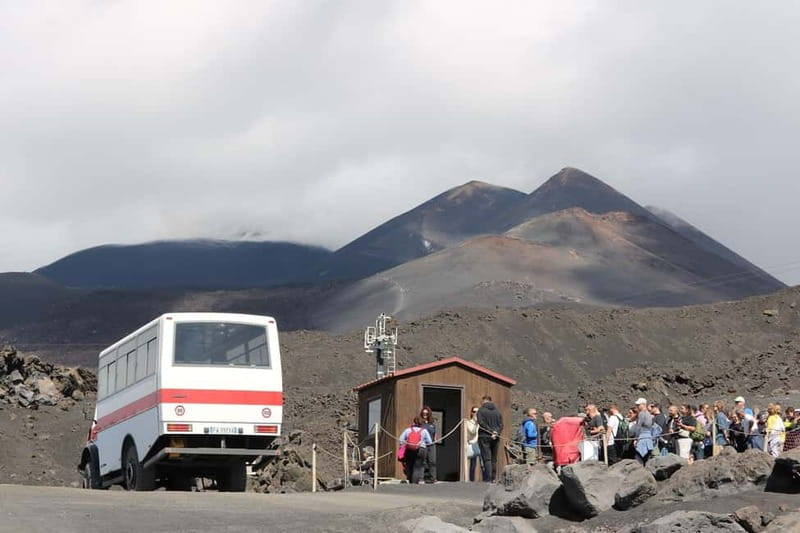
You can start from the meeting point at Rifugio Sapienza. Pickup is optional by shuttle bus or car to your hotel, available in almost the entire province of Catania, with a separate fee of $35 per person round trip.
On a day like this, the transfer option can help you avoid added stress. If you’re staying in Catania and don’t want to worry about getting to Sapienza on your own, the shuttle can make the whole plan simpler.
Keep in mind the total experience runs 5.5 to 6 hours, so even with a transfer you’re committing to a half-day. Build in energy for the hike and for the altitude break. It’s also a good idea to pack food and drinks ahead of time so you’re not hunting for snacks in the last minute.
What the guide actually does, and how you get more than a workout
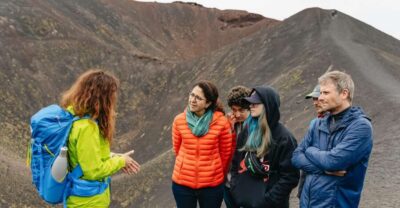
A volcanologist guide changes the vibe. In the experience information, the tour is led by authorized mountain and volcano guides, and the goal is to keep you safe while also making the geology understandable.
In one past departure, a guide named Giuseppe was highlighted for being very good and for teaching a lot about Etna and volcanoes. That’s exactly the kind of support that makes the route worth it. You’re not only seeing craters and caldera terrain, you’re learning why the terrain looks the way it does.
Expect explanations tied to what you’re standing on: eruption history, changes in volcanic zones, and how access limits relate to risk. It’s this mix of walking and meaning that turns Etna from a bucket list photo into a story you can remember.
Safety and restrictions, who should take a pass
Etna trekking is not for everyone, and this tour is honest about that. It’s not suitable for:
- People with heart problems
- People with vertigo
- People with respiratory issues
- People with motion sickness
- People older than 80
- People with pre-existing medical conditions
- Children under 10
So if you’re unsure, treat that as a serious signal, not a minor note. Volcanic terrain can be uneven, winds can increase fatigue, and altitude plus movement can make symptoms worse.
Also follow the no-drink rules. No drugs, no alcohol, and red wine is not allowed. Nudity is also not allowed. These rules help keep the day safe and appropriate for outdoors conditions.
Practical tips that make your Etna day smoother
Here are the small choices that pay off fast on Mount Etna:
- Pack food and drinks. You’ll stop for about 30 minutes to eat, so plan to have something you actually like.
- Wear comfortable clothes and dress in layers. Cold is a real thing up high, and you’ll be moving enough to sweat, then cooling off when you pause.
- Bring shoes you trust on rocky, dusty ground. Even if shoes are listed as included, you personally know what footwear works for you.
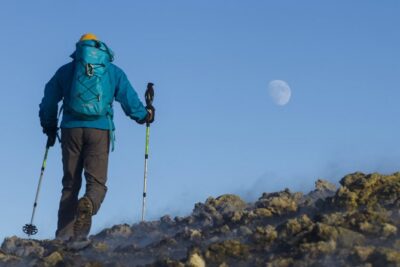
- If you need walking sticks, request them. It’s allowed on request, and it can help with balance on descents.
- If you want pickup from your hotel, message ahead to arrange it. The pickup fee is separate, so plan for that in your budget.
Who should book this Etna trek
This is a great fit if you:
- Want an active volcano experience with a trained guide
- Like geology and want explanations tied to what you see
- Prefer a small group setting where questions are easy
- Are okay spending most of the day outdoors, with a realistic hike pace
It may not be the best fit if you:
- Need a very flat walk or a very short outing
- Have vertigo, motion sickness, respiratory issues, or heart concerns
- Want purely quick photos without guide time
Should you book Etna trekking from Catania?
If you want the best version of Etna without taking on the uncertainty of self-guided crater access, I think this is the smart move. The combination of authorized volcanological guidance, a cable car up to about 2,500 meters, and a route shaped by day-specific safety rules gives you both drama and comfort.
The main reason to hesitate is simple: this is a hike in real mountain conditions. If cold, uneven ground, or altitude could be an issue for you, you should be cautious and honestly evaluate your comfort level.
If you’re feeling good physically and you want to understand Etna rather than just see it, book it. This is one of those days where the guide’s explanations can turn a steep path into a real education.
FAQ
Where does the tour start?
You meet at Rifugio Sapienza square. Look for promoters wearing fuchsia jackets in a chalet opposite the Rifugio Sapienza with orange flags.
How long is the experience?
It runs about 5.5 to 6 hours total. Starting times depend on availability.
Is the cable car ticket included?
No. The cable car ticket costs €52 per person (and €30 for children up to ten years old). You pay it directly to the guide.
What is included in the tour price?
Included items are a multilingual volcanological guide, insurance, a helmet, and walking sticks on request (and shoes are listed as included).
Do I need to bring my own food and drinks?
Yes. Food and drinks are not included. You’ll also have a break of about 30 minutes during the walk.
Is pickup available from Catania?
Pickup is optional for a fee by shuttle bus or car to your hotel in almost the entire province of Catania. You need to request it in advance.
What languages are the guides available in?
The live guide is available in English, Italian, and French.
Who should avoid this tour?
The activity is not suitable for children under 10 and is not recommended for people with heart problems, vertigo, respiratory issues, motion sickness, pre-existing medical conditions, or people over 80.
More Hiking & Trekking Tours in Nicolosi
More Guided Tours in Nicolosi
More Tour Reviews in Nicolosi
Not for you? Here's more nearby things to do in Nicolosi we have reviewed
Mount Etna Volcano Tours, compared.
 ★ 4.8Catania: Mount Etna Morning or Sunset Day Trip with TastingFrom $704,028 reviews
 ★ 4.7Mount Etna: Guided Volcano Summit Hiking Tour with Cable CarFrom $1243,784 reviews
 ★ 4.8Catania: Sunset Jeep Tour of Mount Etna and Lava Flow CavesFrom $712,113 reviews
 ★ 4.7Mount Etna: Trek to 3000m with cable car and jeepFrom $621,978 reviews
 ★ 4.8Mount Etna: Summit Crater Trek with Cable CarFrom $771,875 reviews
 ★ 4.8Etna and Alcantara Gorges Full-Day Tour with LunchFrom $1051,766 reviews
 ★ 4.3Mount Etna: Roundtrip Cable Car and 4×4 Bus TicketFrom $971,602 reviews
 ★ 4.7Etna Volcano: South Side Guided Summit HikeFrom $671,545 reviews
Browse the lists this tour appears in