
Reviewed · MOUNT ETNA VOLCANO TOURS
Nicolosi: Excursion Etna Craters at 3000 mt.
Etna’s craters start with a real, hands-on briefing. This half-day hike runs from Nicolosi with certified volcanological and alpine guides and includes a check of the latest conditions from the N.I.G.V. bulletin of Catania. You get a tight plan for a very changeable volcano day.
I love the chance to reach Etna’s highest crater area and learn what you’re looking at while you walk through a lunar-feeling route. Guides also build in talk about the volcano’s flora and fauna, so it’s not only photos and wind.
One possible drawback is timing. If people show up with the wrong kit or low fitness, the group can lose time, and bad weather can mean you do not make the highest points, even though the goal is always the top.
Key Highlights Worth Planning For
- N.I.G.V. bulletin updates before you climb, with day changes relayed in the morning
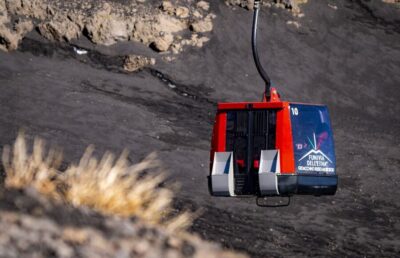
- Cable car to 2500 m, which turns a brutal full-day climb into a focused 5-hour hike
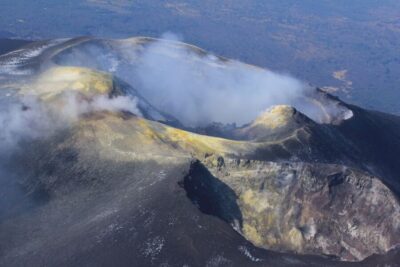
- Active crater walk at a safety distance, including Bocca nuova, Voragine, and the North East and South East Craters
- Valle del Bove caldera views from the Belvedere, the big wow moment for many people
- Guides adapt the pace and check in, including breaks for food and drinks
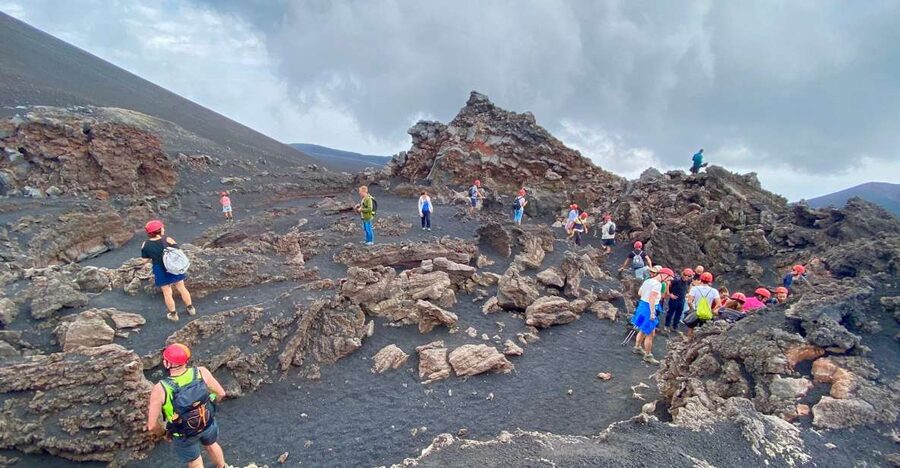
- Practical terrain tips, like tall boots to avoid lavasteinchen in your shoes and sun protection for wind and dust
First Stop at Bar Esagonal, Then a Volcano Day Briefing That Makes Sense
This tour starts like a pro operation, with a meet-up at 10:00 inside Bar Esagonal near Piazzale Funivia Etna Sud in Nicolosi. Before anyone goes up, there are equipment handouts, paperwork-style formalities, and ticket delivery, plus the key step: the most recent information from the N.I.G.V. volcanological bulletin of Catania.
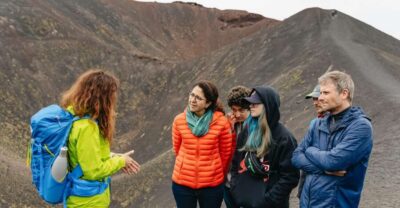
Why I like this structure for your Etna day: it reduces guesswork. Etna is not like a museum you can visit on a fixed schedule. Conditions can change, and the tour plan can shift based on forecasts and civil protection needs, with changes communicated by your guides in the morning.
If you get Gianfri, you’re in good hands. One guide is noted for clear English, a friendly style, and sharing real experience, not just a script.
You can also read our reviews of more tours and experiences in Nicolosi.
10:30 Departure, Cable Car to 2500 m, Then the Trek Begins
After the 10:00 meeting, the group departs at 10:30, though the exact time can move due to ordinances and other events. That matters, because the day is built around a weather window and rules set for access to the crater area.
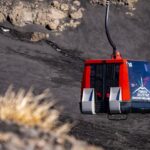
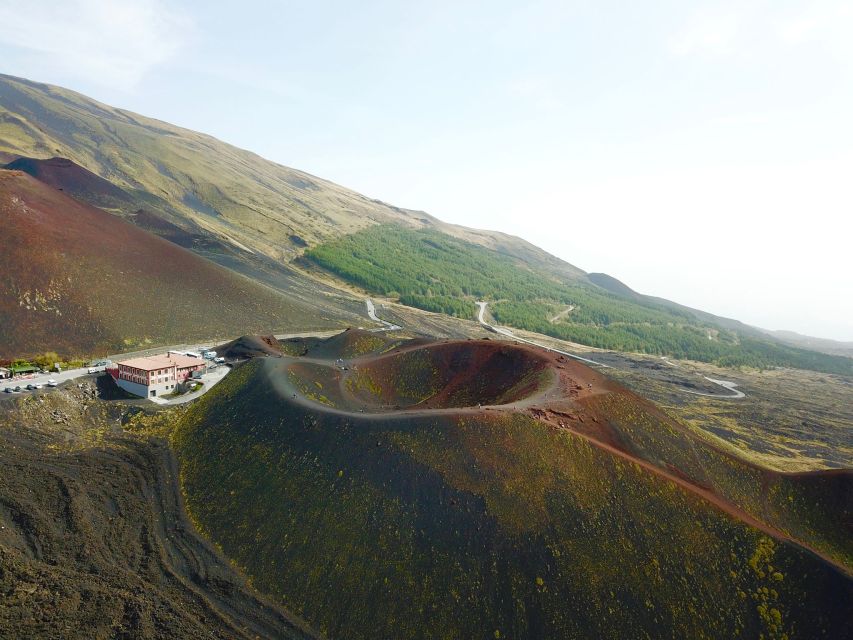
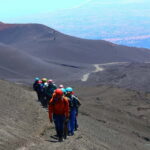
Once you start climbing, you take the cable car to 2500 m. That single decision is why this hike works for people who want Etna without committing to a whole day of steep elevation gain. From 2500 m, the real walking starts, and the terrain shifts quickly from normal mountain scrub vibes into something closer to volcanic “other-world.”
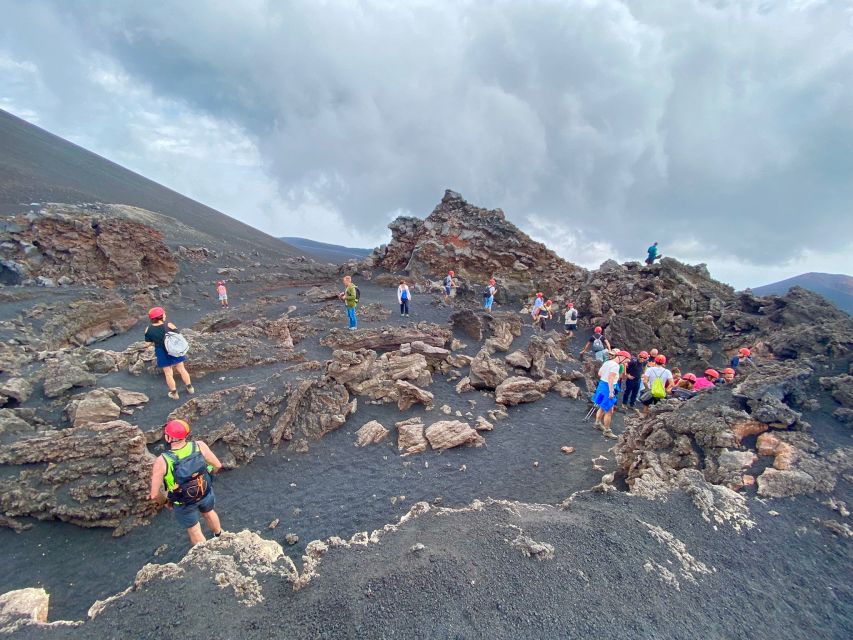
From here, your guides lead you through sections explained with geology and volcanology in mind. You’re not just hiking to a viewpoint, you’re hiking with context. And because it’s a guided group, you should also expect help with pacing and staying together.
Etna’s Highest Crater Area: Bocca Nuova, Voragine, and Two More Craters
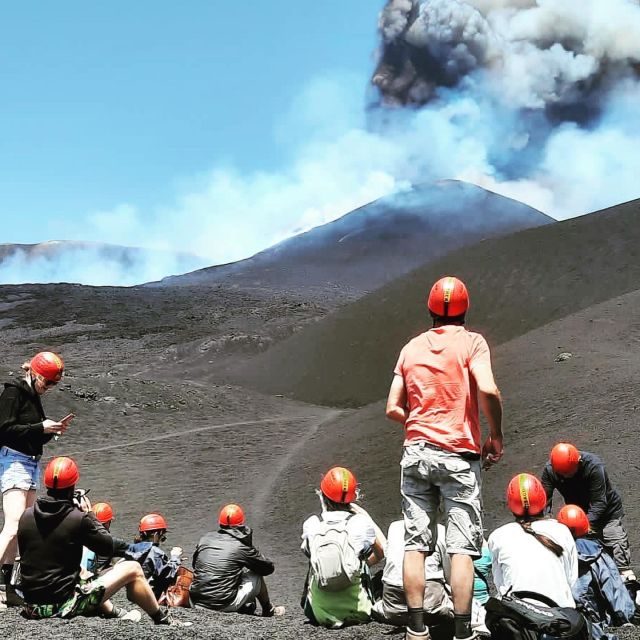
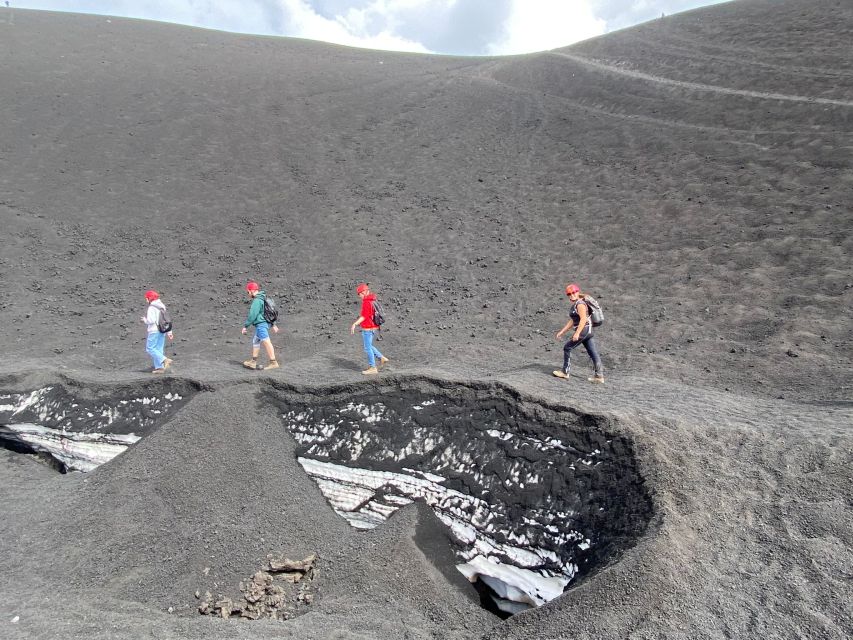
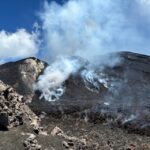
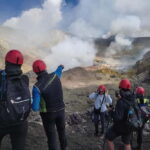
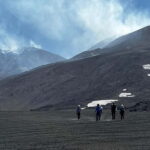
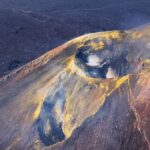
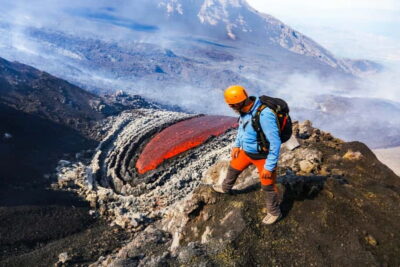
The heart of the experience is reaching the crater area on Etna, staying at safety distance from active zones. Your guided route specifically aims for major craters including Bocca nuova, Voragine, and the North East and South East Crater areas.
What I like here is that the “highest” part is a goal with a reason. From the crater rim areas, you get a better sense of Etna’s scale than you do from a road viewpoint. And the guide-led explanations help you connect what you see with what it means, so you’re less likely to feel like you’re just walking through smoke and rocks.
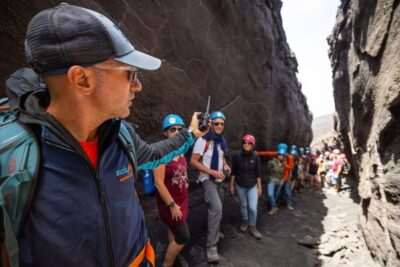
The guide can also make a difference in how the hike feels day-to-day. One guide, Fabricio, is described as answering questions freely and adjusting the tempo for the group. That kind of group-aware pacing helps you avoid the classic problem: everyone starts fast, half the group falls behind, and the rest of the day turns into damage control.
The Lunar Terrain Part, Plus Flora and Fauna Talk You Can Actually Use
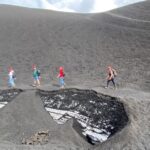
You’ll walk across terrain that feels almost lunar, and the guides use that setting to talk about volcanic ecology. The tour highlights mention flora and fauna exploration, which usually means you get pointed cues on what’s possible to find in such harsh ground.
Even if you are not a science person, this is worth your attention. Etna’s environment changes with elevation and exposure, and a guide can help you “read” what’s around you. Instead of only thinking about where your feet land, you’re learning what the volcanic ground supports.
This also helps with pacing. When the route gets steep or windy, having a guide give you something to focus on besides your breathing can make the whole hike feel more manageable.
Belvedere and the Valle del Bove Caldera: Why That View is the Payoff
After the crater segment, the hike continues toward the Belvedere, a viewpoint designed for what many people come for: the Valle del Bove caldera.
Think of this stop as the story’s final chapter. Crater areas are dramatic up close, but the Valle del Bove view gives you the bigger mental picture. You see the shape of Etna’s past and scale of the volcanic valley system, and you can understand why this area is so famous.
This is also where your day can be affected by weather and time. If the group is behind schedule, your guides may have to adjust what’s possible. That’s why your preparation matters, and why kit and fitness are not “nice-to-have.”
Safety and Health Limits That Really Do Shape the Tour
Etna rules are serious here, and the tour is explicit about who should not go. It is categorically not recommended for heart patients and people with respiratory problems like asthma. It is also listed as not suitable for people with back problems, epilepsy, altitude sickness concerns, people afraid of heights, and for those with insect allergies.
There is also a weight limit listed at over 220 lbs (100 kg), plus a guidance limit of not suitable for people over 70 years and for people with low level of fitness. If you are on the fence, take that seriously. This is a hike to high elevation crater zones, with wind and rocky surfaces, so “I can walk a bit” is not the same as being ready for this.
One practical note: the craters are viewed from a safety distance, so you are not getting close-ups that ignore the risk. You get a guided look with protective boundaries, which is exactly what you want on an active volcano.
What You Should Pack for Wind, Dust, and Volcanic Rocks
The tour does not describe every item you must carry, but the conditions are strongly implied by the setting. Plan for cold, wind, sun, and dusty air that can get into everything.
Here’s the best advice you can take into your packing list:
- Bring food and drinks. The day includes eating and drinking breaks, but you should still plan your own supplies rather than hoping snacks are easy to find up there.
- Wear hiking boots that are high if you have them. Lava rock particles, lavasteinchen, can slip into lower shoes in some spots.
- Pack a warm jacket. It can be cold and windy, even when the lower streets feel mild.
- Use LSF 50+ sun protection and bring a head covering. Wind does not mean no sun, and dust makes it even easier to feel dry-eyed and exposed.
- If you wear contact lenses, expect dusty conditions. Wind equals grit, and grit equals discomfort.
If you can, show up with the right footwear and reasonable fitness. One issue that can ruin a good tour is not unsafe walking, it is losing time because people are unprepared. That can affect whether you reach the highest points before weather shifts.
Price and Value: What You Pay for, and What Costs Extra
The price listed is $71 per person for a 5-hour guided experience. Here’s the key value point: what’s included is the guided climb with a volcanological or alpine guide. The cable car is not included.
The cable car costs about €50, paid locally. That means your full “Etna from Nicolosi” budget is higher than the headline price once you add the transport up the mountain.
Still, I think it can be good value if you want three things:
- Expert guidance from people who know how to interpret the terrain and craters.
- A structured route that focuses on crater access and a major viewpoint, not random wandering.
- A realistic time frame, since the cable car compresses the elevation grind.
If your main goal is a casual drive-by view, you could probably do it cheaper. But if your goal is a guided crater hike with a Belvedere payoff, paying for the guide matters.
Group Pace, Breaks, and the Reality of a Weather-Variable Volcano
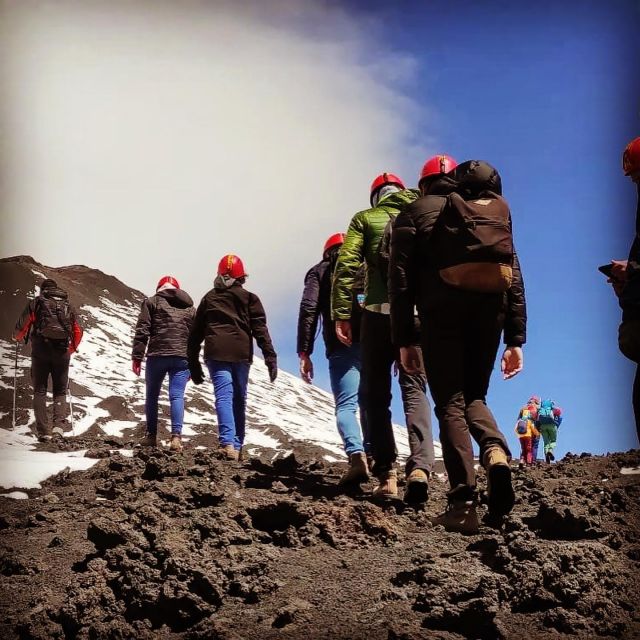
This tour is guided and paced for a group, not for solo speed demons. One guide style described is actively checking whether everyone feels okay and adjusting the tempo as needed. That helps a lot when you are moving through uneven ground at high altitude.
There are also meal and drink pauses built in, and the timing is described as fitting the flow of the hike. You should still treat the half-day as active. It is not a sit-and-stare photo stop with long rest periods.
And again, weather is the wild card. If you arrive with the wrong kit or you are not ready for a hike that climbs up to crater zones, you can lose time. Once that happens, the plan can tighten quickly if wind, cloud, or other conditions move in.
Who Should Book This Etna Crater Hike (and Who Should Not)
This tour is a strong fit if you:
- Want certified volcanological guidance and are interested in what you’re seeing, not just the view
- Can hike at altitude for a sustained period and handle rocky ground
- Like structured day plans where you get to see both crater areas and the Valle del Bove caldera viewpoint
- Plan ahead on footwear, sun protection, and cold-weather layers
It is a poor fit if you fall into the tour’s safety and suitability limits, especially if you have heart problems, respiratory issues, epilepsy, altitude sickness concerns, or significant back problems. If heights make you nervous, take the listing seriously and consider a gentler Etna option.
If you have insect allergy concerns, note that it is listed as not suitable. And if you are close to the age or weight limits, be honest with yourself about how much control you can maintain on a windy volcanic slope.
Should You Book Nicolosi’s Etna Craters Hike?
Book it if you want a guided, high-impact Etna hike that targets crater zones and the Valle del Bove viewpoint, and you can show up prepared with proper boots, warm layers, and sun and wind protection. The best part is not only the volcanic scenery, it’s the way the day is managed with expert guidance and real condition updates.
Skip it if you know your fitness is low or you have health risks that match the tour’s not-suitable list. On a volcano, you want your day to be about learning and views, not about pushing through discomfort.
If you do book, do one thing that really changes your odds of success: arrive with the right kit and keep your expectations realistic about weather. Etna rewards good preparation.
FAQ
Where is the meeting point for the Etna Craters tour?
You meet near Bar Esagonal at Piazzale Funivia Etna Sud, 95030 Nicolosi CT, Italy.
What time does the tour meet and when does it depart?
Meeting is at 10:00 inside Bar Esagonal. Departure is at 10:30, and the departure time may change due to ordinances and other events.
Does the tour price include the cable car?
No. The cable car service is not included. The cost is about €50 and is paid locally.
What crater areas and viewpoints are included in the route?
The hike includes crater areas such as Bocca nuova and Voragine, plus the North East and South East Crater areas, viewed at a safety distance. It also heads to the Belvedere viewpoint to admire the Valle del Bove caldera.
What languages is the live tour guide offered in?
The live tour guide operates in Italian and English.
Is the tour suitable for people with heart or respiratory problems?
The tour is categorically not recommended for heart patients and people with respiratory problems such as asthma. It is also listed as not suitable for people with heart problems.
More Tours in Nicolosi
More Tour Reviews in Nicolosi
Not for you? Here's more nearby things to do in Nicolosi we have reviewed
Mount Etna Volcano Tours, compared.
 ★ 4.8Catania: Mount Etna Morning or Sunset Day Trip with TastingFrom $704,028 reviews
 ★ 4.7Mount Etna: Guided Volcano Summit Hiking Tour with Cable CarFrom $1243,784 reviews
 ★ 4.8Catania: Sunset Jeep Tour of Mount Etna and Lava Flow CavesFrom $712,113 reviews
 ★ 4.7Mount Etna: Trek to 3000m with cable car and jeepFrom $621,978 reviews
 ★ 4.8Mount Etna: Summit Crater Trek with Cable CarFrom $771,875 reviews
 ★ 4.8Etna and Alcantara Gorges Full-Day Tour with LunchFrom $1051,766 reviews
 ★ 4.3Mount Etna: Roundtrip Cable Car and 4×4 Bus TicketFrom $971,602 reviews
 ★ 4.7Etna Volcano: South Side Guided Summit HikeFrom $671,545 reviews