
Reviewed · PALERMO CITY & MARKET TOURS
Palermo: Anti-Mafia 3-Hour Walking Tour
A street story beats a textbook in Palermo. This 3-hour anti-Mafia walking tour uses symbolic sites to explain how ordinary people pushed back against organized crime. I like that the tour connects art, public spaces, and real civic action, so the message stays human, not abstract.
What I also like: your ticket supports Addiopizzo, a grassroots effort that encourages businesses and consumers to refuse extortion. The one drawback to plan for is that it is a lot of walking in a compact historic center, so it can feel long on hot days.
Key things to know before you go
- Teatro Massimo as your first clue, flipping the usual Palermo-from-film image into something more local and real
- Mural of Legality plus Capo Market, where street-level scenes lead into the big idea of civil resistance
- Piazza della Memoria and the Cathedral, bringing the story to the roles of courts and faith when mafia power tries to shape society
- City Hall and the Palermo Spring theme, tying the fight against extortion to civic mobilization
- Small group size (max 18), which makes it easier to ask questions and follow the threads
- Donation included, so your visit supports the refusal-to-pay culture behind Addiopizzo
Why Palermo’s Anti-Mafia Story Works Better on Foot
Palermo can look like it is all spectacle from a distance, but the city teaches you faster when you walk it. This tour is built around that idea: you move block by block through places that symbolize resistance, and each stop becomes a conversation about power, fear, and collective courage.
The anti-Mafia angle is not just names and dates. It is about how people live with pressure, how intimidation affects daily life, and how civil society fights back. You do not get a lecture that stays in the past. You get a guided walk that keeps asking you to think about free speech, public trust, and what it means to say no to extortion.
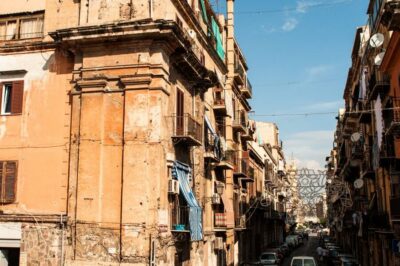
And because it is a walking route in the historic center, you are seeing Palermo the way locals feel it, not the way postcards package it. That matters if you want your trip to feel like you understand the city, not just visited it.
You can also read our reviews of more walking tours in Sicily



Start Point, Pace, and Group Size at Piazza Giuseppe Verdi
You meet at P.za Giuseppe Verdi, 54, 90138 Palermo. The tour ends back there, so you are not dealing with a long disconnect from the rest of your day.
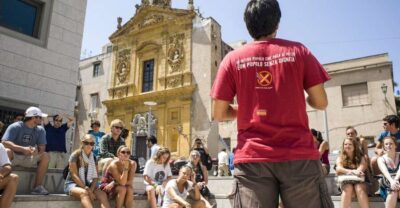
It lasts about 3 hours, and the experience is designed for most travelers, with a small cap of 18 people. For me, that small size is part of the value. When you have fewer people, the guide can keep momentum without losing the group. It also means questions are more likely to get answered clearly.
One practical note: this is described as a walking tour in the historic center. That sounds simple, but historic centers often mean uneven pavement and a lot of steps. One review even warned that it is not the best fit for children. I would treat this as an adults-first experience and plan for a steady walking rhythm.
Teatro Massimo: The Godfather Image, Then a Real Palermo
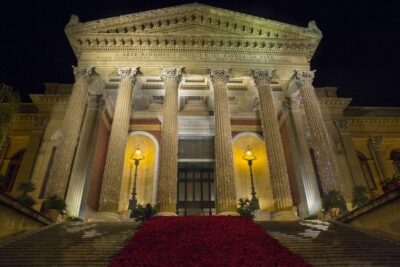
Your first stop is Teatro Massimo. For many people, Palermo’s famous buildings get filtered through pop culture, especially the imagery that people associate with The Godfather. The tour uses that moment to reset your thinking.
Here is the point: you are standing in a landmark that helps define Palermo’s identity, and the guide uses it to show a different face of the city. Instead of starting with crime stories, it starts with a place that signals culture, ambition, and public life. That matters, because it reframes what comes next.
When you later learn about anti-Mafia activism, you can see why it is not only about law enforcement. It is also about protecting the social space where art, politics, and community life can happen without fear.
What to pay attention to: take a quick moment to look around before the talk starts. Even if you already know Teatro Massimo from photos, the live setting helps the storytelling land.
Capo Market to the Mural of Legality: Resistance You Can See
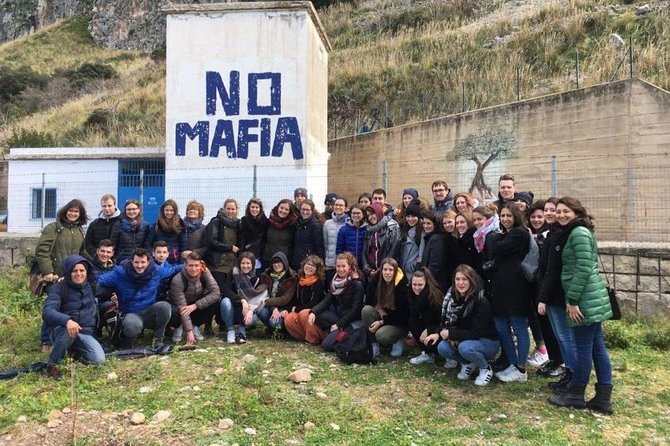
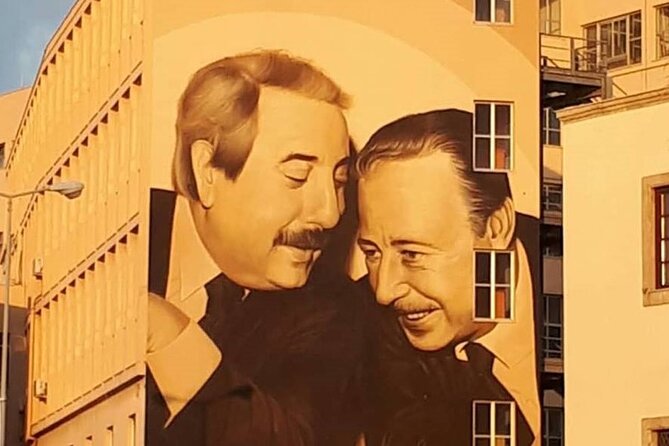
Next you continue on foot to the Mural of Legality, with a pass by the Capo Market, and you end up at Beati Paoli Square.
This is a smart part of the itinerary because it shifts the anti-Mafia story from monuments to public expression. A mural is not just decoration. In places like this, it signals values in plain sight. It turns the message into something you can read as you walk past, even if you are not stopping for a guided explanation.
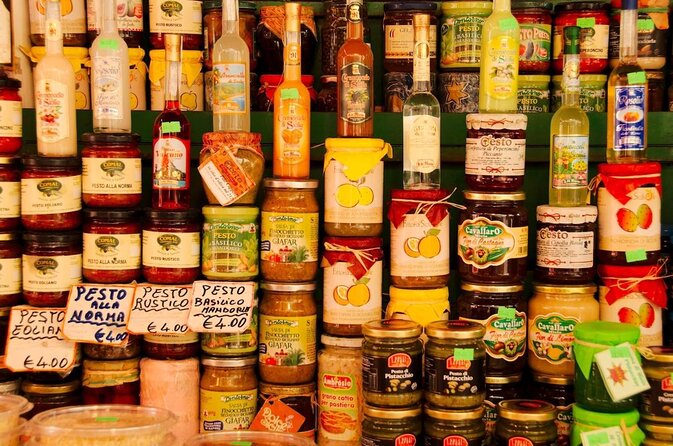
Capo Market adds another layer. Markets are where everyday Palermo shows up: daily routines, commerce, and social exchange. When activism is discussed right next to that kind of city life, it makes the message feel practical. It also highlights the real issue behind much anti-Mafia work: extortion pressures can distort markets, relationships, and livelihoods.
Possible drawback to plan around: this section includes moving through a lively area. If you are sensitive to crowds or you hate shoulder-to-shoulder situations, keep your expectations realistic.
Piazza della Memoria and the Cathedral: Courts, Faith, and Power

At Piazza della Memoria, the tour turns to a memorial dedicated to magistrates killed by the Mafia. That stop changes the emotional tone. You are no longer thinking in symbols only. You are confronting loss tied directly to the rule of law.
Then the walk continues to the Cathedral, where the guide addresses the issue of relations between the Mafia and the Catholic Church. That is a heavy topic, and it can feel uncomfortable, which is exactly why it is valuable. You learn that the anti-Mafia struggle is not confined to one institution. It affects how society negotiates authority, morality, and influence.
I like that the tour frames these stops as points for reflection. You are not just ticking off sights. You are connecting themes: intimidation versus justice, influence versus conscience, silence versus speech.
What makes this section worth your time: it broadens the story beyond criminal figures. It emphasizes how communities respond when powerful groups attempt to shape public life.
More Sicily island tours, Etna days, coastal boat trips, and food experiences to compare




City Hall and Palermo Spring: Civic Mobilization, Not Just Enforcement
The final stop is the City Hall, described as a place that also experienced the season of the Palermo Spring. This is the tour’s closing argument.
By ending here, the message lands on a theme that feels easy to forget when you only focus on arrests and investigations. Anti-Mafia work also happens through civic energy. It happens through organized refusal, public conversation, and the collective insistence that society should not be governed by intimidation.
If you want to understand Palermo, you need that last piece. Otherwise the story can become too one-note, like it is only about the mafia versus the police. Here, the emphasis is on how people pushed back together, including through grassroot campaigns like Addiopizzo.
Addiopizzo Donation: Understanding the Value of Your Ticket
The fee includes a donation to Addiopizzo, a grassroots movement that builds a community of businesses and consumers who refuse to pay extortion money to the mafia. The guide is also part of what you are paying for, with English, Italian, or French-speaking support depending on the booking.
From a value standpoint, I like this model because it avoids the feel-bad tourist loop where you learn something and then go home unchanged. Your ticket does two things at once: it funds the experience, and it supports the refusal-to-pay culture behind the cause.
Also, the guide-led format keeps it grounded. Instead of reading a placard and moving on, you get context that helps you understand why the donation matters, not just that it exists.
How to think about the price: about $54.19 for a roughly 3-hour walk with a guide, plus a donation attached, is reasonable for a specialized theme tour. You are not paying for a generic sightseeing loop. You are paying for interpretation and for support of a real local initiative.
The Guide Factor: English Clarity and Real Answers
A huge part of why this works is the guide. The experience is offered in English, and multiple guides are described as extremely well informed and professional.
Names that come up in feedback include Salvatore, Sylvia, Silvia, and Frederico. The consistent theme is the same: guides give clear, passionate explanations and answer questions with confidence. That is what you want for a topic like this, because anti-Mafia history and culture can get complicated fast.
If you are the type who worries you will get lost in a lecture, do not. The tour is structured around stops, so your brain stays oriented. The guide can also adapt to your questions in the moment, which is much better than rigid audio-guide pacing.
One practical tip: bring your curiosity. If something is unclear, ask. The guides are praised for being able to respond, so you will likely get direct answers that make the city make more sense.
Practical Tips for a Better Walk in Palermo
This is a historic-center walking tour, so the usual city-walking rules apply, plus a couple anti-Mafia-specific ones.
- Wear comfortable shoes. Expect a fair amount of walking over uneven surfaces.
- Bring water, especially in warmer months. One comment specifically warned that high summer temperatures and crowds can make it tough.
- Use breaks when offered. Even though it is described as a lot of walking, there are places to sit and listen along the way.
- Plan mentally for serious themes. The story includes killings of magistrates and discussion of mafia influence, so the mood can be intense even if the pacing is steady.
- Keep your phone charged. You may want photos, but also remember the best part is the guided explanations tied to each site.
If you show up prepared, the tour feels like a focused walk with a strong point, not like a tiring shuffle from one viewpoint to the next.
Who Should Book This, and Who Might Want to Skip It
I think this tour is a strong choice if you want Palermo beyond stereotypes. You will like it if you enjoy history that connects to daily life, and if you want to understand how civil society pushes back against extortion.
It also fits well for people who want a guided narrative in English that stays organized: cultural landmark first, then public expression, then memorial and institutions, then civic mobilization.
I would think twice if:
- you need a low-walking itinerary,
- you are traveling with young kids, since the tour is described as not recommended for children,
- you prefer light, purely scenic sightseeing and want to avoid heavy topics tied to Mafia power.
For most adults who want real context, this kind of theme tour is exactly how you get more meaning out of a city visit.
Should You Book the Palermo Anti-Mafia 3-Hour Walking Tour?
If your goal is to understand Palermo’s civil anti-Mafia story, I would book it. The tour gives you a clear path through Teatro Massimo, Capo Market, the Mural of Legality, Piazza della Memoria, the Cathedral, and City Hall, with reflection at each stop. You also get something practical for your support, because the donation to Addiopizzo is included.
Just go in with the right expectations: it is a walking tour with steady time on your feet, and the subject matter is serious. If you can handle that, you will come away with a sharper, more human understanding of Palermo, not just a list of places.
FAQ
How long is the Palermo Anti-Mafia walking tour?
The tour is about 3 hours.
What language is the tour offered in?
It is offered in English. It also notes guides can be English, Italian, or French-speaking depending on the booking.
Where does the tour start?
The meeting point is P.za Giuseppe Verdi, 54, 90138 Palermo PA, Italy.
What is included in the price?
The tour includes an English-speaking guide option and a donation to Addiopizzo, a grassroots movement that refuses to pay extortion money to the mafia.
How big is the group?
The tour has a maximum of 18 travelers.
Can I cancel for a full refund?
Yes. You can cancel up to 24 hours in advance for a full refund. If you cancel less than 24 hours before the start time, the amount paid is not refunded.
More Walking Tours in Sicily
More Tours in Sicily

More Tour Reviews in Sicily

Not for you? Here's more nearby things to do in Sicily we have reviewed





Palermo City & Market Tours, compared.
 ★ 4.8Palermo: NO Mafia Walking TourFrom $402,431 reviews
 ★ 3.9Palermo: Hop-on Hop-off Bus Tour 24-hour TicketFrom $172,410 reviews
 ★ 5.0Palermo Original Street Food Walking Tour by StreatyFrom $832,105 reviews
 ★ 4.2Segesta, Erice and Salt Pans Full-Day Excursion from PalermoFrom $821,791 reviews
 ★ 4.5Palermo: Teatro Massimo Opera House Guided TourFrom $141,573 reviews
 ★ 4.2From Palermo: Monreale and Cefalù Half-Day TripFrom $711,354 reviews
 ★ 4.9Palermo: Street Food and History Walking TourFrom $541,294 reviews
 ★ 4.2Palermo: Agrigento and the Valley of the Temples Day TourFrom $771,240 reviews
Browse the lists this tour appears in