
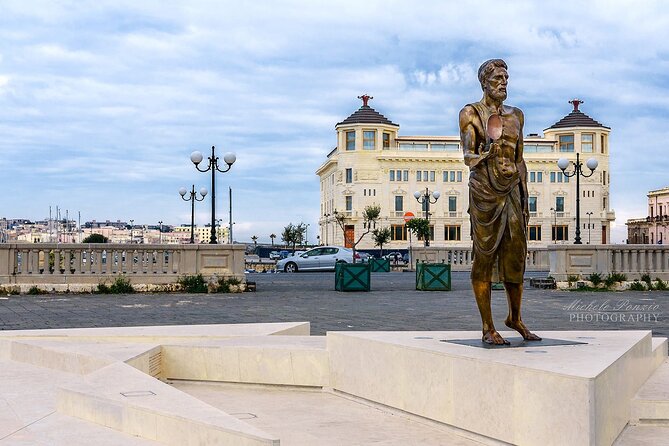
Reviewed · SYRACUSE & ORTIGIA TOURS
4 Hours Guided Tour to the Archaeological Park of Neapolis and Ortigia
Syracuse stacks thousands of years into a short day. This 4-hour guided experience takes you from the Parco Archeologico della Neapolis to the island of Ortigia, where you can keep walking on your own afterward. It is private for your group, and it runs in English.
I like the way the time is split. You get 90 minutes at Neapolis to see the Greek theater, the Roman amphitheater, the Ear of Dionysius, and the cave of the Cordari. Then you get another 90 minutes on Ortigia to focus on major landmarks like the Temple of Apollo, Piazza del Duomo, and Fonte Aretusa.
One thing to plan for: the big sights are partly extra cost. Neapolis entry is not included, the Cathedral ticket is separate, and transport between the park and Ortigia is not included either.
Key highlights you should care about
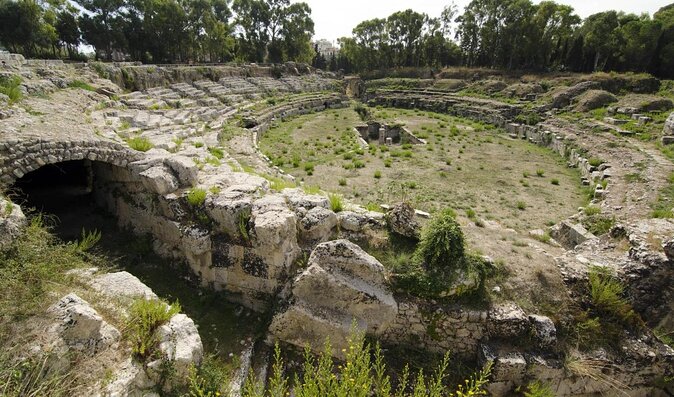
- Greek theater and Roman amphitheater in one guided pass through Neapolis
- Ear of Dionysius plus the cave of the Cordari for standouts beyond the obvious ruins
- Ortigia landmarks focused around Temple of Apollo, Piazza del Duomo, and Fonte Aretusa
- Private group setup for a more tailored pace, capped at up to 15 people
- English specialist guide praised for clarity and strong storytelling
- Mobile ticket convenience, with confirmation sent at booking time
How the 4-hour flow works, Neapolis first then Ortigia
This tour is designed for people who want a strong overview without getting lost in logistics. You start at the Neapolis Archaeological Park, in Siracusa, and the format keeps you moving: about half your time in the park, then about half on Ortigia.
What this means for you is simple. You are not trying to “solve” a museum and an island on your own in one day. Instead, a specialist guide gives you the map in your head first, so when you explore Ortigia afterward, you know what you are looking at.
The tour ends on Ortigia, which is helpful. You can stretch your legs, wander side streets, pop into viewpoints, and keep your own pace. Just note the tour does not bring you back for more time at Neapolis, since the walking continues independently on the island.
You can also read our reviews of more guided tours in Sicily


Parco Archeologico della Neapolis: Greek theater and Roman amphitheater
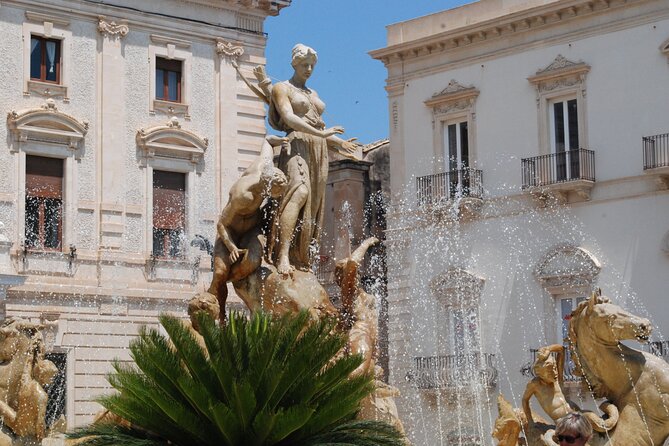
Neapolis is the part that feels like the origin story. You spend about 1 hour 30 minutes here, and the focus stays on high-impact spots rather than scattering your time across everything at once.
You will visit the Greek theater first. Even if you are not a “theater person,” it helps to see how Syracuse used space for public life. A guided explanation can turn rows of stone into a sense of scale, because you understand why people gathered there and what kind of stage you are standing beside.
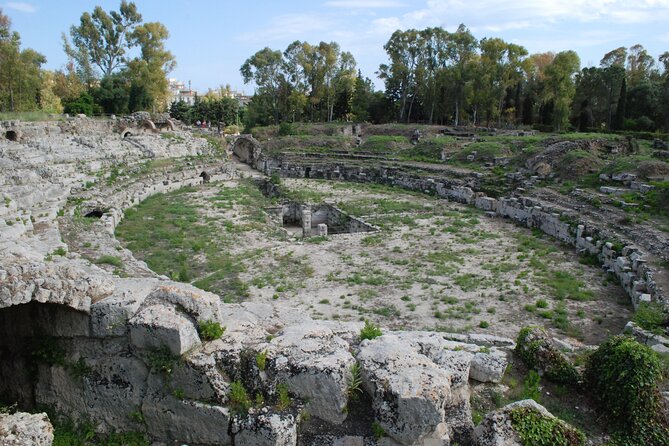
Next comes the Roman amphitheater. This contrast is one of the main values of doing Neapolis with a guide. You are not just collecting ruins. You are watching a timeline move in front of you, from Greek forms to Roman ones, and learning how the site is organized.
What to watch for at Neapolis
Neapolis is not just pretty ruins. It is a working archaeological park. So I recommend you do two things during this guided segment:
- Keep an eye on the guide’s directions about where to stand for a clear view.
- Take note of the names as you go, so the site feels connected when you are outside the tour.
Admission is separate, so you will also want to budget for that upfront. More on the money later, but it matters because it affects how smoothly the start feels.
The Ear of Dionysius and the Cordari cave: the moments that stick
After you have the big stages in place, the tour shifts gears to features that feel more unusual and memorable. These are the parts that tend to make the day feel more personal, because they go beyond standard “big monument” sightseeing.
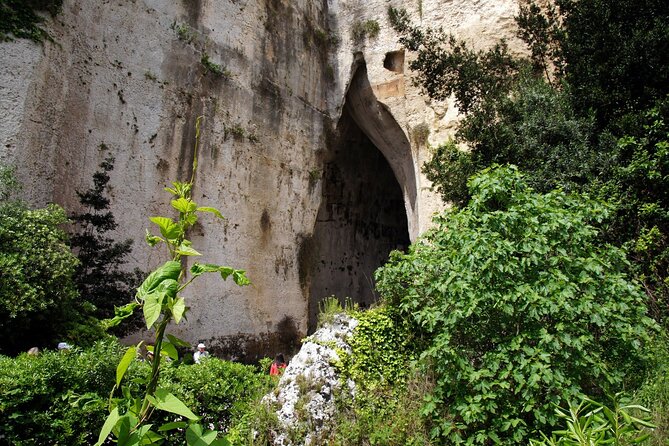
You will see the Ear of Dionysius and the cave of the Cordari. The names alone are a hint that these stops are built to catch your attention. A guide’s job here is to connect the name to the physical reality you are standing next to, so it does not become just another label.
I also like the pacing choice. By putting these stops after the theater and amphitheater, the day keeps a good rhythm: you get the broad overview first, then you get the standout details that give your photos and notes something specific to point to.
A practical tip for this section
Wear shoes you can trust. You will be walking and moving within the park, and you do not want sore feet to cut the experience short. If you care about photos, pay attention when the guide points out where the angle works best. One of the guide-style praises in recent tours is offering strong photo locations, so you should benefit from that.


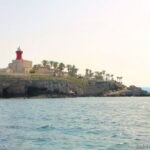
Ortigia highlights: Apollo, Piazza del Duomo, and Fonte Aretusa
Then you switch from ruins to city life. Ortigia is where Syracuse feels lived-in, and the tour uses about 1 hour 30 minutes to keep you oriented around the island’s most important monuments.
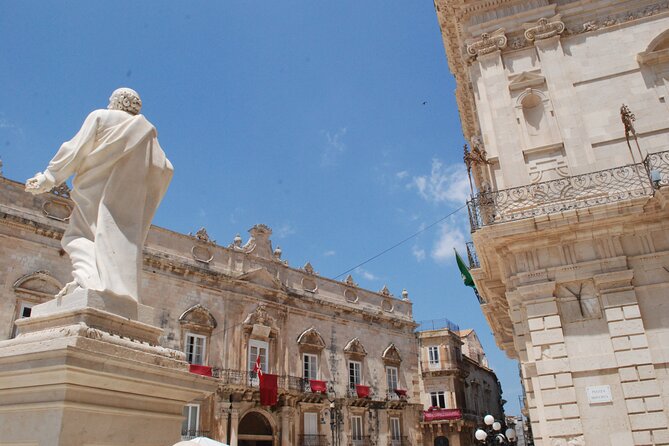
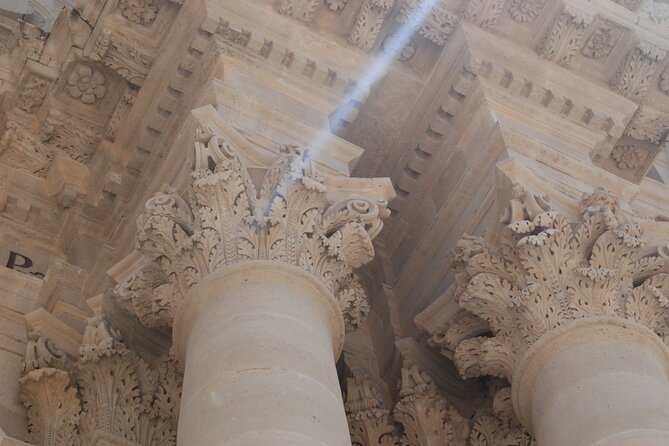
You will admire the Temple of Apollo and walk through key center-area landmarks like Piazza del Duomo. You will also see Fonte Aretusa, a name that stands out because it is tied to the island’s identity.
Why this stop sequence works is that it gives you a “triangle” of orientation. Temple area, main square, and a landmark fountain area. When you leave the tour, those anchors help you decide where to go next without feeling like you are wandering randomly.
Cathedral time and ticket planning
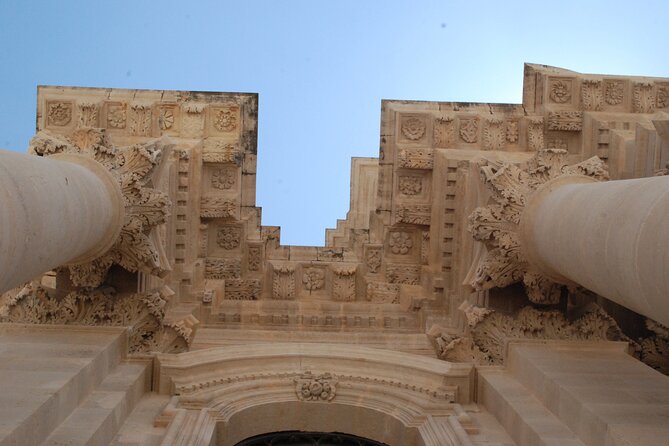
Part of the Ortigia focus includes the Cathedral area, and there is a separate Cathedral ticket cost you should plan for. Since that entry is not included in the tour price, you will want to be sure you are ready to pay the additional fee if you want the Cathedral included in your visit.
If you prefer to spend your money only where it matters most, you can also treat the rest of Ortigia like your independent bonus time after the tour ends. The guided portion still gives you the core monuments, so you are not stuck paying for everything.
Guide quality is the real difference, Silvia, Luca, Galina, and Valentina
In a tour like this, the guide is not an extra. It is the product. Good guidance turns a scatter of famous names into a clear story you can remember.
Recent guides attached to this kind of experience have earned specific praise:
- Silvia is singled out for clear, loud voice and excellent English, with detailed historical context delivered in a way that showed real pride in Sicily.
- Luca is praised for energy and personality, with a wide-ranging overview that suits people with limited time and also leaves you enough understanding for independent exploring.
- Galina stands out for a comfortable pace plus humor, along with detailed information and flexibility around the group’s interests and circumstances.
- Valentina is noted for inspiring storytelling that connects architecture and history, again in clear English.
You should expect an English specialist guide who is comfortable answering questions and pointing you toward photo-worthy viewpoints. If you like history but get bored by long speeches, this is the kind of tour that tries to keep it moving.
Price and value: what $414.02 per group gets you
Let’s talk money like adults. The price is $414.02 per group for up to 15 people, and it includes a guided tour with a specialist guide.
Here is the part people often misjudge: the headline price is not the full day cost. You still need to plan for key entrances:
- Neapolis Archaeological Park admission: €17.00 per person (not included)
- Cathedral ticket on Ortigia: €4.00 per person (not included)
Also, transportation between the park and Ortigia and back is not included. That means you need to plan your own short transfer time and cost.
Why it can still be good value
This tour can be a strong deal because you are buying three things at once:
- A guided overview that saves you time figuring out what to see
- Expert storytelling that helps you understand what each stop means
- A private group setup, meaning you are not squeezed into a big crowd vibe
For couples, families, and small groups, the per-person cost tends to feel reasonable once you spread the group price. And if you are only in Syracuse for a short time, it is often cheaper than paying for multiple separate tours and admissions while trying to stitch together the day yourself.
Timing, pace, and what to do with the extra hours
The full experience is about 4 hours. That is not “slow travel.” It is a focused introduction.
The tradeoff is that you are not meant to linger for long. The upside is that you leave with a clean mental map and enough momentum to keep exploring Ortigia on your own after the tour ends.
If you like structured sightseeing, you will probably find this comfortable. Multiple guide descriptions mention a comfortable pace, plus accommodations for external circumstances and the group’s interests. That suggests the guide is not just reciting facts on autopilot.
After the tour ends, keep it flexible
Because the tour finishes on Ortigia, your final plan is yours. You can wander toward the waterfront, return to the main monument area you liked most, or take a second lap through the streets while you still remember what the guide connected for you.
Just make sure your last stop does not rely on a tight schedule that depends on the tour guide. Your independence time is the point.
Should you book 4 Hours Guided Tour to Neapolis and Ortigia?
Book it if:
- You want a high-impact Syracuse overview without spending your whole day planning
- You care about seeing both Neapolis ruins and Ortigia landmarks in one go
- You like guided storytelling, especially when it comes with clear English and an engaging pace
- You can budget for extra site entries, including Neapolis €17 and the Cathedral €4
Skip it or reconsider if:
- You want everything bundled and paid for with no extra fees at the door
- You do not want to manage your own transfer between Neapolis and Ortigia
- You prefer unstructured roaming over a timed, stop-based experience
If you are staying in or near Siracusa for a short window, this is the kind of tour that helps you get your bearings fast, then rewards you with independent exploring where you choose what matters most.
FAQ
How long is the Neapolis and Ortigia tour?
The tour lasts about 4 hours.
Is the tour offered in English?
Yes, it is offered in English.
What is included in the tour price?
The price includes a guided tour and a specialist guide.
What entrance fees should I expect for Neapolis?
Neapolis Archaeological Park admission is not included and costs €17.00 per person.
Is the Cathedral on Ortigia included?
The Cathedral ticket is not included and costs €4.00 per person.
Do I need transportation between Neapolis and Ortigia?
Transportation from the Archaeological Park to the island of Ortigia and back is not included.
Where does the tour start and end?
You start at Neapolis Archaeological Park, Via Luigi Bernabò Brea 14, 96100 Siracusa SR, Italy. You end on the island of Ortigia, where you can continue walking independently.
Is this tour private, and how many people are in a group?
It is private, with only your group participating, and the group size is up to 15 people.
Can I cancel for a full refund?
Yes, you can cancel for a full refund if you cancel at least 24 hours before the experience’s start time.
More Guided Tours in Sicily

More Tours in Sicily


More Tour Reviews in Sicily
Not for you? Here's more nearby things to do in Sicily we have reviewed








Syracuse & Ortigia Tours, compared.
 ★ 4.7Syracuse: Boat Trip of Ortigia Island and Sea CavesFrom $23937 reviews
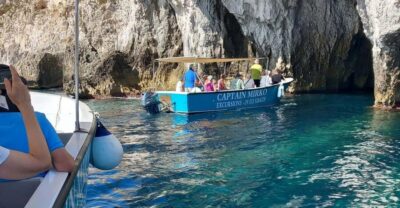 ★ 4.7Syracuse: Boat Tour with Captain Mirko, Snorkeling & CavesFrom $35746 reviews
 ★ 5.0Tour of the island of Ortigia and exploration of sea caves with baths.From $24668 reviews
 ★ 4.7Siracusa: Ortigia Boat Tour with Marine GrottoFrom $45617 reviews
 ★ 4.9Siracusa: Ortigia & Sea Caves Speedboat Tour with Swim StopFrom $34499 reviews
 ★ 5.0Boat tour of Ortigia Island and sea cavesFrom $24407 reviews
 ★ 4.6Catania: Syracuse, Ortigia, and Noto Tour with BrunchFrom $112404 reviews
 ★ 4.7Syracuse: Neapolis Archaeological Park Small Group TourFrom $26350 reviews
Browse the lists this tour appears in