
Reviewed · SYRACUSE & ORTIGIA TOURS
Greek Theater – Ortigia walking tour
A carved-in-stone theater can’t help but grab your attention. This small-group Ortigia walking tour pairs a deep look at the Greek Theater with a friendly stroll through local food markets and old churches.
What I like most is the way the art historian guide connects the site’s design to the stories people told there, not just random facts. I also like the pacing, you get a structured visit without feeling trapped in a museum box.
The second big win for me is logistics that actually work for a half-day. You get round-trip air-conditioned vehicle transfers from your Syracuse hotel or port, and the group size caps out at 10, so your questions do not get lost.
One possible drawback to flag early: the Greek Theater is sometimes used for concerts or festivals. If wooden seating coverings or stage gear are in place, the place can feel more like a venue than a perfectly preserved ancient landmark.
Key things to know before you go
- Art historian-led explanations that focus on how and why the theater worked, not just what it is
- Small group size (maximum 10 travelers), so it feels personal
- Ortigia walking time that mixes ancient remains with local markets and centuries-old churches
- Extra on-site fees for the Greek Theater and the Athena Temple area in Ortigia
- Occasional festival setup can change what the theater looks like during your visit
How the tour fits a half-day in Syracuse
This is a practical half-day outing, about 4 hours, designed for people who want big history without burning the whole morning or afternoon. The plan includes morning and evening options, so you can pick what matches your energy and your schedule on Ortigia.
You start in Syracuse, with pickup offered from your hotel or port by an air-conditioned vehicle. Once you’re with the guide, the day is structured around short, meaningful stops, with time to actually look at what you’re learning about. And because the tour is capped at 10 people, it tends to feel less like a stampede and more like a guided walk.
You can also read our reviews of more walking tours in Syracuse

Price and value, plus what costs extra
The listed price is $174.53 per person. Here’s the key detail: the price includes the guide fee, and some sites require separate tickets.
On-site costs to plan for:
- Greek Theater ticket: 10 euro per person (free entrance only under age 18)
- Athena Temple (in Ortigia): 2 euro per person (free entrance only under age 10)
Food is not included, and there’s no set lunch. So if you’re the type who likes to snack your way through markets, budget for drinks and something to eat as you go. For a half-day, that’s normal, but it matters for real trip math.
Value-wise, I think it’s strongest if you care about interpretation. You’re paying for a local guide plus an art historian guide, plus private transportation. If you only want the basic sightseeing and you’re comfortable reading on your own, you might question the price.
First stop at Sicily Nature Adventures, then to the Greek Theater
Your day begins at the Sicily Nature Adventures meeting point area in Syracuse. From there, the group heads to the Greek Theater site for your main ancient-world stop.
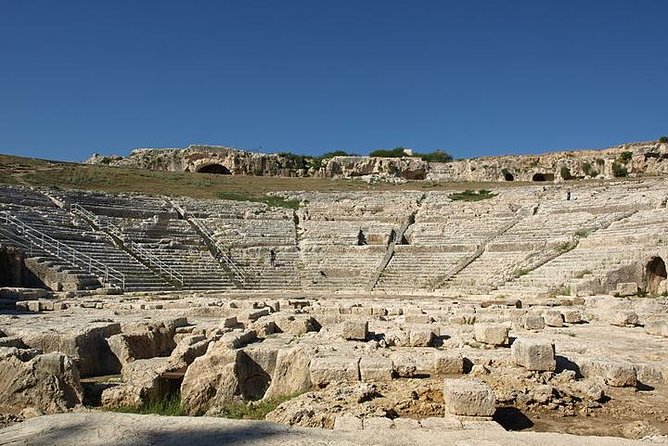
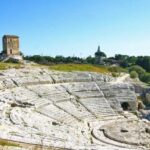
This is where the tour’s tone becomes clear: the guide is there to explain what you’re seeing, including the theater’s relationship to the rocky hillside where it’s carved into the landscape. You’re not just looking at stone rows. You’re getting a sense of how the setting shaped the experience.
Admission is extra (10 euro), so do not show up expecting it to be covered. It’s a simple add-on, but it’s still worth planning for so the visit stays smooth.
The Greek Theater experience, what you’ll see and what to watch for
The Greek Theater at Syracuse is famously dramatic because it’s cut directly out of the hillside. That matters because it affects sightlines, acoustics, and the overall “you are in the story” feeling.
The tour does a good job of making the architecture make sense. You’ll likely hear explanations that connect the theater structure to myth and cultural habits from the region, and you’ll get context that helps you picture how performances would have fit into daily life. One review highlighted how the explanations can work for different ages, which is a sign the guide is good at translating complexity into something you can follow.
Now for the reality check. This theater can become a concert venue. Multiple comments point to wooden bleachers covering seating, plus temporary staging elements like lights and speakers. That can significantly change the visual character of the ancient stone.
If the sight of exposed stone seating is part of your dream, build in flexibility:
- Consider asking the operator (or checking the venue status) about festival setup when you book.
- If you go anyway, shift your expectations. You can still learn a lot from the guide, you just might not get the perfectly bare, ancient look.
Ortigia after the theater, a walk through food markets and churches
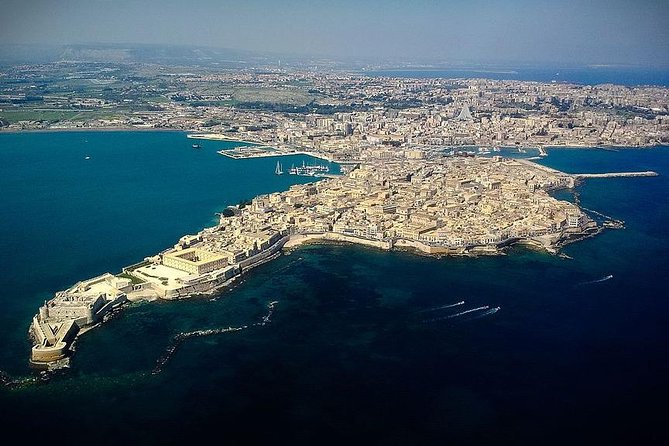
After the ancient stop, the tour turns toward Ortigia Island. This is the part I like most for balance: you’re moving from performance stonework to everyday Syracuse life.
Ortigia is where the tour leans local. You spend time around food markets, focusing on the kind of stops you can miss if you only follow the biggest tourist routes. This works well because you’re learning history while also seeing what people actually do now. Markets also help you understand a place through senses, the smells and everyday stalls make the day feel real rather than staged.
You also visit centuries-old churches. Even without specific names provided here, the value is clear: you get to compare ancient Greek settings with later Christian architecture in the same city footprint. It’s a way to see how Syracuse kept changing, yet kept reusing the same kind of “center of life” geography.

Athena Temple in Ortigia, a small extra that pays off
In Ortigia, there’s an additional ticket for the Athena Temple area: 2 euro per person. It’s free only for children under 10, so most adults should expect to add it.
This stop is worth thinking about because it bridges the day. You’ve already seen the Greek world in the theater, and the Athena Temple area keeps the theme going while you’re walking around Ortigia. Even if you’re not a hardcore archaeology fan, the guide’s context helps you see these remains as part of a living cultural layer, not just a photo backdrop.
Guides, group size, and why the explanation matters
The tour is led by a local guide plus a professional art historian guide. In practice, that combination tends to deliver two things: solid factual grounding and good storytelling. Reviews also hint at a teaching style that can work for young people, including myth and history explanations that are engaging rather than dry.
One name you might hear in this context is Carlo. A review credits him with keeping a group of school kids interested, which tells you something about the energy and clarity of the guiding approach.
Because the group is limited to 10 travelers, you can usually ask follow-up questions without feeling pushed aside. And because you’re transported privately, the schedule stays tight enough to keep you from losing time to logistics.
What to pack and how to time your day
You’re going to a real archaeological site plus a walking portion on Ortigia. Plan for:
- Comfortable shoes, because ancient sites and historic streets both have uneven footing
- A light layer, even in good weather, since theaters and open areas can feel cooler in the shade
- Water, especially if you plan to snack in markets
- A simple plan for food, since lunch and drinks are not included
If you’re choosing between morning and evening tours, pick based on your priorities. Morning can help you feel more alert for the Greek Theater visit. Evening can be a nicer mood for Ortigia walking. The tour offers both options, so you have control.
Who this tour is best for
I think this tour is a great fit if:
- You want a guided art-and-architecture explanation rather than a self-guided checklist
- You like a mix of ancient ruins plus local market time
- You prefer small groups and pickup convenience
- You’re okay paying extra for site tickets and then handling your own food
It may be less ideal if:
- You strongly want the Greek Theater to look untouched and fully exposed
- You hate any chance of concert-style setup, since wooden coverings and stage elements can affect the view
- You’re hoping for a long, food-only market crawl or a sit-down lunch included in the price
Booking decision: should you go?
Book this tour if you want the best version of Syracuse in one half-day: a guided look at a major ancient theater plus Ortigia’s food-market and church atmosphere. The small group size and guide setup are what make it feel worth it, especially with the art historian leading the story.
I would book with open eyes about the Greek Theater. If you go during a festival period, the venue may look more like a concert space than a pristine ancient monument. Still, you can often get plenty out of the explanations, and the Ortigia walking portion helps the day feel balanced.
If your top priority is the purest ancient look, do a little extra checking before you commit. If your priority is the learning plus the Ortigia experience, this is an easy yes.
FAQ
What is the duration of the Greek Theater – Ortigia walking tour?
The tour lasts about 4 hours.
Is hotel pickup and drop-off included?
Yes. The tour includes hotel pick up and drop off, plus private transportation and an air-conditioned vehicle.
Does the tour price include Greek Theater admission?
No. The Greek Theater ticket costs an additional 10 euro per person and is not included in the tour price.
Is the Athena Temple ticket included for Ortigia?
No. There is an additional charge of 2 euro per person for the Athena Temple area in Ortigia.
Is a mobile ticket used?
Yes, the tour includes a mobile ticket.
How large is the group?
The tour has a maximum of 10 travelers.
Is there free cancellation, and how far in advance do I need to cancel?
Yes, free cancellation is available. You can cancel up to 24 hours in advance of the experience start time for a full refund.
More Walking Tours in Syracuse



More Tours in Syracuse
More Tour Reviews in Syracuse
Not for you? Here's more nearby things to do in Syracuse we have reviewed







Syracuse & Ortigia Tours, compared.
 ★ 4.7Syracuse: Boat Trip of Ortigia Island and Sea CavesFrom $23937 reviews
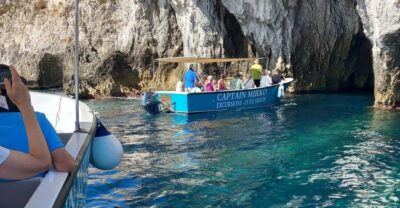 ★ 4.7Syracuse: Boat Tour with Captain Mirko, Snorkeling & CavesFrom $35746 reviews
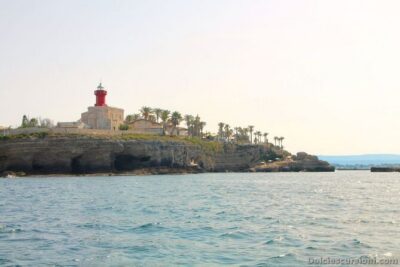 ★ 5.0Tour of the island of Ortigia and exploration of sea caves with baths.From $24668 reviews
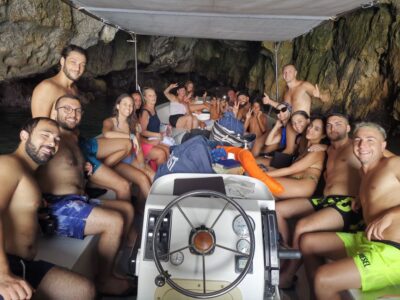 ★ 4.7Siracusa: Ortigia Boat Tour with Marine GrottoFrom $45617 reviews
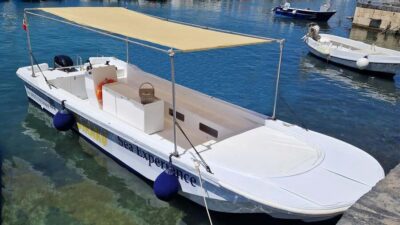 ★ 4.9Siracusa: Ortigia & Sea Caves Speedboat Tour with Swim StopFrom $34499 reviews
 ★ 5.0Boat tour of Ortigia Island and sea cavesFrom $24407 reviews
 ★ 4.6Catania: Syracuse, Ortigia, and Noto Tour with BrunchFrom $112404 reviews
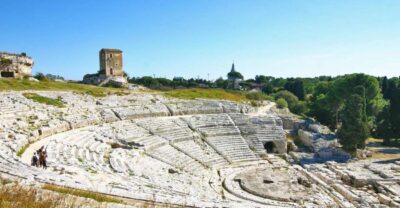 ★ 4.7Syracuse: Neapolis Archaeological Park Small Group TourFrom $26350 reviews
Browse the lists this tour appears in