
Reviewed · SYRACUSE & ORTIGIA TOURS
Guided tour of the Greek Theater and the Neapolis of Syracuse
Syracuse rewards you early. This guided walk through the Parco Archeologico della Neapolis turns the area into a story, with a guide explaining both history and the myths tied to the site. You’ll also get time at the Greek Theater of Syracuse and the famous Ear of Dionysus area, plus the Latomie and Cordari Cave.
I love that the tour is built for a smart pace, about 2 hours, with the admission ticket included so you are not doing extra ticket errands. I also like the group size, capped at 25, which makes it easier to hear your guide and ask questions without feeling squeezed.
One thing to consider is the terrain. There is some up and down walking, and a good chunk of the visit is outdoors, so wear solid shoes and plan for sun and heat.
Key highlights to look for
- Small-group format (max 25) that helps you hear the guide and move at a human pace
- 9:00 am timing that helps you beat both heat and crowds
- Neapolis Archaeological Park included with your entry handled for you
- The Greek Theater plus signature stops like the Ear of Dionysus, Latomie, and Cordari Cave
- A guide who connects site details to myths and history, including guides like Rita who are noted for deep, well-paced explanations
A 9:00 am start that makes Syracuse feel manageable
This is the kind of morning tour that actually works in Sicily. Starting at 9:00 am means you are out before the day gets heavy with heat, and you are less likely to feel lost in a crush of people. The park is partly outdoors, so the timing matters more here than on a purely indoor tour.
Also, you will be walking, and mornings help your legs. Even if you are a casual walker, you will likely appreciate having the hardest part before the ground turns slippery with fatigue.
If you can, show up with the mindset of a short adventure. This is not a sit-down lecture. It is a guided route through one of Syracuse’s biggest archaeological zones, with stops that are spread out enough to make the guide’s storytelling useful.
You can also read our reviews of more guided tours in Sicily

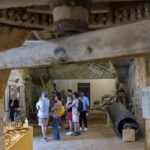
Getting started at Parco Archeologico della Neapolis (and why the meeting spot helps)
You meet at the ticket office on Via Luigi Bernabò Brea, 96100 Siracusa SR. The start time is 9:00 am, and they ask you to arrive about 20 minutes early. That early buffer is not wasted. It gives you time to get organized, meet your group, and settle in before you start walking.
You also get an important heads-up for planning: the tour ends back at the meeting point. That keeps things simple. You do not have to worry about transfers across town right after the tour.
The tour uses a mobile ticket, and it is offered in English. You might hear Italian too since it can run simultaneously in both languages, so pay attention when your guide speaks. In practice, that kind of setup usually means you are not stuck waiting around for translation at each stop. You stay moving.
Finally, the group limit is 25 travelers. That is large enough to have energy, but small enough that the guide can still talk like a person, not like a radio announcement.
First big stop: the Neapolis Archaeological Park and the Greek Theater
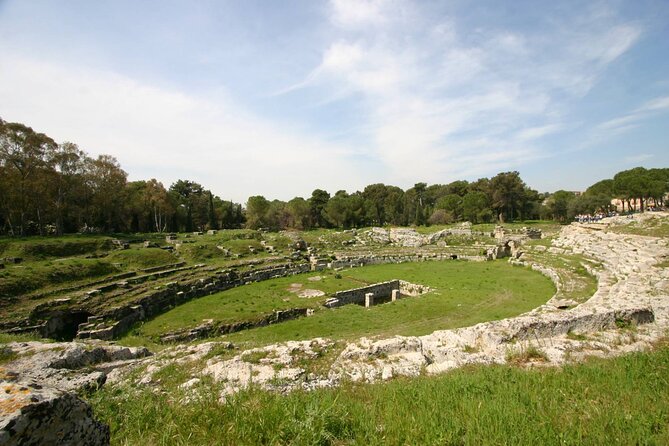
Your main base for the morning is the Parco Archeologico della Neapolis, one of the most important centers of the ancient Mediterranean and the polis of Syracuse founded in the eighth century BC. That date gives you context fast: you are not touring a random scattering of ruins. You are walking through a place with long continuity, and the guide helps you connect the dots.
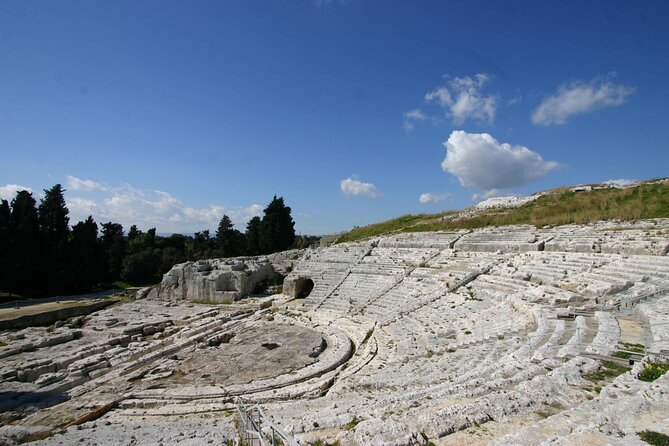
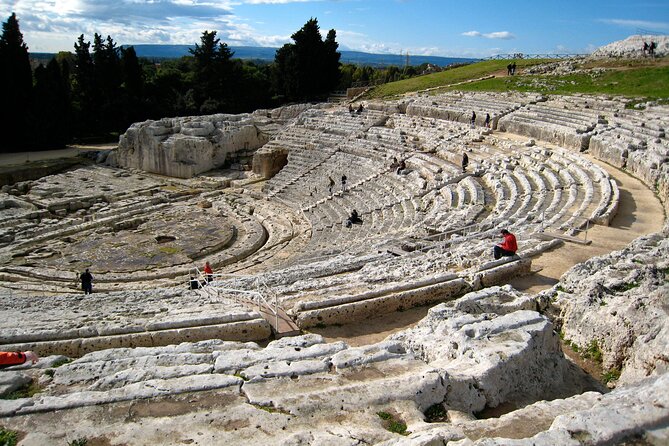
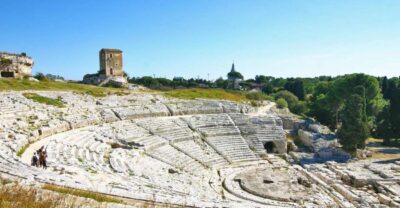
The first major highlight is one of the largest Greek theaters in the Mediterranean. Even if you do not know Roman versus Greek details, you can feel what a theater meant in a city like Syracuse. It was public life, storytelling, politics, and spectacle, all tied together in one physical setting.
What I like about this stop is the way the guide frames the space. Instead of treating the theater as just a photo spot, you get explanations tied to the history and myths associated with Neapolis. That turns your visit from looking at stone to understanding why people built it here.
What to watch for while you’re there:
- Use the guide’s early explanations as your “map in your head.” Once you have the basics, the later stops land better.
- If you want great photos, think about where you want your sun and shadows. Morning is your friend, but light still changes quickly.
The only realistic drawback at this stop
Even with a guided route, you should be ready for walking on uneven ground. Your pace depends on how the group moves and how long your guide stays at each viewpoint.
The Ear of Dionysus: where myths make the stones more interesting
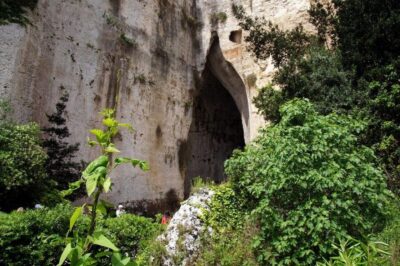
Next comes the Ear of Dionysus. It is one of those names that sounds like a legend even before a guide explains it. This tour specifically points you here as a major signature stop, and the guide brings the myths and historical background into the picture.
The value of this stop is not just that the site is famous. It is that a good guide helps you understand why it became famous. You are learning the story people attached to the place, and that makes it more than a landmark.
If you are the type who likes to know what you are looking at, you will get a payoff here. You will likely hear comparisons, themes, and explanations that connect the Ear of Dionysus with the broader Neapolis setting.
Simple tip:
Listen closely in the first minutes around this stop. That is usually when the guide gives the “key” to interpreting what you see next.



Latomie and Cordari Cave: the behind-the-scenes side of Neapolis
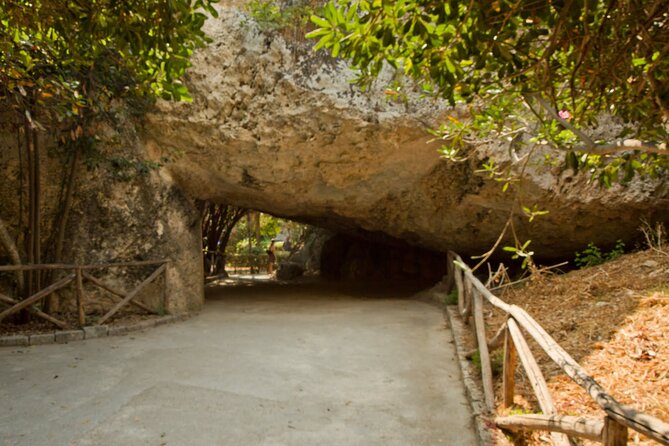
After the theater and the Ear of Dionysus, you move through the Latomie and Cordari Cave areas. These stops add variety to the morning because they feel less like a single stage and more like a different kind of space within the larger ancient zone.
What I like about including these two areas is that they expand your understanding of Syracuse beyond what most people picture. You get a sense that Neapolis was not only about monuments you can name instantly. It was also about spaces with texture, depth, and stories that unfold as you walk through them with a guide.
You should expect a bit more physical effort here than you might think from a “2-hour tour.” Even if it is not intense, there are moments that feel more like moving through an archaeological landscape than strolling a museum floor.
A realistic consideration
One of the review themes was up and down walking. I would plan for that. If you have knee issues or you hate uneven ground, this might be more tiring than you want for a short tour.
How the guide turns Neapolis into a story (not a checklist)
This tour lives or dies by the guide, and the reviews are clear about what matters. People highlight guides who explain with depth, clarity, and a sense of pacing. One name that stands out is Rita, mentioned for having extraordinary knowledge and offering explanations that cover the long and varied history of Siracusa, starting from the earliest Greek period.
That kind of guiding does two useful things for you:
- It helps you connect stops into a single narrative
You do not just jump from theater to cave to quarry-like spaces. You understand the “why” behind how these areas fit together.
- It saves you from overthinking what you are seeing
Archaeology can be overwhelming when you are reading signs on your own. A guide gives you the thread to follow, so you are not spending the whole time trying to figure out what the stones are trying to say.
What I recommend you do during the tour:
Ask one question you genuinely care about, even a simple one like what myth the stop is tied to. With a group capped at 25, you are more likely to get a real answer rather than a rushed one.
Pace, walking, and what to wear for a 2-hour morning
Duration is about 2 hours. That sounds short, but a guided archaeological walk is different from sightseeing in town. You will be stopping, looking, and walking between stops in an outdoor setting.
So plan your body for a “steady but not flat” outing:
- Wear closed-toe shoes with grip
- Bring water (especially if you are sensitive to heat)
- Use sun protection, because parts of the route are exposed
Heat was specifically called out as a factor, even with the morning start. That is why 9:00 am is such a big deal. Going as early as possible keeps the heat more manageable, and it also tends to mean fewer people in your way.
Also note the tour says most travelers can participate. That does not mean it is a fully accessible stroll. It means the route is manageable for typical visitors who can handle some uneven walking and mild climbing.
Price and value: $51.66 for a guided ticketed archaeological route
The price is $51.66 per person for about 2 hours. For a guided tour at a major archaeological park, this is best judged by what you do not have to do yourself.
You get:
- A guided visit to the Neapolis Archaeological Park
- An entrance ticket to the park included in your tour
That matters because it reduces friction. Instead of planning entry timing and figuring out where to validate tickets, your guide handles the park access ticket for you at the meeting point.
In terms of value, you are paying for three things:
- Expert guidance so the sites make sense
- Time efficiency, since the route is already organized
- The included admission cost
If you only want photos, you might not need a guide. But if you want context, this is a good way to get more meaning per hour.
Who this tour is best for (and who should skip it)
This tour works well if you:
- Want a guided, organized route through Neapolis rather than wandering
- Like myths and historical explanations tied directly to the places you see
- Prefer a morning start for better comfort and easier movement
- Enjoy small-to-medium groups
It might be less ideal if you:
- Have trouble with stairs, uneven ground, or frequent walking
- Want a fully relaxed pace with minimal moving
- Dislike outdoor sightseeing even in the morning
Also, if you want a deep research trip, a 2-hour format might feel brief. But for many visitors, it is exactly the right length to cover major highlights without burning the whole day.
Should you book this Greek Theater and Neapolis guided tour?
I think it is a strong choice if you are in Syracuse for a short window and you want the core Neapolis sights handled in one smooth loop. The 9:00 am start is a practical win, and the small group size helps the experience stay personal.
Book it if you want your visit to the Greek Theater, Ear of Dionysus, Latomie, and Cordari Cave to come with real explanations, not just names. It is also a good pick for first-timers who need orientation fast.
Skip it if walking on uneven ground sounds like your worst day, or if you are looking for a totally flat, low-effort experience.
If you do book, I’d come prepared for a warm morning and plan on listening for the story thread your guide gives you. That is where the tour turns from sightseeing into something you remember.
FAQ
How long is the guided tour of the Greek Theater and Neapolis?
It runs for approximately 2 hours.
What time does the tour start, and where do I meet?
The tour starts at 9:00 am. You meet at the Ticket Office on Via Luigi Bernabò Brea, 96100 Siracusa SR, Italy.
Is the tour offered in English?
Yes. It is offered in English. The tour could be carried out simultaneously in Italian and English.
What is included in the price?
The guided visit to the Neapolis Archaeological Park and an entrance ticket to the Neapolis Archaeological Park are included.
Is there a limit on group size?
Yes. The tour has a maximum of 25 travelers.
What happens if the weather is bad or I need to cancel?
The tour requires good weather. If canceled due to poor weather, you will be offered a different date or a full refund. You can cancel for free up to 24 hours in advance for a full refund.
More Guided Tours in Sicily


More Tours in Sicily


More Tour Reviews in Sicily
Not for you? Here's more nearby things to do in Sicily we have reviewed








Syracuse & Ortigia Tours, compared.
 ★ 4.7Syracuse: Boat Trip of Ortigia Island and Sea CavesFrom $23937 reviews
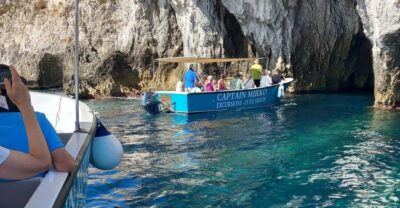 ★ 4.7Syracuse: Boat Tour with Captain Mirko, Snorkeling & CavesFrom $35746 reviews
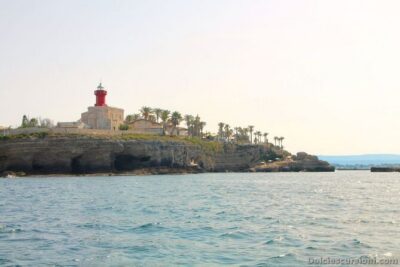 ★ 5.0Tour of the island of Ortigia and exploration of sea caves with baths.From $24668 reviews
 ★ 4.7Siracusa: Ortigia Boat Tour with Marine GrottoFrom $45617 reviews
 ★ 4.9Siracusa: Ortigia & Sea Caves Speedboat Tour with Swim StopFrom $34499 reviews
 ★ 5.0Boat tour of Ortigia Island and sea cavesFrom $24407 reviews
 ★ 4.6Catania: Syracuse, Ortigia, and Noto Tour with BrunchFrom $112404 reviews
 ★ 4.7Syracuse: Neapolis Archaeological Park Small Group TourFrom $26350 reviews
Browse the lists this tour appears in