
Reviewed · SICILY COOKING & PASTA CLASSES
Sicilian Cooking Class : Homemade Pasta
Making pasta by hand feels like time travel. In Palermo, Mamma Corleone turns a 3.5-hour class into a practical lesson in Sicilian cooking with a family feel and serious hands-on time.
I love that you choose between lunch or dinner, so you can fit it into your day without forcing a complicated schedule. You’ll also learn what makes dishes like Alla Norma taste the way they do, taught by Chef Maria, with English help from team members like Lorenzo or Riham depending on the session.
One watch-out is the meeting point. Vicolo Carini, 8 is in the old town and can be tricky to locate if you’re coming from a cruise, so it helps to sort out your local transport before you go in.
Key things to know before you cook in Palermo
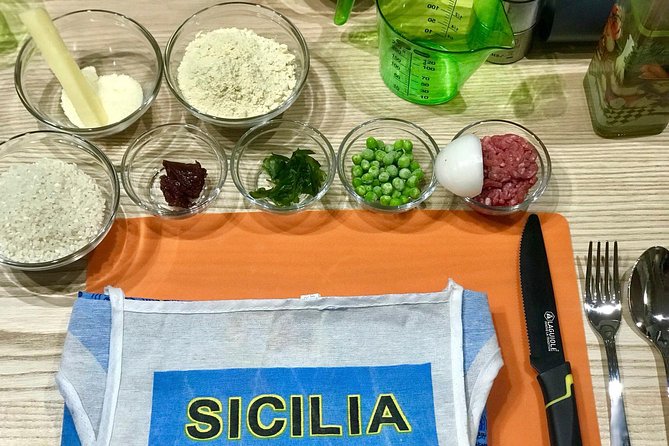
- Small-group energy: the kitchen experience is limited to up to six people, with the overall activity capped at twelve.
- Real menu, not a demo: you’ll make multiple pasta-centered dishes plus dessert.
- Classic Sicilian flavors: expect Alla Norma, meatballs with tomato sauce, and almond biscuits.
- You pick the meal slot: lunch or dinner class options let you plan around other sights.
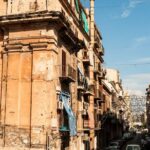
- Central old-town location: close to Palermo Cathedral, but narrow streets mean you should plan for easy wayfinding.
A small-group Sicilian cooking class in Palermo’s old town
If you only plan to eat in Palermo, you’ll miss a chance to understand the food. A homemade pasta class is different. It’s not about watching. It’s about doing, tasting, and learning the small moves that make Sicilian cooking feel simple but never bland.
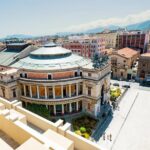
Mamma Corleone runs this as a family business with a clear mission: share Sicilian food knowledge with other cooking lovers. The kitchen is in the heart of Palermo’s old town, very close to the Cathedral, which matters more than you’d think. You get that authentic setting right away, and it’s easier to connect the class to your walking day through the historic center.
The class is about 3 hours 30 minutes long, and it works best when you treat it like a meal with instruction, not like a quick souvenir activity. You’ll be making pasta from scratch and cooking enough food to eat well.
You can also read our reviews of more cooking classes in Palermo
Meet Chef Maria and the translation team
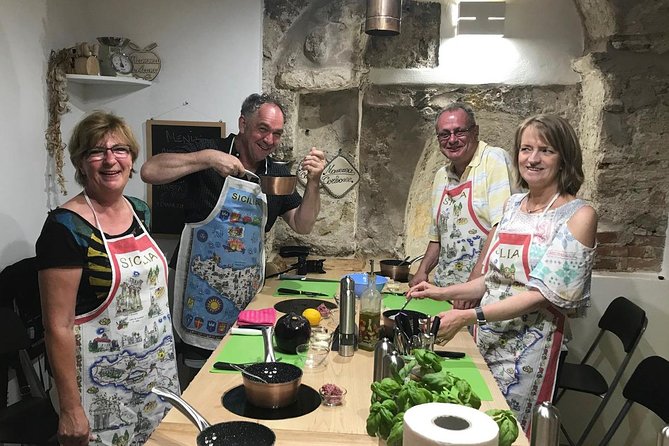
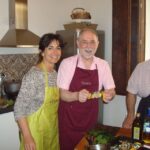
This is one of those experiences where the vibe is part of the value. The cooking is taught by Chef Maria, and you may also spend time with other team members who help run the room and translate. In different sessions, names like Lorenzo, Riham, Sebastian, Karim, and Theresa show up as part of the teaching and English support.
What you should look for is how the team keeps things friendly and approachable. Multiple passes through the same teaching points show up in the overall feedback, especially around hands-on steps and getting everyone comfortable, even when you’re learning something new. If you’re worried you’ll be the only one who can’t fold dough properly, the structure is built to help you catch up.
And yes, language support is part of the package. English is offered, and the presence of an interpreter in the class is a big reason the experience works well for non-Italian speakers.
What you’ll cook: Alla Norma, meatballs, and almond biscuits
The sample menu is built around Sicilian comfort food with clear identity. You’re not just making one pasta shape and calling it a day.
Here’s the heart of what’s on the menu:
- Homemade Pasta: Alla Norma style
- Meatballs with tomato sauce
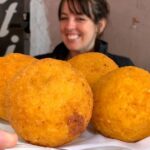
- Almond biscuits: a classic Sicilian dessert
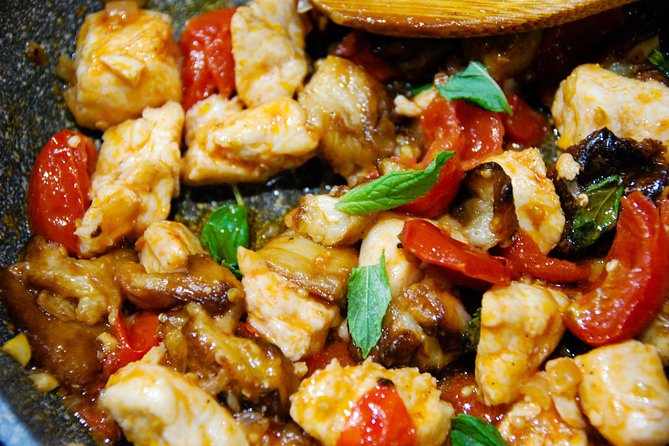
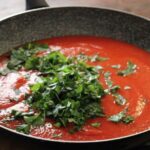
Alla Norma is one of those dishes people recognize once they taste it. It’s famous for its tomato base, the eggplant element, and a flavor profile that feels distinctly Southern Italian. Even if you can’t name every ingredient, you’ll learn how to build the sauce and how the pasta should interact with it.
The meatballs step matters too. Pasta classes can sometimes focus only on dough and sauce. Here, you also get the skills behind meatballs with tomato sauce, which is the kind of home-cooking technique that travels well when you want to recreate the meal later.
Dessert is almond biscuits, the classical Sicilian direction. You get a sweet ending that fits the meal and reinforces the idea that this is a full Sicilian food experience, not just a cooking demo.
From dough to pasta: the hands-on part that actually sticks
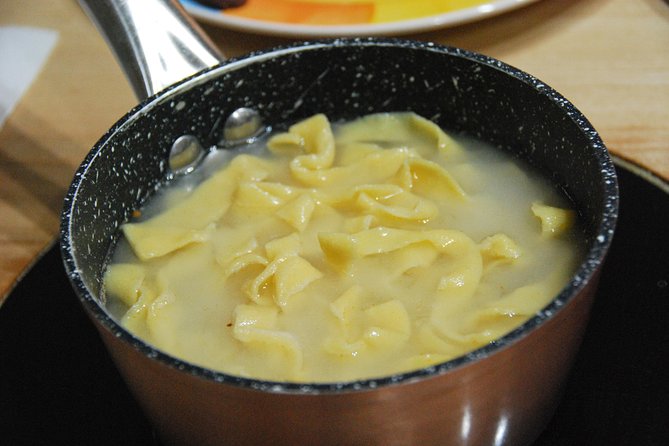
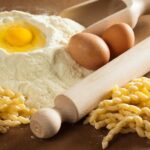
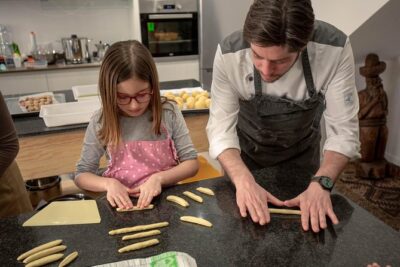
The main draw here is simple: you learn how homemade pasta is made by hand. That means you get practice with things like texture, handling, and timing, not just a lecture.
In classes like this, the biggest unlock is how dough behaves. You’ll usually notice that pasta dough is less about complicated tools and more about feel. You learn when it’s ready, how to work it without fighting it, and how to keep the process moving so the rest of the meal can come together.
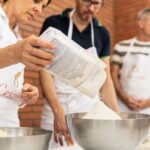
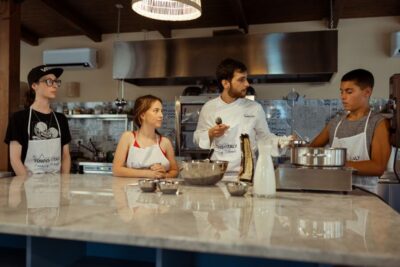
The hands-on pace is also why this class is so often described as fun. You’re doing real work, but the group size keeps it from getting chaotic. With a maximum of six people in the kitchen experience, you can ask questions and still keep the workflow moving.
If you like the idea of eating well and learning one repeatable recipe at the same time, this is exactly that. You’ll leave with muscle memory you can bring home.
Cooking the sauce: why Sicilian technique matters
Pasta dough is only half the story. The other half is what you put on it. For Alla Norma, the key is building a sauce that tastes coherent, not just tomato-forward. You learn how the components work together, and you get a feel for what the sauce should taste like as it comes together.
This is where the Chef’s guidance earns its keep. The teaching is tied to practical steps, so you’re not stuck guessing later. You learn how to adjust and how to think through the cooking, which helps if you want to make the dish again outside Italy.
The meatball portion also teaches a different skill set. Meatballs are forgiving until they’re not. Texture, seasoning, and cooking time all matter, and this class gives you a chance to practice under guidance rather than hoping for the best at home.
More Sicily island tours, Etna days, coastal boat trips, and food experiences to compare
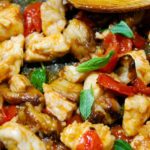
Eat what you make: lunch or dinner, plus a real dessert finish
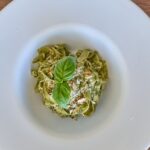
One of the most practical parts of this experience is that you don’t just snack. You eat what you cook. The entire class is designed so your effort becomes the meal.
Choosing lunch or dinner is helpful because Palermo daytime and evening plans are different. If you want a calmer afternoon before more walking, pick lunch. If you want a sturdier dinner without spending extra time hunting for a good table, pick dinner.
The group meals also create a comfortable rhythm. You cook, you taste, you adjust, then you sit down and enjoy. It’s a nice break from the usual sightseeing flow where you’re always checking your watch.
Then dessert shows up in the right Sicilian style: almond biscuits, the classical option that fits the rest of the menu. It’s sweet, satisfying, and not so heavy that you feel stuck afterward.
Where to go: Vicolo Carini 8 near Palermo Cathedral
The meeting point is: Mamma Corleone, Vicolo Carini 8, 90134 Palermo. The location is in the old town, very close to the Cathedral.
This central positioning is a plus, especially if you want to combine the class with a walk through the historic area. It’s also one reason people call it a highlight in their Palermo trip.
But do not underestimate wayfinding. The streets around the old center can be confusing, and if you’re coming from a cruise ship, you may find yourself scrambling. One clear tip from real-world experience: nail down local transportation before you leave the ship. You’ll arrive less stressed, and you’ll enjoy the class more.
If you’re walking over, give yourself a little extra time to find the exact doorway. Once you locate it, the rest is straightforward.
Group size and what that means for your learning
This class is set up for small-group learning. The overall activity has a maximum of twelve travelers, but the experience you cook in is described as intimate with a maximum of six people. That matters.
With six people in the kitchen, you’re less likely to be stuck waiting. You’re more likely to get hands-on attention. You can see what your instructor is doing and then try it yourself right away.
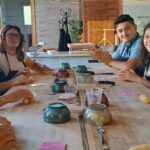
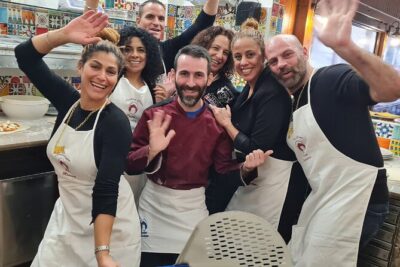
It also makes the class feel more human. People talk, joke, and share tips. Several excellent reviews mention the team making participants feel like family, with translation that doesn’t slow things down.
If you’re traveling with friends, this can still work. If you’re traveling solo, it’s also a good fit because the format helps you connect without forcing small talk.
Price and value: what $182.23 buys you
At $182.23 per person, it’s not a cheap add-on. But it also isn’t just paying for ingredients. You’re paying for instruction, guidance, and a structured meal experience in a real local kitchen.
Think of it this way:
- You get 3.5 hours of active cooking, not a short tasting.
- You learn techniques for homemade pasta, plus another savory component (meatballs).
- You eat what you make, including dessert.
- You get English support, which increases the value if you want to actually understand the process.
When you compare this to the cost of a restaurant meal plus the time cost of arranging a cooking activity yourself, the price starts to make more sense. And given the consistently high feedback and 100% recommendation rate, the experience appears to deliver what it promises: a fun, educational, food-focused class that leaves you feeling fed and informed.
Who should book this class, and who might skip it
This is a great fit if you want to bring a piece of Palermo home. You like hands-on activities more than watching, and you’re curious about how Sicilian dishes are built. You’ll enjoy the experience most if you see value in learning technique and not only collecting photos.
It also suits couples and families, based on the tone of the feedback. One review noted the team accommodated a child’s food allergies, which suggests the class can respond to at least some dietary needs with advance communication. If allergies are a concern for you, contact the provider when you book and be very clear.
You might consider skipping if you want a low-energy activity. This class is cooking. You’ll be working with dough and food for a few hours, and you’ll likely want to go in with a good appetite.
Practical tips to make your class smoother
A few smart choices can help you enjoy the experience more:
- Arrive early enough to locate the entrance. Old-town streets can be slow on the first try.
- Choose lunch or dinner based on your energy. Cooking 3.5 hours is easier when you are not rushing right afterward.
- Go hungry. Multiple descriptions mention you’ll make a lot of food and eat plenty.
- Ask questions about the steps you struggle with. In a small group, this is exactly what the teaching time is for.
- If you have dietary needs, tell them in advance. The team has shown flexibility with allergies.
Should you book the Mamma Corleone homemade pasta class?
I’d book it if your Palermo plan includes great food, and you want a learning experience with a meal at the center. The menu is classic and satisfying, the group size is small enough to actually get help, and the teaching team, especially Chef Maria, clearly keeps the tone warm and practical. If you’re short on time, the 3.5-hour length is a manageable chunk, and being near the Cathedral makes it easy to fit into a walking day.
I’d think twice only if you know you struggle with finding small old-town locations or if you want a very passive activity. Otherwise, this is one of the most value-heavy food experiences you can do in Palermo, because you leave with both a full stomach and a real skill.
FAQ
How long is the Sicilian Cooking Class, Homemade Pasta?
It runs for about 3 hours 30 minutes.
Where does the class meet in Palermo?
The meeting point is Mamma Corleone, Vicolo Carini, 8, 90134 Palermo, Italy, and the activity ends back at the meeting point.
What meal options are available?
You can choose between a lunch or dinner cooking class.
What dishes are included in the menu?
The class includes homemade pasta (Alla Norma style), meatballs with tomato sauce, and almond biscuits as dessert.
Is the class offered in English?
Yes. The experience is offered in English, and you may have an English translator depending on the session.
Is there free cancellation?
Yes, free cancellation is available. You can cancel up to 24 hours in advance for a full refund.
More Workshops & Classes in Palermo
More Cooking Classes in Palermo
More Tour Reviews in Palermo
Not for you? Here's more nearby things to do in Palermo we have reviewed

Sicily Cooking & Pasta Classes, compared.
 ★ 4.9Palermo: Pizza and Gelato Cooking Class with Dinner and WineFrom $71951 reviews
 ★ 5.0Seaview Cooking Class & Taormina local flavors with Chef MimmoFrom $157665 reviews
 ★ 5.0COOKING CLASS in Taormina at Chef Massimo HOUSE!!From $185543 reviews
 ★ 5.0Palermo’s Delight: Unleash the Secrets of Pizza and Gelato MakingFrom $60497 reviews
 ★ 4.8Taormina: Half-Day Pizza Making ClassFrom $88353 reviews
 ★ 5.0Sicilian Cooking ClassFrom $118289 reviews
 ★ 5.0Pizza Cooking ClassFrom $90225 reviews
 ★ 4.9Taormina: Cannolo Cooking Class with Completion CertificateFrom $77212 reviews
Browse the lists this tour appears in